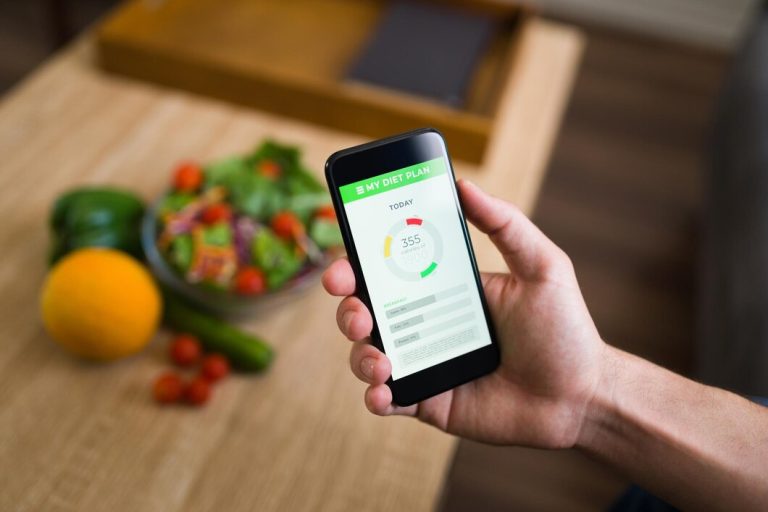
In aerospace, engineering, and manufacturing, a “digital twin” is a virtual replica of a physical system—an airplane engine or a factory floor—used to test changes without risking the real object. This revolutionary concept is now being applied to the most complex system of all: the human body. Digital twin nutrition is the cutting edge of personalized medicine, creating a virtual metabolic model of you—a living, breathing (but digital) replica of your unique genetic, cellular, and organ function. This allows for safe, rapid personalized nutrition simulation, letting you test diets, supplements, and exercise routines in the virtual world before committing your real body to the experiment, minimizing risk and maximizing certainty.
How Do Digital Twins Work in Personalized Nutrition?
A digital twin is an advanced AI model built using every available data point about your biology, effectively creating a personalized health simulation.
The Multi-Layered Data Input:
- Genomic Layer (The Blueprint): Your static DNA and inherited predispositions.
- Omics Layer (The Status): Your current metabolic status (blood lipids, inflammation) and gut microbiome composition.
- Dynamic Layer (The Context): Real-time data feeds from wearables, CGM, and manual logging (sleep, stress, activity).
The metabolic modeling AI integrates these layers using deep learning, creating a mathematical, dynamic representation of your unique biochemistry, capable of responding to inputs exactly as your real body would. The digital twin health system then acts as your personal, risk-free laboratory.
Simulating Diet Changes with Digital Twins (OREO Framework)
O (Opinion): Trial-and-error dieting is obsolete; the digital twin allows us to replace dangerous guesswork with instant, quantifiable simulation.
R (Reason): This is true because human biology is characterized by complex, non-linear cascades of effects. Testing a new diet in the real world (e.g., trying a high-fat keto diet) takes months, and the negative consequences (e.g., elevated inflammatory markers, gut dysbiosis) can be slow to reverse. The virtual metabolic model, however, can simulate the cascade of hormonal and enzymatic changes in seconds, predicting the long-term, subtle outcomes that would be missed by simple human observation or standard blood tests.
E (Example): You are considering a radical dietary shift to a high-fat, high-saturated-fat plan. You enter this meal plan into your digital twin nutrition platform. The personalized nutrition simulation runs and predicts that while you will lose weight quickly (a positive outcome), the simulation shows a predicted spike in your specific inflammatory markers (hs-CRP and ApoB) in six months due to your unique APOE genetic variant. The metabolic modeling AI instantly provides a modified, safer recommendation: The high-fat macro ratio is fine, but strictly limit saturated fat to 5% of total calories; use monounsaturated fats instead. The twin provided the life-saving correction before the actual body incurred any damage.
O (Opinion/Takeaway): Therefore, the benefits of a virtual metabolic model are preventative and definitive; digital twin technology eliminates the guesswork, allowing you to optimize your health with predictive certainty.
Personalized Nutrition Simulation: The Future of Health Testing
The ability to run personalized nutrition simulation allows for testing complex hypotheses that are currently impossible in human clinical trials:
- Drug-Diet Interactions: Simulating how a new medication will interact with your existing diet and a specific supplement, flagging potential toxicities due to your unique detoxification genes.
- Long-Term Trajectories: Running a simulation to see how a low-carbohydrate diet, combined with a specific high-intensity interval training protocol, affects your 20-year risk profile for metabolic disease.
- Environmental Stressors: Testing the metabolic impact of stress: running a simulation that models a week of poor sleep and sees how it affects your body’s ability to clear a high-fat or high-carbohydrate meal.
The virtual metabolic model is not just a predictor; it’s a living laboratory for personalized health, enabling continuous, risk-free optimization.
About the Author