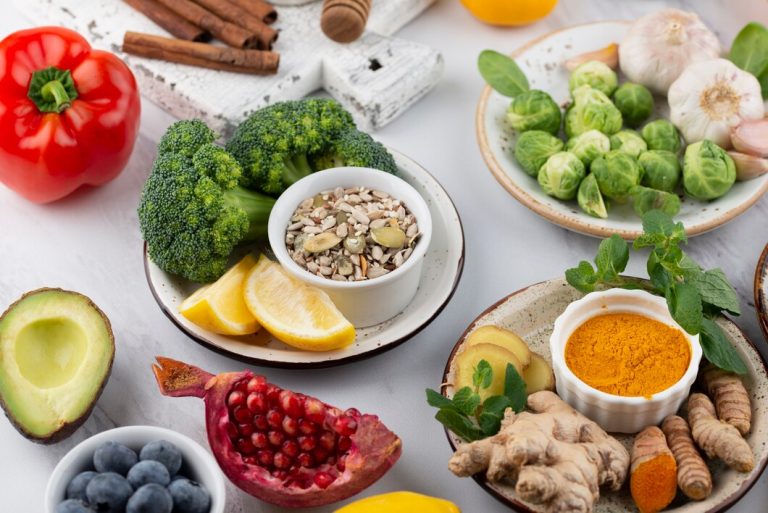
The journey to parenthood often begins with a focus on timing, tracking, and hope. However, in the realm of modern reproductive science, we now know that the most critical factor for a healthy conception isn’t just the calendar—it’s the cellular environment. For decades, “preconception care” was limited to taking a generic prenatal vitamin and avoiding alcohol. Today, the field of nutrigenomic optimization has revealed that our unique genetic code dictates exactly which nutrients our bodies need to produce high-quality eggs and sperm and to sustain a healthy pregnancy. By using your DNA data to guide a DNA-based fertility diet, you move beyond the “one-size-fits-all” approach and into the world of biological precision. This is the definitive guide to fertility and preconception in the genomic age.
The 90-Day Window and the Epigenetic Blueprint
It takes approximately 90 days for an egg to mature before ovulation and roughly 74 days for sperm to be produced. This window is a “critical period” where your diet and environment act as a sculptor, shaping the epigenetic blueprint of your future child.
Why Genetics Matters for Fertility
- Methylation: The process of “tagging” DNA. If your methylation genes are slow, you may struggle with DNA repair in developing gametes.
- Oxidative Stress Defense: Eggs and sperm are highly sensitive to oxidative damage. Your genes dictate how many “internal antioxidants” you produce to protect them.
- Hormonal Conversion: DNA determines how efficiently your body converts cholesterol into progesterone and testosterone.
Nutrigenomic Optimization: The OREO Framework for Conception
O (Opinion): The standard recommendation of “400mcg of Folic Acid” is biologically reckless for nearly half the population; precision folate is the only ethical standard for preconception.
R (Reason): This is true because of the MTHFR (Methylenetetrahydrofolate Reductase) gene. Approximately 40-50% of people carry a variant that reduces their ability to convert synthetic folic acid into the active form (5-MTHF) required for fetal development. For these individuals, synthetic folic acid can actually build up in the bloodstream as “unmetabolized folic acid,” potentially masking deficiencies and failing to prevent neural tube defects. Nutrigenomic optimization ensures that you are providing the form of the nutrient your body can actually use.
E (Example): Consider a couple struggling with “unexplained” recurrent pregnancy loss. Their genetic fertility markers reveal that both partners have MTHFR C677T variants and the male partner has a “slow” SOD2 gene (low antioxidant defense). Their generic prenatal vitamin contains synthetic folic acid and no CoQ10. By switching to a DNA-based fertility diet that includes methylated folate and high-dose ubiquinol (the active form of CoQ10), they reduce the homocysteine levels that were causing vascular issues in the placenta and improve the DNA fragmentation scores in the sperm. The result is a successful, healthy conception.
O (Opinion/Takeaway): Therefore, the role of nutrigenomics in preconception care is to remove the “maybe” from your fertility journey, providing a foundation of certainty based on your molecular reality.
Genetic Fertility Markers: The “Big Four” Pathways
To achieve true nutrigenomic optimization, we must focus on four key genetic pathways that govern reproductive success.
1. The Methylation Pathway (MTHFR, MTRR, MTR)
This is the “master switch” for DNA synthesis.
- The Goal: Prevent neural tube defects and ensure proper egg maturation.
- Strategy: If you carry MTHFR variants, your best prenatal for MTHFR gene must contain Methylfolate (5-MTHF) and Methylcobalamin (B12).
2. The Glutathione Pathway (GSTM1, GSTP1)
Glutathione is the “master antioxidant.”
- The Goal: Protect eggs from “aging” and protect sperm from DNA fragmentation.
- Strategy: If your DNA data shows a “deletion” in these genes, your egg quality nutrition must be high in cruciferous vegetables and N-acetylcysteine (NAC) to boost internal production.
3. The Vitamin D Receptor (VDR)
Vitamin D is a pro-hormone that regulates over 200 genes related to fertility and implantation.
- The Goal: Support the uterine lining and immune tolerance of the embryo.
- Strategy: If you have VDR SNPs, your “normal” blood levels of Vitamin D may not be enough. You may require a higher “loading dose” to ensure your receptors are actually activated.
4. The Choline Pathway (PEMT)
Choline is as critical as folate for brain development, yet 90% of women are deficient.
- The Goal: Support the structural integrity of cell membranes in the developing fetus.
- Strategy: Estrogen helps you make choline, but if you have a PEMT variant, you cannot make enough internally. Your DNA-based fertility diet must prioritize egg yolks or high-quality phosphatidylcholine.
Male Fertility DNA: The Often Forgotten 50%
Fertility is a team sport. Male fertility DNA is equally susceptible to nutritional gaps.
- Sperm DNA Fragmentation: Driven by oxidative stress. If a man has “slow” antioxidant genes (GPX1, CAT), his sperm DNA can be damaged even if his “count” and “motility” look normal.
- Nutritional Fix: Targeted nutrigenomic optimization for men involves high doses of Zinc, Selenium, and Lycopene to act as a “shield” for the genetic material he is contributing.
How to Optimize Fertility with Genetics: Implementation
Transitioning to nutrigenomic optimization should ideally begin 4 to 6 months before you intend to conceive.
Step 1: Genomic Screening
Identify your SNPs in the methylation, detox, and inflammatory pathways. This provides the “cheat sheet” for your personalized nutrition.
Step 2: The “Clean-Up” Phase
Use your DNA data to identify genetic food intolerances. If you have the HLA-DQ (Celiac) or LCT (Lactose) variants, chronic low-grade inflammation from these foods can “steal” resources from your reproductive system.
Step 3: Targeted “Fertility Loading”
Switch from a generic prenatal to a customized protocol:
- Egg Quality: CoQ10, Myo-Inositol (especially if PCOS is a factor), and PQQ.
- Sperm Quality: L-Carnitine, Zinc, and Vitamin E.
- Uterine Environment: Omega-3s (EPA/DHA) tailored to your FADS gene status.
Role of Nutrigenomics in Preconception Care: Long-Tail Questions
- Can I improve my “AMH” or egg count? While you cannot change the number of eggs you are born with, egg quality nutrition can improve the health of the eggs that remain, making conception more likely.
- What if I’ve already been taking folic acid? Don’t panic. Simply switch to methylfolate now. The goal of nutrigenomic optimization is to provide the best environment moving forward.
Conclusion: Engineering the Best Start
Conception is the most complex biological event in the human experience. Fertility and Preconception: Nutrigenomic Optimization for Conception empowers you to take control of that complexity. By using your DNA data to build a DNA-based fertility diet, you are doing more than just trying to get pregnant; you are optimizing the very foundation of your child’s future health. You are providing the clean, nutrient-dense, and genetically-aligned environment that life needs to thrive. The journey to parenthood is a transformation—start yours with the precision of your own DNA.
About the Author