Osteoporosis is often called “the silent thief” because bone loss occurs without symptoms until a sudden fracture changes a life forever. For decades, the public health message has been singular: “Consume more calcium and take a standard Vitamin D supplement.” Yet, despite these blanket recommendations, osteoporosis rates continue to climb. The missing link is personalized nutrition.
We now know that your ability to absorb, transport, and utilize bone-building minerals is governed by your unique genetic code. For some, standard supplementation is sufficient; for others, it is functionally useless because their “cellular doors” for these nutrients are genetically jammed. By using DNA data to guide osteoporosis prevention, we can move beyond generic advice and build a skeletal structure designed to last a century.
The Skeletal Blueprint: Why “More” Isn’t Always “Better”
Bone is a living, dynamic tissue that is constantly being broken down (resorption) and rebuilt (formation). Bone health is the result of a delicate balance between these two processes.
The Role of Genetics in Bone Turnover
- Absorption: Genes like TRPV6 dictate how much calcium your gut actually pulls from your food.
- Transport: The GC gene (Group-Specific Component) encodes the Vitamin D-binding protein that acts as the “taxi” for Vitamin D in your blood.
- Reception: The VDR (Vitamin D Receptor) gene is the “lock” that Vitamin D must fit into to signal your body to build bone.
If you have “sticky locks” or “broken taxis” in your DNA, simply increasing your intake of calcium won’t solve the problem—it might even lead to calcium depositing in your arteries instead of your bones. This is why personalized calcium and vitamin D protocols are no longer optional for high-risk individuals.
Personalized Bone Health
The “Standard 400-800 IU” of Vitamin D is a biological myth for the 30% of the population with VDR polymorphisms; these individuals require “Genomic Dosing” to prevent bone loss.
This is true because Vitamin D is not just a vitamin; it is a pro-hormone. To work, it must bind to the Vitamin D Receptor (VDR). If you have the “B” or “t” variants of common VDR SNPs (like BsmI or TaqI), your receptors are less sensitive. You could have “perfect” blood levels of Vitamin D, but your bones are still “starving” because the signal isn’t being received. Osteoporosis prevention without knowing your VDR status is like trying to unlock a door with a key that only fits halfway.
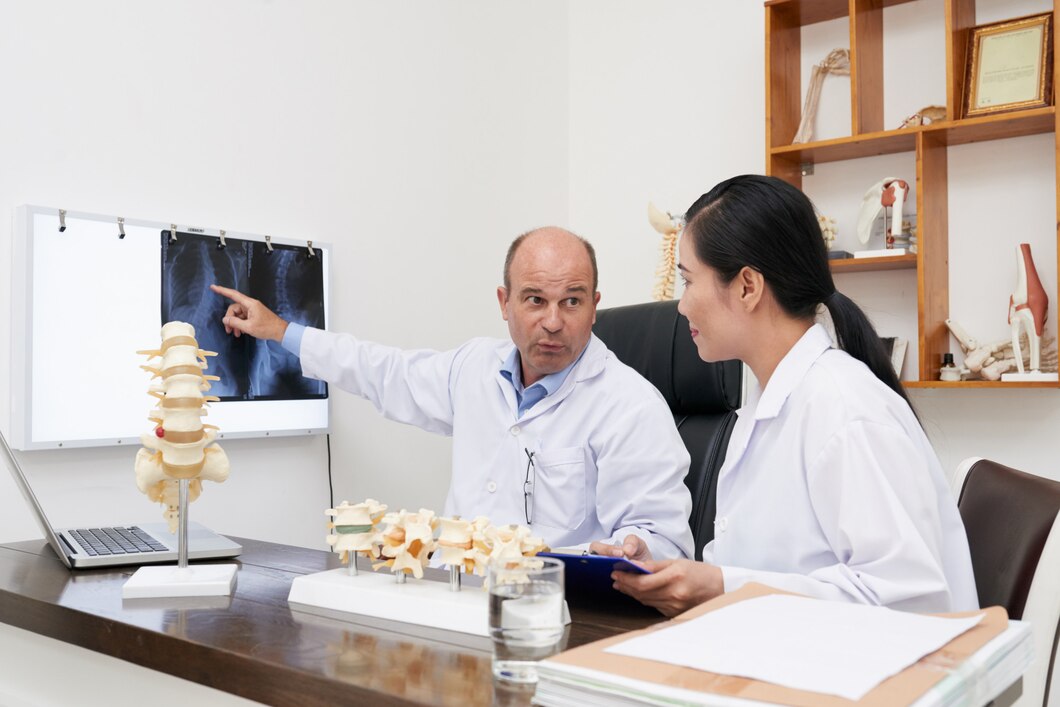
Consider a post-menopausal woman following a “healthy” bone mineral density diet rich in dairy and taking a standard multivitamin. Despite this, her DEXA scan shows progressing osteopenia. Her DNA data reveals a high-risk VDR BsmI variant and a “slow” CYP2R1 gene (the enzyme that converts Vitamin D into its active form). Her body is literally incapable of activating or receiving the Vitamin D she is taking. By switching to a personalized calcium and vitamin D plan that includes a higher dose of “micellized” Vitamin D3 and a specific ratio of Vitamin K2 to ensure calcium reaches the bone matrix, her bone markers stabilize within six months.
Therefore, the role of nutrigenomics in bone strength is to bridge the gap between “ingestion” and “utilization,” making personalized nutrition the only true defense against skeletal decline.
Genetic Bone Density Markers: The “Architects” of the Skeleton
To achieve true osteoporosis prevention, we must look at the specific genetic markers that act as the architects of your bone density.
1. The VDR Gene (Vitamin D Receptor)
This is the most well-studied gene in bone health.
- The Goal: Ensure the “signal” to absorb calcium is received.
- Strategy: If your VDR is “low sensitivity,” you may need blood levels of Vitamin D on the higher end of the clinical range (60-80 ng/mL) rather than the standard “sufficient” range (30 ng/mL).
2. The COL1A1 Gene (Collagen Type 1)
Bones aren’t just minerals; they are a collagen matrix reinforced by minerals.
- The Goal: Maintain the “flexibility” and strength of the bone.
- Strategy: Variants in COL1A1 can increase fracture risk even if bone density looks normal. Personalized nutrition for this group involves prioritizing Vitamin C and specific amino acids (proline/lysine) to support collagen synthesis.
3. The MTHFR Gene and Homocysteine
High homocysteine (driven by MTHFR variants) acts as a toxin to bone-building cells.
- The Goal: Prevent the “poisoning” of the bone matrix.
- Strategy: If you have MTHFR variants, your bone mineral density diet must include methylated B-vitamins to keep homocysteine low, as high levels are strongly correlated with hip fractures.
The Vitamin K2 Connection: The Genetic “Traffic Cop”
If Calcium is the “bricks” and Vitamin D is the “crane,” Vitamin K2 is the “foreman” that tells the bricks where to go.
- The MGP Gene: Vitamin K2 activates Matrix Gla Protein (MGP), which prevents calcium from depositing in your heart and pushes it into your bones.
- Nutrigenomic Insight: If your DNA data shows high inflammatory markers or vascular risk, you must pair your personalized calcium and vitamin D with Vitamin K2 (specifically MK-7). Without K2, high-dose calcium is a cardiovascular risk.
How to Prevent Osteoporosis with Genetics: Implementation
Mastering your skeletal future requires a three-step implementation of your DNA data.
Step 1: Baseline and Bio-Markers
Don’t just get a DEXA scan. Check your genetic bone density markers and your current blood levels of 25-OH Vitamin D, Ionized Calcium, and PTH (Parathyroid Hormone). PTH is the “alarm” that tells you if your body is stealing calcium from your bones to keep your blood levels stable.
Step 2: The “Precision Calcium” Diet
Stop the “calcium megadosing.” Research shows that taking 1000mg of calcium in a single pill can spike blood levels and stress the heart.
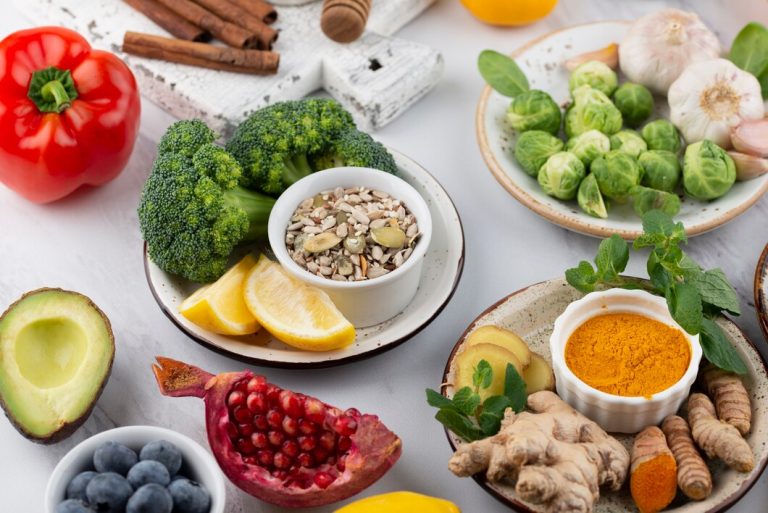
- Action: Spread calcium intake throughout the day via food (sardines, leafy greens, fortified almond milk). Use your personalized nutrition plan to determine if you need a supplement or if your TRPV6 gene is efficient enough to get what it needs from food.
Step 3: Targeted Synergy
Your personalized calcium and vitamin D protocol should always be a “Synergy Stack”:
- Magnesium: To convert Vitamin D into its active form.
- Boron: To extend the half-life of Vitamin D and estrogen (critical for bone).
- Zinc: To support the osteoblasts (bone-builders).
Role of Nutrigenomics in Bone Strength: Long-Tail Questions
- What is the best calcium supplement for my DNA? For most, Calcium Malate or Citrate is superior to Calcium Carbonate (chalk), which requires high stomach acid to absorb.
- Can I reverse bone loss? While “reversal” is difficult, you can significantly increase “bone quality” and stop further loss by aligning your personalized nutrition with your genetic capacity for repair.
Conclusion: Engineering a Skeletal Legacy
Your bones are the silent support system of your entire life. Osteoporosis Prevention: Bone Health Through Personalized Calcium and Vitamin D represents a shift from reactive medicine to proactive engineering. By understanding your genetic bone density markers and using DNA data to guide your bone mineral density diet, you are doing more than just preventing a fracture—you are ensuring your mobility, independence, and strength for decades to come. Don’t leave your skeletal future to chance; build it on the solid foundation of your own DNA.
About the Author