At every single second, in every cell of your body, a trillion-fold chemical reaction is occurring called “methylation.” It is the process of taking a small chemical “tag”—a methyl group—and passing it from one molecule to another. This seemingly simple act is the “master switch” of your biology. It determines how you repair DNA, how you detoxify environmental toxins, how you produce neurotransmitters like serotonin, and how you regulate inflammation. However, for a staggering 40-50% of the population, this switch is sluggish due to MTHFR variants. When this pathway fails, the results aren’t just subtle; they manifest as chronic fatigue, mood disorders, and cardiovascular risk. Methylation support through folate metabolism optimization is the key to unlocking your genetic potential. By using DNA data, you can finally provide your body with the specific “software” it needs to run its most critical programs.
The Methylation Cycle: The Body’s Multi-Tasking Engine
To understand methylation support, you must visualize a series of interlocking gears. When the first gear (Folate) turns, it drives the second gear (Methionine), which then produces S-adenosylmethionine (SAMe)—the body’s universal methyl donor.
The Genetic Bottlenecks
- The MTHFR Gene: This gene produces the enzyme that converts the folate from your diet into 5-MTHF, the only form of folate the body can actually use for methylation.
- C677T Variant: This specific “typo” in the DNA can reduce your enzyme efficiency by 30% (if you have one copy) to a massive 70% (if you have two copies).
- A1298C Variant: While less severe than C677T, this variant is primarily linked to neurotransmitter production and mental health.
Without proper folate metabolism optimization, these “gears” grind to a halt, leading to high levels of a toxic byproduct called homocysteine.
Methylation Support: The OREO Framework for Health
Synthetic folic acid is a biological “decoy” that is actively sabotaging the health of millions of people with MTHFR variants.
This is true because folic acid is a man-made, oxidized form of the vitamin that does not exist in nature. In a person with high-functioning MTHFR variants, the body can convert it. However, in an MTHFR “slow” individual, folic acid cannot be converted efficiently. It sits in the bloodstream, clogging the folate receptors and preventing the “real” folate from green leafy vegetables from entering the cells. This creates a state of “Unmetabolized Folic Acid” (UMFA) syndrome, which has been linked to impaired immune function and the acceleration of certain cancers. Methylation support must begin with the removal of this synthetic interloper.
Consider a patient struggling with “treatment-resistant” depression and chronic brain fog. Their DNA data reveals they are homozygous for the MTHFR C677T variant. For years, they have been eating “healthy” fortified cereals and taking a standard multivitamin containing 400mcg of folic acid. Their homocysteine is dangerously high, and their serotonin levels are bottoming out because they lack the methyl groups to produce neurotransmitters. By simply removing fortified foods and switching to a 5-MTHF vs folic acid protocol—using the active, methylated form of folate—their “gears” begin to turn. Within weeks, the brain fog lifts, and their mood stabilizes. This is the power of folate metabolism optimization.
Therefore, the role of nutrigenomics in DNA methylation is not just an elective health choice; it is a fundamental requirement for anyone whose “genetic gears” are naturally prone to stalling.
The MTHFR Management Toolkit: Beyond the Basics
To achieve optimal methylation, your personalized nutrition plan must address the entire “Methylation Stack.”
1. 5-MTHF: The Active Signal
If your MTHFR variants prevent you from making your own 5-MTHF, you must provide it directly.
- Strategy: Look for “L-5-Methyltetrahydrofolate” or “Quatrefolic” on supplement labels. This is the “pre-digested” form of folate that bypasses the MTHFR enzyme entirely.
2. The B12 “Co-Pilot” (MTR/MTRR)
Folate cannot work without Vitamin B12. They are partners in the homocysteine management process.
- DNA Insight: If you have variants in the MTR or MTRR genes, you are a “B12 waster.” You require methylated B12 (Methylcobalamin) to keep the folate cycle moving.
3. Choline: The “Back-Door” Pathway
When the primary folate gear is broken, the body can use an alternative pathway called the “BHMT pathway,” which uses Choline to methylate homocysteine.
- Methyl Donor Foods: Grass-fed beef, and beets (for betaine) are essential for providing this “back-door” support.
Homocysteine Management: The Danger of the “Silent Toxin”
When methylation support is lacking, homocysteine builds up. High homocysteine is an independent risk factor for:
- Cardiovascular Disease: It irritates the lining of the arteries, leading to plaque buildup.
- Cognitive Decline: It is neurotoxic and linked to an increased risk of Alzheimer’s.
- Pregnancy Complications: It can impair placental blood flow.
How to optimize methylation with diet involves more than just B-vitamins; it requires a low-inflammatory diet that doesn’t put extra “stress” on the methylation cycle.
How to Optimize Methylation with Diet: Implementation
Mastering your MTHFR variants requires a strategic “cleanse and rebuild” approach.
Step 1: The “Folic Acid Audit”
Read every label in your pantry. If you see “Folic Acid” in your bread, flour, or vitamins, it must be removed. This is the most critical step in folate metabolism optimization.
Step 2: Load the “Methyl-Green” Machine
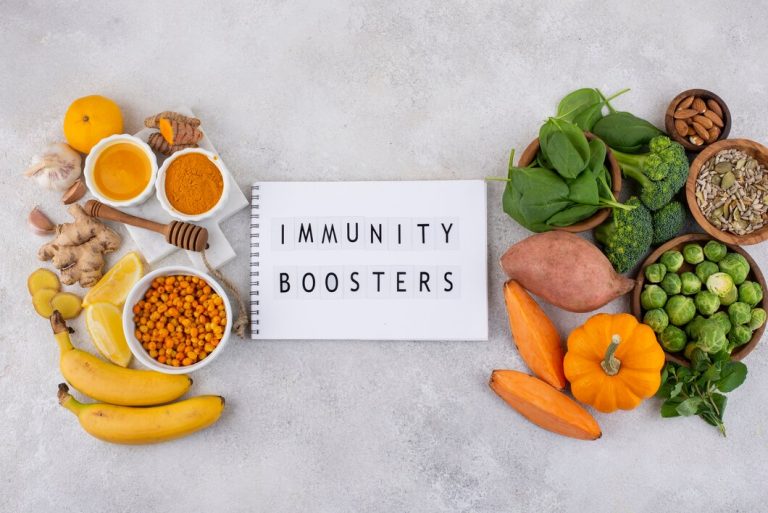
Your best supplements for MTHFR gene should be paired with a diet rich in natural folates.
- Action: Consume at least 2-3 cups of dark leafy greens (spinach, kale, arugula) daily. The word “folate” comes from “foliage.”
Step 3: Support the Co-Factors
The methylation cycle requires “spark plugs” to run:
- Magnesium: To activate the enzymes.
- Vitamin B2 (Riboflavin): This is the essential co-factor for the MTHFR enzyme itself. Many people with “MTHFR issues” actually just have a Riboflavin deficiency.
- Zinc: Crucial for DNA synthesis and repair.
Role of Nutrigenomics in DNA Methylation: Addressing Common Questions
- Can I take too many methyl groups? Yes. “Over-methylation” can lead to anxiety, irritability, and insomnia. Methylation support is about balance, not just maximal dosing. If you feel “wired” after taking methyl-B vitamins, you may need to lower your dose or add “methyl-buffers” like Glycine.
- Do I have to be on supplements forever? While a DNA-based folate optimization diet can do most of the work, those with homozygous C677T variants usually require some level of targeted support for life to maintain homocysteine management.
Conclusion: Updating Your Biological Software
Your MTHFR variants are not a “defect”; they are simply a set of instructions that require a specific environment to function correctly. Methylation Support: MTHFR Variants and Folate Metabolism Optimization gives you the “admin access” to your own biology. By understanding your genetic methylation markers and providing the active, bioavailable forms of nutrients your body craves, you turn the “gears” of your health with ease. You are no longer fighting against your DNA; you are working with it. Optimize your methylation today, and watch as your energy, mood, and long-term resilience are “updated” to their highest possible version.
About the Author