For ten thousand years, human nutrition has been defined by what we could harvest from the earth or hunt in the wild. We have been limited by the biological constraints of the organisms we consume—a cow can only produce so much B12; a stalk of kale can only hold so much magnesium. But as we move toward 2030, the “Agricultural Era” is giving way to the “Molecular Era.” AI-generated synthetic foods, powered by precision fermentation, are breaking the biological ceiling. We are no longer limited to what nature provides; we are now able to “code” food at the cellular level. This is the ultimate expression of personalized nutrition, where every calorie is designed by an algorithm to match your unique genetic code.
What is Precision Fermentation? The Microscopic Brewery
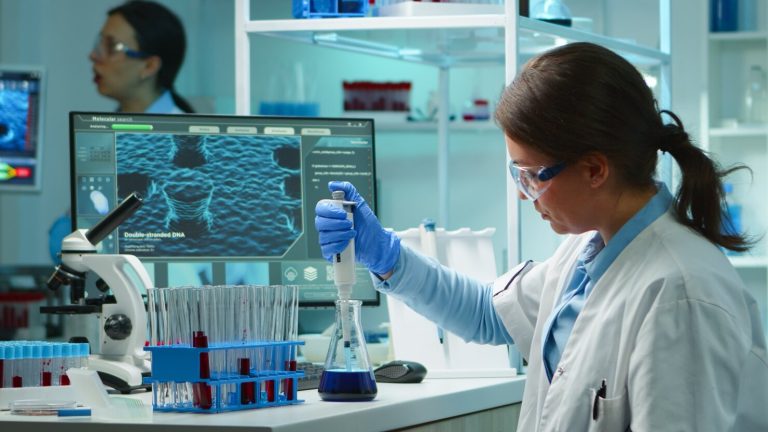
Precision fermentation is a form of cellular agriculture that uses microorganisms—like yeast, fungi, or bacteria—as “factories” to produce specific functional ingredients.
The Recombinant Revolution
Unlike traditional fermentation (which uses microbes to change the texture of food, like in cheese or beer), precision fermentation uses recombinant protein production.
- The Blueprint: An AI analyzes your DNA data and identifies a nutrient you are genetically poor at absorbing or producing (e.g., a specific rare protein or fatty acid).
- The Programming: The genetic “instructions” for that nutrient are inserted into a microorganism.
- The Brewing: These microbes are placed in a fermentation tank where they “brew” the exact, bio-identical nutrient in massive quantities.
This allows us to create AI-generated synthetic foods that are molecularly identical to their natural counterparts but optimized for your specific biology.
AI-Generated Synthetic Foods
The future of “Superfoods” is not found in a remote rainforest; it is designed in a bioreactor using your specific genetic sequence as the blueprint.
This is true because natural foods are “metabolically noisy.” A piece of beef contains 20 different types of fat, some of which may be inflammatory for your specific APOE4 genotype. With molecular food design, we can use precision fermentation to create the protein of beef without the inflammatory saturated fats, replacing them with the specific Omega-3s your FADS genes require. We are removing the “collateral damage” of traditional eating and replacing it with surgical nutritional precision. AI-generated synthetic foods represent the end of the “average” diet.
Consider a woman with a genetic predisposition to anemia (TMPRSS6 variants) who also chooses a vegan lifestyle. Traditionally, she would struggle to get enough heme-iron. Through precision fermentation, AI can program yeast to produce “recombinant heme”—the exact molecular structure of iron found in blood, but without the animal. This “synthetic heme” can be added to her personalized meals, providing 100% bioavailability. This is the role of AI in molecular food design—solving the conflict between ethical choices and genetic requirements.
Therefore, the future of personalized nutrition is the transition from “Finding the right food” to “Creating the perfect molecule.”
Molecular Food Design: The Role of AI
The complexity of designing a food from scratch is staggering. There are millions of possible molecular combinations. This is where AI in nutrition becomes the master architect.
- Nutrient Synergy: AI can predict how synthetic proteins will interact with your vitamin D receptors or methylation markers to ensure maximum absorption.
- Flavor Profiling: Using Taste Genetics (TAS2R38), AI can design synthetic foods that provide intense nutrition while chemically masking the bitterness that “Super-Tasters” find repulsive.
- Real-Time Adjustment: By 2030, your nutrition wearables will signal your kitchen’s fermentation unit to “dial up” the production of specific recovery aminos because your lactate levels are high from a morning workout.
The Benefits: Why “Synthetic” is Often Superior
While the word “synthetic” can be polarizing, in the context of recombinant protein production, it offers advantages nature cannot match:
- Bio-Identicality: These aren’t “substitutes”; they are chemically identical to the molecules your body knows, but free from antibiotics, hormones, and environmental toxins (like microplastics in fish).
- Hyper-Concentration: We can create “Designer Milks” that contain 10x the amount of lactoferrin (an immune-boosting protein) for someone whose DNA data shows a weak innate immune response.
- Sustainability: Precision fermentation uses 90% less land and water than traditional agriculture, making personalized nutrition possible for 10 billion people.
[Image comparing the environmental footprint of lab-grown/fermented protein vs traditional beef production]
How Does Precision Fermentation Work in Nutrition? Implementation
The implementation of AI-generated synthetic foods will happen in three distinct phases.
Phase 1: The Ingredient Era (2025-2027)
Synthetic “add-ins” like animal-free whey, collagen, and heme-iron become standard in high-end personalized supplements and “smart” protein powders.
Phase 2: The Functional Food Era (2027-2029)
Full meals—like synthetic salmon or “programmed” cheeses—hit the market, specifically marketed to those with genetic intolerances (e.g., lactose-free dairy that actually tastes like dairy because it is dairy, minus the lactose).
Phase 3: The Personal Bioreactor (2030+)
The “Home Bio-Kitchen” becomes a reality. Small-scale fermentation units in the home create daily “Nutrient Broths” or yogurts tailored to the data from your real-time metabolite sensors.
Role of AI in Molecular Food Design: Addressing Myths
- Is it “GMO”? While the microorganisms are genetically modified to produce the nutrient, the final product (the protein or fat) contains no genetic material from the microbe. It is a pure, “non-GMO” molecular isolate.
- Is it “Frankenfood”? Quite the opposite. AI-generated synthetic foods are often cleaner and more “natural” to your body’s specific receptors because they are designed to match your DNA data perfectly, unlike the “evolutionary mismatches” found in many modern industrial foods.
Comparison: Traditional Agriculture vs. Precision Fermentation
| Feature | Traditional Agriculture | Precision Fermentation |
| Nutrient Profile | Fixed (Biological limit) | Programmable (Unlimited) |
| Purity | Contains “Bio-Junk” (Antibiotics/Toxins) | Molecularly Pure |
| Personalization | Low (Generic) | High (DNA-Matched) |
| Sustainability | Resource Intensive | High Efficiency |
Conclusion: Coding the Future of Health
The era of “eating what is available” is ending. AI-Generated Synthetic Foods: Personalized Nutrition Through Precision Fermentation represents the final step in human nutritional sovereignty. By moving the “factory” from the farm to the bioreactor and the “manager” from the farmer to the AI, we can finally provide every human being with the exact molecular fuel their DNA demands. We are not just making food; we are making “biological software” that upgrades our health with every bite. The future of food isn’t grown; it’s programmed.
About the Author