In recent years, AI in personalized nutrition has emerged as a groundbreaking approach that is reshaping how individuals manage their health, diet, and overall wellbeing. Unlike traditional one-size-fits-all diet plans, artificial intelligence is enabling tailored nutrition strategies based on individual biology, lifestyle, preferences, and health goals. With advancements in data analysis, wearable devices, and machine learning, personalized nutrition using AI is becoming more accurate, accessible, and effective than ever before.
This transformation is not just about convenience—it’s about precision, prevention, and empowerment. From AI nutrition plans designed for weight loss to smart diet planning for chronic disease management, artificial intelligence in nutrition is revolutionizing the way we approach food and health.
Understanding Personalized Nutrition in the Age of AI
Personalized nutrition refers to creating diet plans that are tailored to an individual’s unique characteristics, including genetics, metabolism, lifestyle, and health conditions. Traditionally, nutrition advice has been generalized. However, modern digital health technology combined with AI allows for more precise and individualized recommendations.
What is AI in Nutrition?
At its core, AI in nutrition involves using algorithms, data analytics, and machine learning in healthcare to analyze vast amounts of health data. This includes:
- Dietary habits
- Physical activity levels
- Genetic information
- Gut microbiome data
- Sleep patterns
- Medical history
By analyzing these data points, AI can generate highly customized meal plans and recommendations.
How AI is Transforming Personalized Nutrition
The integration of artificial intelligence in nutrition is fundamentally changing how diet plans are created and implemented. Let’s explore how AI is transforming personalized nutrition in practical ways.
1. Data-Driven Nutrition Insights
AI excels at analyzing large datasets. Through nutrition analytics, it identifies patterns and correlations that humans might miss.
For example:
- AI can detect how certain foods affect blood sugar levels differently in individuals.
- It can predict nutrient deficiencies based on dietary habits.
- It identifies long-term health risks based on lifestyle data.
This enables personalized nutrition recommendations using AI that are far more accurate than traditional methods.
2. AI-Powered Diet Plans for Weight Loss
Weight loss is one of the most popular applications of AI in nutrition. Traditional dieting often fails due to lack of personalization.
With AI-powered diet plans for weight loss, individuals receive:
- Calorie-specific meal plans
- Macronutrient balancing
- Real-time adjustments based on progress
- Behavioral insights to improve adherence
AI continuously learns from user data, making the plan more effective over time.
3. Smart Nutrition Planning with Artificial Intelligence
Smart nutrition planning goes beyond counting calories. AI considers multiple factors:
- Daily activity levels
- Sleep quality
- Stress levels
- Hormonal fluctuations
This leads to smart diet planning that adapts dynamically. For instance, if your activity level increases, AI adjusts your calorie intake automatically.
4. AI-Based Nutrition Tracking Apps
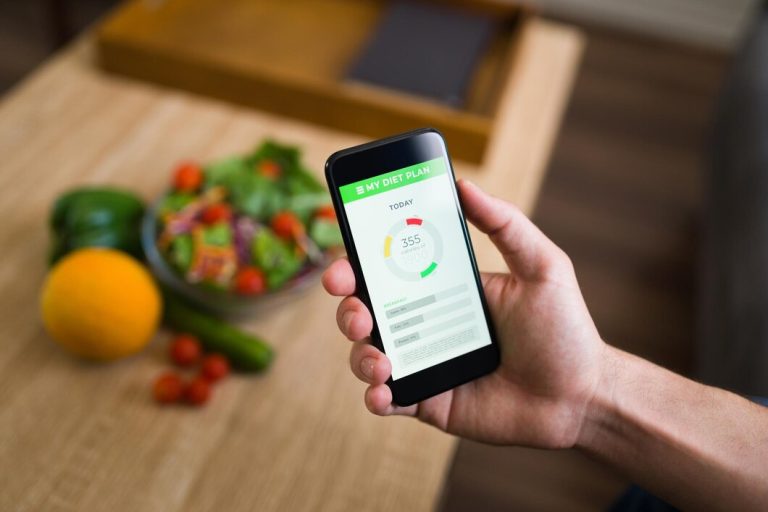
Modern AI-based nutrition tracking apps are far more advanced than basic calorie counters. They use:
- Image recognition to analyze food
- Voice input for meal logging
- Predictive analytics for future recommendations
These apps make health data tracking seamless and accurate, encouraging consistency and better outcomes.
5. Integration with Wearable Health Technology
Wearable devices such as fitness trackers and smartwatches play a crucial role in AI-driven nutrition.
Wearable health technology collects real-time data like:
- Heart rate
- Steps taken
- Calories burned
- Sleep cycles
AI integrates this data to provide AI-driven health and nutrition solutions that are responsive and personalized.
6. Precision Nutrition and Genetic Insights
One of the most exciting developments is precision nutrition, which uses genetic and metabolic data to create highly individualized diet plans.
AI can:
- Analyze DNA reports
- Identify food sensitivities
- Recommend optimal nutrient intake
This approach answers the question: how does AI improve personalized nutrition? By making it deeply individualized at a biological level.
Benefits of AI in Personalized Nutrition for Better Health
The benefits of AI in personalized nutrition for better health are extensive and impactful.
1. Improved Health Outcomes
AI enables early detection of health risks and suggests preventive dietary changes. This supports long-term wellbeing.
2. Better Diet Adherence
Personalized plans are easier to follow because they align with:
- Food preferences
- Lifestyle habits
- Cultural choices
This increases consistency and success rates.
3. Real-Time Feedback and Adjustments
Unlike static diet plans, AI systems continuously adapt. This ensures:
- Ongoing optimization
- Immediate corrections
- Better results over time
4. Enhanced Understanding of Nutrition
AI educates users about their dietary habits, helping them make informed decisions.
5. Support for Chronic Conditions
AI nutrition plans are particularly useful for managing:
- Diabetes
- Obesity
- Heart disease
- Digestive disorders
How AI Helps Improve Diet and Health
AI doesn’t just recommend what to eat—it transforms how we think about food.
Behavioral Analysis
AI studies eating patterns and suggests improvements. For example:
- Identifying emotional eating triggers
- Recommending healthier alternatives
Predictive Health Modeling
AI can predict future health risks based on current habits, enabling proactive changes.
Continuous Learning
As users interact with AI systems, the algorithms improve, making recommendations more accurate.
Gut Health and AI
Gut health plays a critical role in overall wellness, and AI is making it easier to understand.
Microbiome Analysis
AI analyzes gut bacteria to determine:
- Food sensitivities
- Digestive efficiency
- Nutrient absorption
Personalized Gut-Friendly Diets
Based on microbiome data, AI suggests:
- Probiotic-rich foods
- Fiber intake adjustments
- Foods to avoid
This highlights the growing importance of gut health and AI in personalized nutrition.
Nutrition Automation: The Future of Eating
Nutrition automation is another exciting aspect of AI in personalized nutrition.
Automated Meal Planning
AI can:
- Generate weekly meal plans
- Create shopping lists
- Suggest recipes
Smart Kitchens
Future kitchens may include AI systems that:
- Recommend meals based on available ingredients
- Track expiration dates
- Optimize cooking methods
Can AI Create Better Diet Plans?
A common question is: can AI create better diet plans?
The answer is increasingly yes.
AI offers:
- Greater personalization
- Data-backed decisions
- Continuous improvement
However, it works best when combined with professional guidance from nutritionists.
AI-Driven Health and Nutrition Solutions in Practice
Many platforms today offer AI-driven health and nutrition solutions. These include:
- Apps that provide customized meal plans
- Platforms integrating fitness and nutrition data
- AI tools for healthcare providers
These solutions are making AI for better health a reality for millions.
Challenges and Limitations of AI in Nutrition
While AI has immense potential, there are challenges to consider.
1. Data Privacy Concerns
Health data is sensitive, and protecting it is crucial.
2. Accuracy of Input Data
AI is only as good as the data it receives. Incorrect inputs can lead to inaccurate recommendations.
3. Accessibility Issues
Not everyone has access to advanced AI tools or wearable devices.
4. Lack of Human Touch
AI cannot fully replace the empathy and understanding of human nutritionists.
The Role of Machine Learning in Healthcare
Machine learning in healthcare is the backbone of AI nutrition systems.
It enables:
- Pattern recognition
- Predictive analytics
- Continuous improvement
This technology is driving innovation in personalized nutrition.
The Future of Personalized Nutrition Using AI
The future of personalized nutrition using AI is incredibly promising.
Emerging Trends
- Integration with genetic testing
- Advanced microbiome analysis
- AI-powered virtual nutritionists
- Fully automated diet planning systems
Holistic Health Management
AI will increasingly connect:
- Nutrition
- Fitness
- Mental health
This creates a comprehensive approach to wellness.
Practical Tips for Using AI in Your Nutrition Journey
If you want to leverage AI for better health, consider these steps:
1. Use Reliable AI Nutrition Apps
Choose apps with strong data security and proven accuracy.
2. Combine AI with Expert Advice
Consult nutritionists to complement AI insights.
3. Track Your Data Consistently
Accurate health data tracking improves AI recommendations.
4. Stay Open to Adjustments
AI plans evolve—be flexible and adaptive.
Conclusion
The rise of AI in personalized nutrition marks a significant shift in how we approach diet and health. Through advanced analytics, real-time tracking, and continuous learning, AI is enabling smarter, more effective nutrition strategies.
From AI-powered diet plans for weight loss to precision nutrition based on genetic data, the possibilities are vast. As digital health technology continues to evolve, AI will play an even greater role in shaping healthier lifestyles.Ultimately, how AI is transforming personalized nutrition comes down to one key idea: making nutrition smarter, more personal, and more effective. With the right tools and approach, AI has the potential to revolutionize health outcomes and empower individuals to take control of their wellbeing like never before.
About the Author