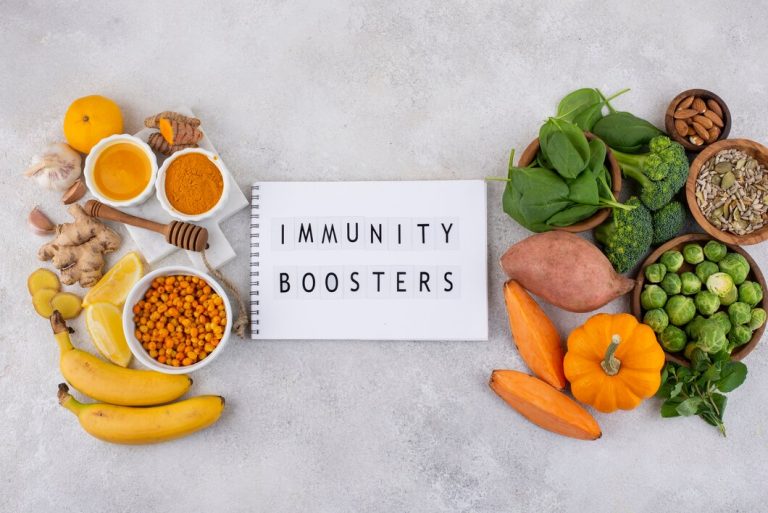
In recent years, gut microbiome optimization has become a central focus in health and wellness conversations—and for good reason. The trillions of microorganisms living in your digestive tract influence everything from nutrient absorption to mental clarity and immune resilience. Understanding how to improve gut health naturally, support gut health for digestion and immunity, and unlock powerful microbiome health benefits can transform your overall well-being. This comprehensive guide explores advanced gut health strategies, practical tools, and science-backed insights to help you optimize gut bacteria, restore gut bacteria balance, and achieve long-term digestive wellness and immune system support.
Understanding the Gut Microbiome
Your gut microbiome is a complex ecosystem made up of bacteria, viruses, fungi, and other microbes. While that might sound alarming, many of these organisms are essential for survival.
What Does the Gut Microbiome Do?
The microbiome plays a vital role in:
- Breaking down food and aiding digestion
- Helps generate vital nutrients such as B vitamins and vitamin K
- Supporting the gut microbiome and immune system connection
- Regulating inflammation
- Influencing mood via the gut-brain axis
When this ecosystem is balanced, your body functions optimally. When disrupted, it can lead to digestive issues, weakened immunity, and chronic health problems.
The Link Between Gut Health, Digestion, and Immunity
Good gut health is key to overall well-being. The relationship between gut health for digestion and immunity is deeply interconnected.
Digestion
Efficient digestion depends on a diverse and balanced microbiome. Good bacteria help:
- Break down complex carbohydrates
- Ferment fiber into beneficial compounds
- Improve nutrient absorption
Immunity
Around 70% of the immune system is located in the gut. The gut microbiome and immune system work together to:
- Identify harmful pathogens
- Regulate immune responses
- Prevent inflammation
This is why immune system support begins in the gut.
Signs Your Gut Microbiome Needs Optimization
Before diving into solutions, it’s important to recognize imbalance.
Common signs include:
- Bloating and gas
- Constipation or diarrhea
- Food intolerances
- Frequent infections
- Fatigue
- Mood swings
These symptoms indicate disrupted gut bacteria balance and the need for digestive health improvement tips.
How to Optimize Gut Microbiome for Better Digestion
Understanding how to optimize gut microbiome for better digestion involves multiple strategies.
1. Focus on a Microbiome Diet Plan
A well-designed microbiome diet plan is the foundation of gut health.
Key Principles
- Eat diverse, whole foods
- Prioritize fiber-rich ingredients
- Include fermented foods
- Reduce processed foods
A balanced diet plan for gut microbiome balance supports beneficial bacteria growth.
2. Probiotics and Prebiotics for Gut Health
One of the most effective ways to optimize gut bacteria is through probiotics and prebiotics for gut health.
Probiotics
These are live beneficial bacteria found in:
- Yogurt (plant-based options included)
- Kimchi
- Sauerkraut
- Kefir
Prebiotics
Prebiotics feed good bacteria and are found in:
- Garlic
- Onions
- Bananas
- Asparagus
Together, they enhance microbiome health benefits and promote digestive wellness.
3. Eat Foods for Healthy Gut Microbiome
Choosing the right foods for healthy gut microbiome is essential.
Top Gut-Friendly Foods
- Whole grains
- Legumes
- Fruits and vegetables
- Nuts and seeds
- Fermented foods
These foods help maintain gut bacteria balance and improve digestion.
4. Reduce Sugar and Processed Foods
Excess sugar feeds harmful bacteria, disrupting balance.
Limiting processed foods is one of the best ways to improve gut health and immunity naturally.
5. Stay Hydrated
Water supports digestion and helps maintain a healthy gut lining.
Advanced Gut Health Strategies
For those looking to go beyond basics, advanced gut health strategies can provide deeper benefits.
1. Personalized Nutrition
Not all diets work for everyone. Tailoring your microbiome diet plan based on your body’s needs can significantly improve results.
2. Intermittent Fasting
Fasting gives your digestive system time to rest and repair, supporting gut microbiome optimization.
3. Stress Management
Chronic stress negatively impacts gut health.
Practices like meditation and yoga support the gut-brain axis and improve digestive wellness.
4. Sleep Optimization
Quality sleep is essential for maintaining gut bacteria balance and overall health.
The Gut-Brain Axis: A Powerful Connection
The gut-brain axis is the communication network between your gut and brain.
How It Works
- The gut sends signals to the brain via the vagus nerve
- Gut bacteria produce neurotransmitters like serotonin
This explains why gut health affects mood, stress, and mental clarity.
Microbiome Health Benefits You Should Know
Optimizing your gut offers numerous advantages.
Key Benefits
- Improved digestion
- Stronger immunity
- Better mental health
- Increased energy levels
- Reduced inflammation
These microbiome health benefits highlight the importance of holistic gut health.
Digestive Health Improvement Tips
Here are practical digestive health improvement tips you can start today:
- Eat slowly and chew thoroughly
- Avoid overeating
- Include fiber in every meal
- Stay active
- Limit alcohol
These habits support digestive wellness and overall health.
Gut Microbiome and Immune System Support
Your gut plays a critical role in defending against illness.
How It Supports Immunity
- Produces immune cells
- Prevents harmful bacteria growth
- Regulates inflammation
Strengthening the gut microbiome and immune system connection enhances immune system support.
Holistic Gut Health Approach
A holistic gut health approach considers all aspects of lifestyle.
Key Components
- Nutrition
- Sleep
- Stress management
- Physical activity
Combining these elements ensures long-term success in gut microbiome optimization.
Sample Diet Plan for Gut Microbiome Balance
Here’s a simple diet plan for gut microbiome balance:
Breakfast
- Oats with fruits and seeds
Lunch
- Whole grain bowl with vegetables and legumes
Snack
- Nuts and fermented food
Dinner
- Light meal with vegetables and protein
This supports gut health for digestion and immunity.
Common Mistakes to Avoid
Avoid these pitfalls when trying to improve gut health naturally:
- Overusing antibiotics
- Ignoring fiber intake
- Eating too many processed foods
- Skipping meals
Long-Term Strategies for Gut Health
Consistency is key.
Sustainable Habits
- Maintain a balanced diet
- Stay active
- Manage stress
- Prioritize sleep
These ensure lasting digestive wellness.
The Future of Gut Health
Research into the microbiome continues to grow.
Emerging trends include:
- Personalized probiotics
- Microbiome testing
- Advanced dietary interventions
These innovations will further enhance advanced gut health strategies.
Final Thoughts
Optimizing your gut microbiome is one of the most powerful steps you can take for your health. From understanding how to optimize gut microbiome for better digestion to implementing a balanced microbiome diet plan, every small change contributes to better well-being.
Conclusion
The journey to better health begins in your gut. By focusing on gut microbiome optimization, incorporating probiotics and prebiotics for gut health, choosing the right foods for healthy gut microbiome, and adopting a holistic gut health approach, you can unlock lasting benefits.
From improved digestion to stronger immunity, the connection between gut health for digestion and immunity is undeniable. With the right strategies, you can achieve optimal gut bacteria balance, enhance your gut-brain axis, and enjoy a healthier, more vibrant life.
About the Author