Managing thyroid health is not only about medicines—it is also deeply connected to nutrition, metabolism, and everyday eating habits. A proper diet plan for thyroid disorders can help regulate hormones, improve energy levels, support digestion, reduce inflammation, and assist with healthy weight control. Whether someone is dealing with hypothyroidism, hyperthyroidism, or mild thyroid imbalance, choosing the right meals can make a visible difference in long-term wellness. Following a structured thyroid diet plan helps patients understand what to eat in thyroid disorder, which foods to eat for thyroid support hormone production, and which foods to avoid in thyroid may interfere with treatment. Many doctors now recommend a personalized thyroid daily meal guide because the best diet for thyroid patients includes nutrient-dense ingredients, balanced protein, iodine-conscious choices, selenium-rich foods, and anti-inflammatory meals. In this complete article, we will cover a practical thyroid disorder meal plan, discuss thyroid friendly foods, share a useful hypothyroidism diet chart, explain hyperthyroidism diet foods, and provide a realistic indian diet plan for thyroid disorders with breakfast, lunch, dinner, and healthy snack ideas.
Understanding Why Diet Matters in Thyroid Disorders
The thyroid gland controls many critical functions in the body, including:
- metabolism,
- body temperature,
- heart rate,
- energy production,
- menstrual cycle,
- digestion,
- mood,
- weight maintenance.
When thyroid hormones become underactive or overactive, the entire body begins to feel the imbalance. This is why medicine alone often does not solve fatigue, weight gain, bloating, weakness, or mood changes unless diet is also corrected.
A healthy eating routine can help by:
- supporting thyroid hormone synthesis,
- improving absorption of medication,
- reducing inflammation,
- correcting nutrient deficiencies,
- controlling blood sugar,
- preventing unnecessary weight gain.
That is why many endocrinologists suggest a healthy meal guide for thyroid patients as a daily support strategy.
Types of Thyroid Disorders and Their Nutritional Needs
Before following any meal plan, it is important to understand that thyroid disorders are mainly of two common types:
1. Hypothyroidism
In hypothyroidism, the thyroid gland produces fewer hormones than needed. This slows metabolism and causes:
- weight gain,
- tiredness,
- constipation,
- dry skin,
- hair fall,
- depression,
- cold sensitivity.
Patients with this condition often need a daily diet plan for hypothyroidism that boosts metabolism and reduces sluggishness.
2. Hyperthyroidism
In hyperthyroidism, the gland becomes overactive and produces too many hormones. This causes:
- rapid heartbeat,
- anxiety,
- weight loss,
- sweating,
- weakness,
- frequent hunger.
The right hyperthyroidism diet foods should calm inflammation and prevent nutrient depletion.
Key Nutrients Required in a Thyroid Diet Plan
A successful thyroid disorder meal plan is based on certain nutrients that directly support gland function.
Iodine
Iodine helps produce thyroid hormones. But too much iodine can also worsen some thyroid conditions, so balance matters.
Good sources:
- iodized salt,
- dairy,
Selenium
Selenium protects the thyroid gland from oxidative stress.
Foods rich in selenium:
- sunflower seeds,
- mushrooms,
- brown rice,
- tuna.
Zinc
Zinc helps in hormone conversion.
Sources:
- pumpkin seeds,
- lentils,
- chickpeas,
- nuts.
Iron
Low iron can worsen fatigue and weak thyroid function.
Sources:
- spinach,
- beetroot,
- jaggery,
- dates,
- legumes.
Vitamin D and B12
Many thyroid patients are deficient in these, which increases weakness and brain fog.
Foods to Eat for Thyroid: Thyroid Friendly Foods That Support Healing
Choosing the right thyroid friendly foods daily can improve hormonal support naturally.
1. Nuts and Seeds
Especially:
- almonds,
- walnuts,
- flaxseeds,
- pumpkin seeds,
- sunflower seeds.
These are excellent thyroid balancing foods for daily routine.
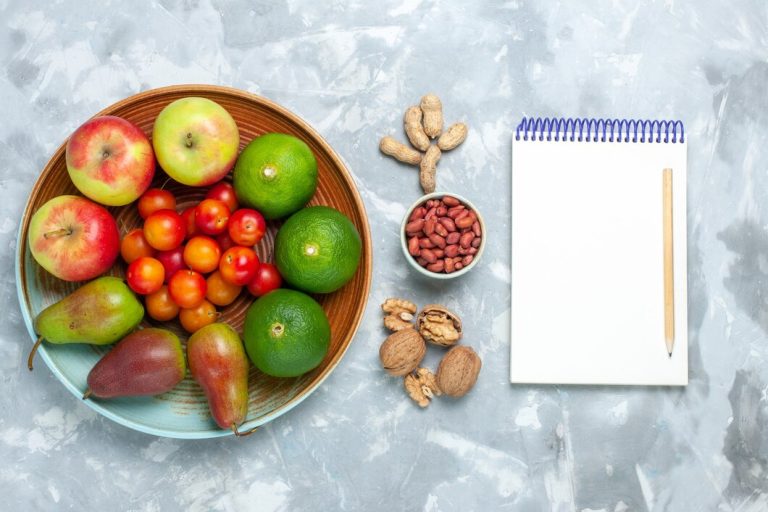
2. Fresh Fruits
Best fruits include:
- berries,
- apples,
- oranges,
- papaya,
- pomegranate.
These reduce inflammation and support digestion.
3. Whole Grains
- oats,
- brown rice,
- quinoa,
- millet,
- whole wheat.
These help maintain blood sugar and improve metabolism.
4. Lean Protein
- paneer,
- dal,
- tofu
- sprouts.
Protein is essential in a thyroid weight loss diet plan because it keeps metabolism active.
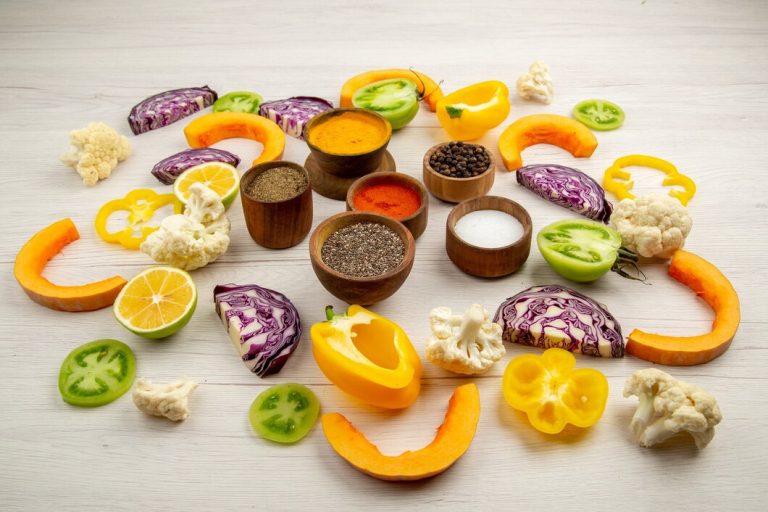
5. Cooked Vegetables
Cooked vegetables are better than raw in many thyroid cases.
Best options:
- bottle gourd,
- carrots,
- pumpkin,
- beans,
- ridge gourd,
- sweet potato.
6. Herbal Fluids
- warm lemon water,
- jeera water,
- ginger tea,
- tulsi tea.
These support digestion and reduce bloating.
These are some of the most recommended thyroid healing foods and meal tips used in daily care.
Foods to Avoid in Thyroid: What Foods Should Thyroid Patients Avoid?
Equally important is knowing what foods should thyroid patients avoid.
1. Highly Processed Junk Foods
These worsen inflammation and increase weight gain.
Avoid:
- chips,
- bakery products,
- sugary biscuits,
- frozen snacks.
2. Excess Soy
Soy can interfere with thyroid hormone absorption in some individuals.
3. Excess Raw Cruciferous Vegetables
Such as:
- raw cabbage,
- cauliflower,
- broccoli.
Cooked versions are safer in moderation.
4. Refined Sugar
Sugar spikes insulin and worsens fatigue.
5. Too Much Caffeine
Excess tea/coffee can disturb hormones and anxiety.
6. Deep Fried Foods
These slow digestion and increase inflammation.
7. Excess Gluten (for sensitive patients)
Some thyroid patients with autoimmune issues feel better reducing gluten.
This forms the essential thyroid foods to eat and avoid list that every patient should understand.
What to Eat in Thyroid Disorder for Better Weight Management
Many people ask: what to eat in thyroid disorder when weight keeps fluctuating?
The answer is:
- eat smaller balanced meals,
- include protein in every meal,
- avoid long fasting gaps,
- increase fiber,
- drink enough water,
- cut hidden sugar.
A smart diet chart for thyroid and weight management focuses on metabolism rather than crash dieting.
Because starving actually slows thyroid patients down further.
Best Diet for Thyroid Patients: General Meal Planning Rules
The best diet for thyroid patients usually follows these principles:
- 3 main meals + 2 healthy snacks,
- high protein breakfast,
- anti-inflammatory lunch,
- light early dinner,
- no heavy sugar at night,
- enough hydration,
- medicine on empty stomach as prescribed.
Consistency matters more than occasional dieting.
Indian Diet Plan for Thyroid Disorders (Full Day Meal Guide)
Now let us create a practical indian diet plan for thyroid disorders that is realistic and easy to follow.
Early Morning (6:30–7:00 AM)
- Warm water with lemon
- 4 soaked almonds
- 2 walnuts
- 1 tsp flaxseed powder
This supports metabolism and digestion.
Breakfast (8:00 AM) – Thyroid Patient Breakfast Lunch Dinner Plan Begins Right
Good breakfast options:
Option 1
Vegetable oats + boiled egg
Option 2
Moong chilla + mint chutney
Option 3
Vegetable poha with peanuts
Option 4
2 idli + sambar
Option 5
Paneer stuffed multigrain roti roll
Breakfast should never be skipped in a thyroid patient breakfast lunch dinner plan.
Mid-Morning Snack (11:00 AM)
Choose one:
- papaya bowl,
- apple,
- coconut water,
- pomegranate.
Lunch (1:00 PM)
A balanced thyroid daily meal guide lunch should contain:
- 2 multigrain rotis or brown rice,
- dal or rajma,
- cooked green vegetable,
- cucumber-carrot salad,
- curd,
- paneer/chicken/fish (optional).
This gives fiber + protein + minerals.
Evening Snack (4:30 PM)
Instead of tea biscuits choose:
- roasted chana,
- sprouts chaat,
- buttermilk,
- handful of seeds.
Dinner (7:30 PM)
Dinner should be lighter than lunch.
Best options:
Option 1
Vegetable soup + paneer bhurji
Option 2
Khichdi + curd
Option 3
Grilled fish + sautéed vegetables
Option 4
Dal + lauki sabzi + 1 roti
Option 5
Millet upma
This makes an ideal healthy meal guide for thyroid patients.
Bedtime (if hungry)
- turmeric milk or
- chamomile tea.
Daily Diet Plan for Hypothyroidism (Special Focus)
A specific daily diet plan for hypothyroidism should focus on:
- metabolism boosting breakfast,
- selenium-rich seeds,
- low sugar intake,
- high protein lunch,
- light dinner,
- walking after meals.
Because hypothyroid patients often struggle with water retention and slow digestion.
Sample Hypothyroidism Diet Chart
Morning: lemon water + nuts
Breakfast: moong chilla
Snack: fruit
Lunch: roti + dal + sabzi + curd
Snack: seeds + herbal tea
Dinner: soup + paneer + vegetables
This simple hypothyroidism diet chart works well for many Indian adults.
Hyperthyroidism Diet Foods: What Changes Are Needed?
People with hyperthyroidism need calming foods instead of metabolism stimulants.
Recommended:
- calcium rich foods,
- protein rich meals,
- cooling fruits,
- whole grains.
Avoid too much:
- caffeine,
- spicy junk food,
- excess iodine-rich supplements.
Useful hyperthyroidism diet foods include:
- curd,
- bananas,
- oats,
- rice,
- dal,
- boiled vegetables.
The goal is to maintain strength and avoid muscle loss.
Thyroid Weight Loss Diet Plan for Overweight Patients
Weight gain is common in underactive thyroid, so a thyroid weight loss diet plan should never be extreme.
Focus on:
- protein at every meal,
- no refined sugar,
- no fried snacks,
- walking daily,
- early dinner,
- portion control.
Best weight-loss supportive foods:
- oats,
- sprouts,
- dal soup,
- vegetable salad,
- paneer,
- fruits,
- seed mix.
This is a sustainable diet chart for thyroid and weight management rather than a starvation routine.
Thyroid Foods to Eat and Avoid List (Quick Summary)
Thyroid Foods to Eat
- nuts
- seeds
- lentils
- paneer
- fish
- fruits
- brown rice
- oats
- cooked vegetables
- curd
- herbal teas
Foods to Avoid in Thyroid
- sugary sweets
- bakery foods
- fried snacks
- excess soy
- processed meat
- too much caffeine
- raw cabbage excess
- packaged instant foods
This quick thyroid foods to eat and avoid list helps simplify daily decisions.
Thyroid Balancing Foods for Daily Routine
To keep hormones stable, include these thyroid balancing foods for daily routine:
- selenium seeds,
- probiotic curd,
- fiber grains,
- protein breakfast,
- anti-inflammatory fruits,
- cooked vegetables,
- hydration.
Small habits repeated daily work better than occasional detoxes.
Extra Thyroid Healing Foods and Meal Tips
Here are some practical thyroid healing foods and meal tips:
Eat on Time
Long meal gaps worsen fatigue.
Take Thyroid Medicine Correctly
Usually empty stomach and avoid immediate tea.
Include 20–30 Minutes Walking
Movement supports hormone utilization.
Sleep Properly
Poor sleep worsens weight and metabolism.
Avoid Emotional Binge Eating
Very common in thyroid-related mood shifts.
Common Mistakes Thyroid Patients Make With Diet
- skipping breakfast,
- overdoing raw salads,
- crash dieting,
- eating too much sugar-free junk,
- depending only on supplements,
- irregular medicine timing.
A proper thyroid disorder meal plan avoids these mistakes.
Final Thoughts
Living with thyroid imbalance becomes easier when meals are structured, nourishing, and consistent. The right diet plan for thyroid disorders is not about eating less—it is about eating smart. Once patients understand foods to eat for thyroid, identify foods to avoid in thyroid, and follow a practical thyroid daily meal guide, they often notice better digestion, improved energy, balanced mood, and healthier weight management. Whether you need a daily diet plan for hypothyroidism, calming hyperthyroidism diet foods, or a realistic indian diet plan for thyroid disorders, the goal remains the same: choose wholesome thyroid friendly foods, maintain a disciplined thyroid patient breakfast lunch dinner plan, and build a long-term healthy meal guide for thyroid patients that supports healing naturally. With the right thyroid foods to eat and avoid list and simple thyroid healing foods and meal tips, thyroid wellness becomes much more manageable.
About the Author