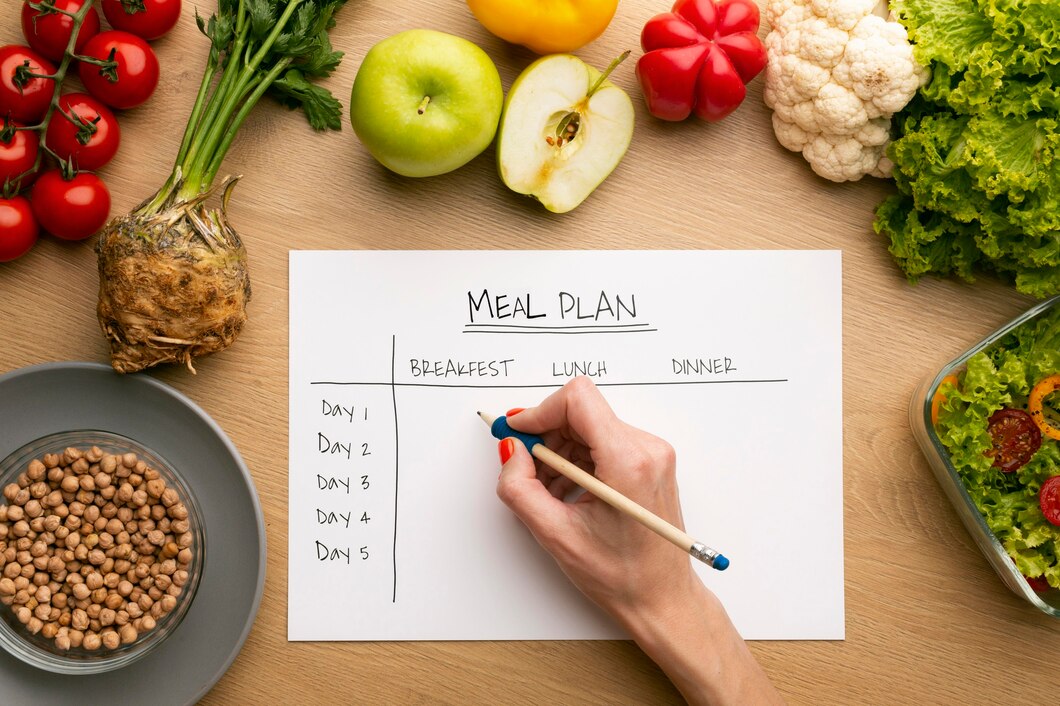
Achieving better health starts with understanding your body’s unique needs. A personalized nutrition plan is one of the most effective ways to improve overall wellness, manage weight, build muscle, increase energy levels, and support long-term health. Unlike generic diets that offer the same recommendations to everyone, personalized nutrition focuses on your specific body type, lifestyle, activity level, preferences, and health objectives. Whether your goal is weight loss, muscle gain, improved athletic performance, or better overall well-being, creating a tailored approach to nutrition can help you achieve lasting results.
Understanding how to create a personalized nutrition plan allows you to make informed decisions about food and develop sustainable habits that fit your lifestyle. A well-designed nutrition plan for health goals considers factors such as calorie needs, macronutrients, micronutrients, and individual dietary requirements. By following a structured yet flexible approach, you can create a custom nutrition plan that supports your personal journey toward better health and wellness.
What Is a Personalized Nutrition Plan?
A personalized nutrition plan is a customized eating strategy designed to meet an individual’s unique nutritional requirements and health objectives. Unlike one-size-fits-all diets, a personalized diet plan takes into account factors such as:
- Age
- Gender
- Weight
- Height
- Activity level
- Medical history
- Food preferences
- Allergies and intolerances
- Fitness goals
The purpose of personalized nutrition is to provide the right balance of nutrients needed to support specific nutrition goals while promoting overall health.
A customized nutrition plan for overall wellness focuses on providing the body with adequate nutrients while ensuring the plan remains realistic and sustainable over time.
Why Personalized Nutrition Matters
Every person processes food differently. Factors such as metabolism, genetics, lifestyle habits, and physical activity can influence nutritional needs. This is why personalized nutrition has become increasingly popular among health professionals and wellness experts.
Benefits of a personalized approach include:
- Better weight management
- Improved energy levels
- Enhanced athletic performance
- Increased muscle growth
- Reduced risk of nutrient deficiencies
- Improved digestion
- Better blood sugar control
- Long-term sustainability
A healthy nutrition plan tailored to your needs can help you stay consistent and achieve meaningful results.
Step 1: Conduct a Nutrition Assessment
The first step in how to create a personalized nutrition plan for your health goals is performing a comprehensive nutrition assessment.
A nutrition assessment helps identify your current dietary habits and nutritional status.
Consider the following questions:
What Are Your Current Eating Habits?
Track your meals for several days and note:
- Meal timing
- Portion sizes
- Snack frequency
- Water intake
- Consumption of processed foods
What Are Your Health Conditions?
Certain medical conditions may affect your nutritional needs, including:
- Diabetes
- Hypertension
- Heart disease
- Digestive disorders
- Food allergies
What Is Your Activity Level?
Your energy expenditure significantly impacts your nutritional requirements.
Activity levels may include:
- Sedentary
- Lightly active
- Moderately active
- Very active
- Athlete
A thorough nutrition assessment serves as the foundation for effective nutrition planning for better health.
Step 2: Define Your Health and Wellness Goals
Before creating a nutrition plan, it’s important to identify your specific health and wellness goals.
Examples of health and wellness goals include:
Weight Loss
If your goal is weight management, a personalized nutrition plan for weight loss should focus on creating a moderate calorie deficit while maintaining nutrient intake.
Muscle Gain
A personalized nutrition plan for muscle gain should emphasize increased protein intake and adequate calories to support muscle growth.
Improved Energy
Balanced meals rich in complex carbohydrates, protein, and healthy fats can improve daily energy levels.
Better Overall Wellness
A best personalized nutrition plan for healthy living prioritizes nutrient density, variety, and sustainable habits.
Clearly defined nutrition goals make it easier to measure progress and stay motivated.
Step 3: Calculate Your Calorie Needs
Understanding your calorie needs is essential when creating a personalized diet plan.
Calories provide the energy required for:
- Breathing
- Digestion
- Physical activity
- Cellular function
Factors Affecting Calorie Needs
Several factors influence daily calorie requirements:
- Age
- Gender
- Body composition
- Activity level
- Metabolism
Calorie Recommendations by Goal
Diet Plan for Weight Loss
Consume fewer calories than you burn.
A moderate deficit of 300-500 calories daily is often recommended.
Diet Plan for Muscle Gain
Consume slightly more calories than maintenance levels to support muscle growth.
Maintenance
Match calorie intake with daily energy expenditure.
Understanding calorie requirements is one of the most important steps in how to build a nutrition plan based on your goals.
Step 4: Balance Your Macronutrients
Once calorie needs are established, focus on macronutrients.
Macronutrients include:
- Protein
- Carbohydrates
- Fats
Each plays a unique role in a balanced nutrition plan.
Protein
Protein supports:
- Muscle repair
- Growth
- Immune function
- Satiety
Sources include:
- Chicken
- Fish
- Eggs
- Greek yogurt
- Tofu
- Lentils
- Beans
Protein for Muscle Gain
A personalized nutrition plan for muscle gain typically includes higher protein intake to support recovery and growth.
Carbohydrates
Carbohydrates are the body’s primary energy source.
Healthy sources include:
- Whole grains
- Oats
- Brown rice
- Fruits
- Vegetables
- Legumes
Carbohydrates are especially important for active individuals and athletes.
Healthy Fats
Healthy fats support:
- Hormone production
- Brain health
- Nutrient absorption
Good sources include:
- Avocados
- Nuts
- Seeds
- Olive oil
- Fatty fish
Balancing macronutrients is essential for building a healthy eating plan that supports long-term success.
Step 5: Prioritize Micronutrients
While calories and macronutrients are important, micronutrients play a crucial role in maintaining health.
Micronutrients include:
- Vitamins
- Minerals
- Trace elements
Common micronutrient-rich foods include:
Vitamin-Rich Foods
- Citrus fruits
- Bell peppers
- Leafy greens
Mineral-Rich Foods
- Nuts
- Seeds
- Dairy products
- Whole grains
Antioxidant Sources
- Berries
- Tomatoes
- Dark leafy vegetables
Including a variety of nutrient-rich foods helps prevent deficiencies and supports optimal health.
Step 6: Understand Your Dietary Requirements
Individual dietary requirements vary significantly.
Examples include:
Vegetarian Diet
Focus on:
- Legumes
- Tofu
- Dairy
- Whole grains
Vegan Diet
Include:
- Plant-based proteins
- Fortified foods
- Vitamin B12 sources
Gluten-Free Diet
Choose:
- Rice
- Quinoa
- Gluten-free oats
Low-Sodium Diet
Prioritize:
- Fresh foods
- Herbs and spices
Recognizing your specific dietary needs helps create a truly customized meal plan.
Step 7: Create a Personalized Meal Plan
One of the most important parts of how to develop a personalized meal plan is organizing meals around your nutritional needs.
Breakfast
Examples:
- Oatmeal with berries
- Greek yogurt with nuts
- Vegetable omelet
Lunch
Examples:
- Grilled chicken salad
- Quinoa bowl
- Lentil soup
Dinner
Examples:
- Salmon with vegetables
- Brown rice and tofu stir-fry
- Turkey and sweet potatoes
Snacks
Examples:
- Fruit
- Nuts
- Cottage cheese
- Hummus and vegetables
A well-designed personalized meal plan provides structure while allowing flexibility.
Step 8: Practice Portion Control
Even healthy foods can contribute to excess calorie intake when portions are too large.
Effective portion control strategies include:
- Using smaller plates
- Measuring servings
- Eating slowly
- Paying attention to hunger cues
Portion awareness supports both a diet plan for weight loss and a diet plan for muscle gain.
Step 9: Focus on Nutrient-Rich Foods
The quality of food matters as much as quantity.
Choose nutrient-rich foods such as:
Fruits
- Apples
- Berries
- Oranges
Vegetables
- Broccoli
- Spinach
- Carrots
Lean Proteins
- Chicken
- Fish
- Eggs
Whole Grains
- Brown rice
- Oats
- Quinoa
Healthy Fats
- Avocados
- Nuts
- Seeds
Making healthy food choices consistently improves overall nutrition quality.
Step 10: Meal Preparation for Success
Consistent meal preparation helps maintain healthy eating habits.
Benefits include:
- Saves time
- Reduces unhealthy food choices
- Supports portion control
- Improves consistency
Meal Prep Tips
- Plan meals weekly
- Shop with a grocery list
- Batch cook proteins
- Prepare vegetables in advance
- Store meals in portioned containers
Meal preparation is a cornerstone of successful dietary planning.
Step 11: Track Your Progress
Monitoring progress helps determine whether your nutrition plan is working.
Methods include:
Nutrition Tracking Apps
Track:
- Calories
- Protein
- Water intake
- Nutrient intake
Body Measurements
Monitor:
- Weight
- Waist circumference
- Muscle mass
Performance Indicators
Evaluate:
- Strength gains
- Energy levels
- Endurance
- Recovery
Regular nutrition tracking allows for adjustments when necessary.
Sample Personalized Nutrition Plan for Weight Loss
A personalized nutrition plan for weight loss may include:
Breakfast
Oatmeal with berries and almonds
Snack
Apple with peanut butter
Lunch
Grilled chicken salad
Snack
Greek yogurt
Dinner
Baked salmon with vegetables
Hydration
2–3 liters of water daily
This approach emphasizes nutrient density and controlled calorie intake.
Sample Personalized Nutrition Plan for Muscle Gain
A personalized nutrition plan for muscle gain may include:
Breakfast
Eggs, whole-grain toast, and fruit
Snack
Protein smoothie
Lunch
Chicken, rice, and vegetables
Snack
Greek yogurt and nuts
Dinner
Salmon, sweet potatoes, and greens
Post-Workout
Protein-rich recovery meal
This plan focuses on adequate calories and protein to support muscle growth.
Common Mistakes to Avoid
When creating a custom nutrition plan, avoid:
Skipping Meals
This can lead to overeating later.
Ignoring Micronutrients
Vitamins and minerals are essential for overall health.
Unrealistic Restrictions
Overly strict diets are difficult to maintain.
Poor Hydration
Water supports digestion, metabolism, and performance.
Lack of Planning
Effective nutrition planning requires consistency and preparation.
Building Sustainable Eating Habits
The most successful nutrition plans prioritize long-term adherence.
Develop sustainable eating habits by:
- Making gradual changes
- Practicing mindful eating
- Allowing flexibility
- Focusing on progress over perfection
A sustainable approach supports a lifelong healthy lifestyle.
How Nutrition Supports Different Health Goals
Weight Management
A structured personalized healthy eating plan for beginners helps manage calorie intake and food quality.
Muscle Development
Proper protein and calorie intake support muscle growth and recovery.
Heart Health
A balanced diet rich in fruits, vegetables, and healthy fats promotes cardiovascular wellness.
Energy and Productivity
Balanced meals help maintain steady energy levels throughout the day.
Disease Prevention
Healthy eating patterns can reduce the risk of chronic diseases.
The Role of Healthy Lifestyle Habits
Nutrition works best when combined with other healthy behaviors.
Support your healthy lifestyle with:
- Regular exercise
- Quality sleep
- Stress management
- Adequate hydration
- Consistent meal schedules
Together, these habits strengthen your overall nutrition strategy.
Personalizing Nutrition for Long-Term Success
The key to success is recognizing that nutrition is not one-size-fits-all. A personalized approach allows you to adjust your eating habits as your goals, lifestyle, and circumstances change.
Whether your objective is weight loss, muscle gain, improved performance, or better overall wellness, a customized meal plan should evolve with your progress.
By regularly assessing results and refining your nutrition strategy, you can continue moving toward your desired outcomes.
Conclusion
Learning how to create a personalized nutrition plan for your health goals is one of the most effective steps you can take toward lasting wellness. A successful personalized nutrition plan begins with a thorough nutrition assessment, clear nutrition goals, an understanding of calorie needs, and the right balance of macronutrients and micronutrients. By focusing on healthy food choices, portion control, meal preparation, and ongoing nutrition tracking, you can create a healthy nutrition plan that aligns with your unique needs.
Whether you need a personalized nutrition plan for weight loss, a personalized nutrition plan for muscle gain, or a customized nutrition plan for overall wellness, consistency and sustainability are the keys to success. With thoughtful dietary planning, balanced nutrition, and healthy habits, you can build a strong foundation for lifelong health and achieve your most important health and wellness goals.
About the Author