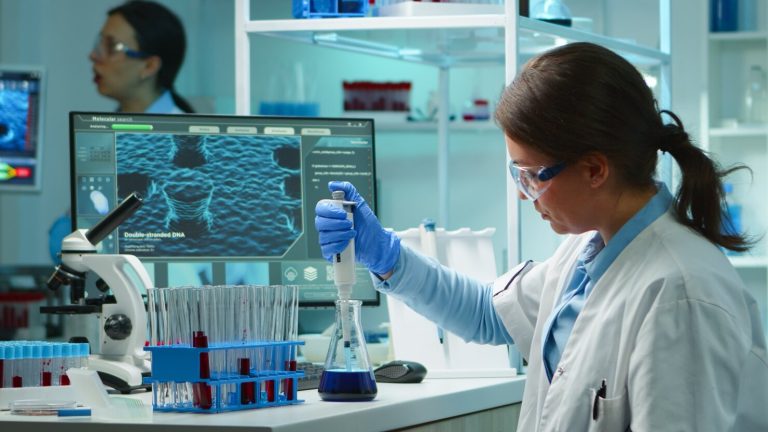
The Future of gut health research is reshaping modern medicine by revealing the powerful connection between the digestive system and overall health. Advances in Gut health research, Gut microbiome research, and Microbiome science are helping scientists understand how trillions of microorganisms living in the digestive tract influence immunity, metabolism, brain function, and disease prevention. As researchers explore the Future of gut microbiome, innovative approaches such as Personalized gut health, Gut microbiome therapy, and Precision medicine and gut health are becoming more realistic than ever. From groundbreaking Gut health advancements and Gut health technology to new Gut health solutions, these discoveries are transforming Gut health and healthcare. Understanding How the future of gut health research will transform healthcare can help individuals appreciate the growing importance of maintaining a Healthy gut microbiome for lifelong wellness.
Introduction
Healthcare has traditionally focused on treating symptoms after diseases develop. However, recent scientific discoveries are shifting attention toward prevention, early diagnosis, and personalized treatment. One of the most exciting areas driving this transformation is the study of the gut microbiome.
The human digestive system contains trillions of microorganisms, including bacteria, fungi, viruses, and other microbes that work together to support digestion, immunity, and many essential bodily functions. Collectively known as the Human microbiome, these microorganisms play a vital role in maintaining health.
As Gut microbiome research continues to advance, scientists are uncovering how the balance of these microbes influences everything from digestive disorders to heart disease, diabetes, obesity, allergies, and even mental health. The future promises revolutionary healthcare solutions built around understanding and improving the gut microbiome.
Understanding the Gut Microbiome
The gut microbiome refers to the community of microorganisms that live primarily in the large intestine. These microbes include beneficial bacteria, sometimes referred to as Gut flora, that help maintain digestive balance and protect against harmful pathogens.
A healthy gut microbiome performs several important functions:
- Digests certain foods the body cannot break down alone
- Produces essential vitamins
- Supports immune function
- Protects against harmful bacteria
- Helps regulate metabolism
- Influences hormone production
- Communicates with the brain
Modern Gut microbiota research has shown that maintaining this delicate balance is critical for overall health.
Why Gut Health Research Matters
Scientists once believed that the digestive system’s primary job was simply to digest food. Today, Gut health research demonstrates that gut microbes influence nearly every major system in the body.
Research suggests connections between gut health and:
- Immune system function
- Brain health
- Weight management
- Heart health
- Skin conditions
- Autoimmune diseases
- Diabetes
- Cancer prevention
- Healthy aging
These discoveries are transforming Gut health and healthcare by encouraging prevention rather than simply treating illness.
The Evolution of Gut Microbiome Research
The field of Gut microbiome research has grown rapidly over the past two decades.
Earlier studies focused mainly on identifying bacteria. Today’s researchers use advanced DNA sequencing technologies to understand how microorganisms interact with one another and influence human health.
Modern Microbiome science now examines:
- Genetic activity of gut microbes
- Chemical compounds produced by bacteria
- Communication between microbes
- Interaction with medications
- Influence on disease development
These advances provide deeper insight into the Future of gut microbiome research.
How Gut Microbiome Affects Overall Health
One of the biggest discoveries in recent years is How gut microbiome affects overall health.
A balanced microbiome contributes to numerous bodily functions beyond digestion.
Immune System Support
Approximately 70% of the immune system is associated with the digestive tract.
Beneficial bacteria help:
- Train immune cells
- Reduce harmful pathogens
- Prevent excessive immune responses
- Lower chronic inflammation
This explains the growing interest in Inflammation and gut health.
Brain Function
The gut and brain communicate continuously through the gut-brain axis.
Researchers have discovered that gut bacteria influence:
- Mood
- Stress responses
- Sleep quality
- Memory
- Cognitive function
This connection has sparked interest in using microbiome-based therapies for neurological conditions.
Metabolism
Gut bacteria influence:
- Blood sugar regulation
- Fat storage
- Appetite hormones
- Energy production
These findings may improve future obesity and diabetes treatments.
The Role of Gut Bacteria in Healthcare
Understanding The role of gut bacteria in healthcare is changing how doctors view disease prevention.
Healthy bacteria:
- Protect against infections
- Support digestion
- Produce beneficial compounds
- Reduce harmful inflammation
- Maintain intestinal barrier integrity
When microbial balance is disrupted, known as dysbiosis, health problems may develop.
Future healthcare will likely include routine microbiome assessments alongside traditional medical tests.
Latest Advancements in Gut Health Research
The Latest advancements in gut health research are driven by improvements in biotechnology, artificial intelligence, and genetic sequencing.
Important developments include:
Advanced DNA Sequencing
Scientists can now identify thousands of microbial species within hours.
This allows researchers to detect patterns associated with various diseases.
Artificial Intelligence
AI helps analyze enormous microbiome datasets.
Researchers can predict:
- Disease risk
- Treatment response
- Microbial interactions
- Personalized nutrition recommendations
Biomarker Discovery
Scientists continue identifying microbial biomarkers that may predict disease years before symptoms appear.
Early detection could significantly improve patient outcomes.
Personalized Medicine Through Gut Microbiome Research
One of the most exciting applications is Personalized medicine through gut microbiome research.
Instead of treating everyone similarly, future healthcare may customize treatments based on each person’s microbiome.
Examples include:
- Personalized nutrition plans
- Individual probiotic recommendations
- Customized medications
- Disease risk prediction
- Tailored preventive care
This approach supports Personalized gut health.
Precision Medicine and Gut Health
Precision medicine and gut health combine genetics, lifestyle, and microbiome analysis to create individualized healthcare strategies.
Doctors may eventually use microbiome profiles to determine:
- Best medications
- Ideal diets
- Disease susceptibility
- Immune responses
- Recovery plans
Such personalized care may improve treatment effectiveness while reducing side effects.
Gut Health Technology Is Advancing Rapidly
Modern Gut health technology continues to revolutionize digestive healthcare.
Innovations include:
- At-home microbiome testing kits
- AI-powered health tracking
- Smart nutrition platforms
- Digital health monitoring
- Wearable digestive sensors
These advanced technologies enable ongoing health monitoring instead of relying solely on periodic assessments.
Future Innovations in Digestive Health
The Future innovations in digestive health promise exciting possibilities.
Scientists are developing:
Smart Probiotics
Engineered bacteria may someday deliver medications directly inside the gut.
Microbiome-Based Drugs
Future medicines may target harmful microbes without affecting beneficial bacteria.
Microbial Transplants
Researchers continue improving microbiome transplantation techniques for difficult digestive diseases.
Personalized Supplements
Future supplements could be tailored to individual microbial profiles.
These innovations represent major Gut health advancements.
Gut Microbiome Therapy
Gut microbiome therapy is becoming an important area of medical research.
Potential therapies include:
- Probiotic treatments
- Prebiotic nutrition
- Microbiome transplantation
- Targeted antibiotics
- Engineered beneficial bacteria
These therapies aim to restore microbial balance instead of simply treating symptoms.
Benefits of Gut Microbiome Research
The Benefits of gut microbiome research extend across many healthcare fields.
Potential benefits include:
- Earlier disease detection
- Improved digestive health
- Better immune function
- Personalized treatments
- Reduced healthcare costs
- More effective medications
- Better mental health support
- Improved chronic disease management
The future of medicine increasingly depends on understanding the microbiome.
Gut Health Research for Disease Prevention
Preventing disease before symptoms appear is becoming a central healthcare goal.
Gut health research for disease prevention explores how microbial changes occur years before illnesses develop.
Researchers are studying prevention strategies for:
- Diabetes
- Colorectal cancer
- Inflammatory bowel disease
- Cardiovascular disease
- Obesity
- Autoimmune disorders
Early intervention may dramatically improve long-term health outcomes.
Emerging Trends in Gut Health Research
Several Emerging trends in gut health research are expected to shape healthcare over the coming decade.
Microbial Diversity
Maintaining Microbial diversity appears essential for long-term health.
Greater diversity often correlates with better immune function and resilience.
Nutrition-Based Therapies
Food is becoming recognized as an important therapeutic tool.
Researchers continue studying diets that naturally support beneficial microbes.
Multi-Omics Research
Scientists combine genetic, metabolic, microbial, and protein data to understand disease more completely.
Digital Healthcare Integration
Microbiome data may eventually become part of routine electronic health records.
Probiotics and Prebiotics
Among the most widely discussed areas are Probiotics and prebiotics.
Probiotics
These are beneficial live microorganisms that support gut balance.
Common sources include:
- Yogurt
- Kefir
- Fermented vegetables
- Kimchi
- Miso
Prebiotics
These are fibers that feed beneficial bacteria.
Examples include:
- Garlic
- Onions
- Bananas
- Asparagus
- Oats
Together, they help maintain a Healthy gut microbiome.
Gut Health Innovations Beyond Medicine
Many Gut health innovations extend into nutrition, agriculture, and wellness industries.
Future products may include:
- Personalized functional foods
- Customized meal plans
- Microbiome-friendly beverages
- AI nutrition coaching
- Precision supplements
Consumers will likely see far more microbiome-based products in everyday life.
Digestive Wellness Starts with Daily Habits
Although research continues advancing, maintaining Digestive wellness still depends on healthy lifestyle choices.
Daily habits include:
- Eating fiber-rich foods
- Staying hydrated
- Exercising regularly
- Sleeping well
- Managing stress
- Limiting highly processed foods
- Avoiding unnecessary antibiotics
These simple actions help maintain microbial balance.
Gut Health Trends Shaping the Future
Several important Gut health trends are gaining attention worldwide.
These include:
- Personalized nutrition
- Home microbiome testing
- Functional foods
- Precision healthcare
- AI-assisted diagnostics
- Microbiome-targeted therapies
- Preventive medicine
Healthcare systems increasingly recognize gut health as a cornerstone of wellness.
Challenges Facing Future Gut Health Research
Despite impressive progress, researchers continue facing several challenges.
These include:
- Individual microbiome differences
- Complex microbial interactions
- Long-term clinical studies
- Standardized testing methods
- Ethical data management
- Affordable healthcare access
Overcoming these challenges will help maximize future medical benefits.
What This Means for Patients
As research advances, patients may experience:
- Earlier diagnoses
- More personalized treatments
- Better digestive care
- Reduced medication side effects
- Improved chronic disease prevention
- Better nutritional guidance
- Enhanced quality of life
Healthcare will become increasingly proactive rather than reactive.
Practical Ways to Support Your Gut Today
While scientists continue exploring the Future of gut microbiome, you can support your gut health now by:
- Eating more fruits and vegetables
- Including fermented foods in your diet
- Consuming adequate dietary fiber
- Drinking enough water
- Exercising regularly
- Managing stress effectively
- Sleeping 7–9 hours each night
- Limiting ultra-processed foods
- Avoiding smoking
- Using antibiotics only when medically necessary
These habits encourage a healthier gut microbiome and contribute to overall well-being.
The Future Outlook
The next decade will likely bring remarkable breakthroughs in Gut health discoveries. As technology, artificial intelligence, and microbiology continue to evolve, healthcare professionals will gain deeper insights into how gut microbes influence nearly every aspect of human health. The Future of gut microbiome research may lead to routine microbiome screenings, highly personalized dietary plans, microbiome-based medications, and innovative therapies that improve disease prevention and treatment. These developments have the potential to redefine Microbiome healthcare, making care more precise, preventive, and patient-centered.
Conclusion
The Future of gut health research represents one of the most exciting frontiers in modern medicine. Ongoing Gut health research, Gut microbiome research, and advances in Microbiome science are revealing the essential role that the Human microbiome plays in immunity, metabolism, mental health, and disease prevention. From Gut microbiome therapy and Personalized gut health to Precision medicine and gut health, these innovations are paving the way for more effective and individualized healthcare. As scientists continue exploring How gut microbiome affects overall health, developing new Gut health technology, and uncovering valuable Gut health discoveries, patients can look forward to improved prevention, earlier diagnosis, and better treatment options. By embracing healthy lifestyle habits that support a Healthy gut microbiome, individuals can benefit from today’s knowledge while preparing for the healthcare advancements of tomorrow.
About the Author