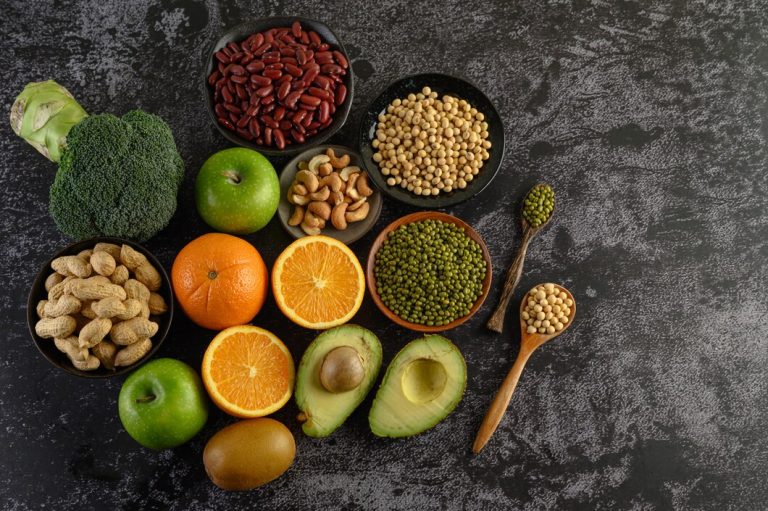
Biohacking your diet is about making intentional nutrition choices that help your body and mind perform at their best. Rather than following every new food trend, diet biohacking focuses on understanding how different foods, meal patterns, hydration habits, and nutrients affect your energy and performance. A smart approach to nutrition for energy and nutrition for performance can help you build sustainable routines around biohacking nutrition, performance nutrition, and energy-boosting foods. When you learn how to create a healthy diet for energy, optimize your diet, and use personalized nutrition principles, you can work toward better nutrition optimization, improved focus, and stronger everyday performance.
What Is Diet Biohacking?
Diet biohacking involves experimenting thoughtfully with nutrition habits to understand what works best for your body, lifestyle, and goals.
The concept does not mean following an extreme diet or consuming expensive supplements. In many cases, effective biohacking nutrition starts with basic principles: eating nutritious foods, getting enough protein and fiber, staying hydrated, choosing minimally processed foods, and creating meals that provide steady energy.
People may use diet biohacking to support different goals, including:
- Better daily energy
- Improved exercise performance
- Greater concentration
- More consistent eating habits
- Better recovery after physical activity
- Improved metabolic health
- Healthier body composition
- More stable hunger levels
The most useful approach is personal rather than universal. A meal plan that works well for one person may not produce the same results for another.
That is why personalized nutrition is an important part of nutrition optimization.
How Nutrition Affects Energy Levels
Understanding how nutrition affects energy levels begins with understanding where your body gets fuel.
Carbohydrates, fats, and proteins all contribute to energy metabolism, although they perform different roles. Carbohydrates can provide readily available fuel, fats are an important energy source, and protein is essential for maintaining and repairing body tissues.
The quality, quantity, and timing of food can influence how energized you feel.
For example, a meal containing refined carbohydrates without much protein or fiber may be less filling for some people than a meal combining whole grains, vegetables, protein, and healthy fats.
This does not mean that one food automatically creates or eliminates fatigue. Energy levels are influenced by many factors, including sleep, hydration, stress, activity, overall diet, and individual health.
A practical diet for better energy therefore focuses on overall patterns rather than searching for one magical ingredient.
Nutrition for Energy: Build Meals That Last
A major goal of nutrition for energy is avoiding an eating pattern that leaves you hungry again shortly after a meal.
One useful strategy is to combine several nutrient groups in the same meal.
For example, a balanced meal might include:
- A protein source
- A high-fiber carbohydrate
- Vegetables or fruit
- A source of healthy fats
- Water or another appropriate beverage
This combination can provide a broader range of nutrients while helping create a more satisfying meal.
Foods such as beans, lentils, oats, whole grains, vegetables, fruits, nuts, seeds, tofu, and other protein-rich foods can all have a place in a healthy diet for energy.
The exact combination should reflect your preferences and dietary needs.
Energy-Boosting Foods Worth Including
When people search for energy-boosting foods, they often expect one food to provide an immediate solution to tiredness.
In reality, sustained energy usually comes from the overall quality and structure of your diet.
Useful choices can include:
Oats
Oats provide carbohydrates and fiber and can make a practical breakfast or pre-activity meal.
Bananas
Bananas provide carbohydrates and are convenient before or after physical activity.
Beans and lentils
Legumes provide protein, carbohydrates, fiber, and several micronutrients.
Nuts and seeds
Nuts and seeds provide healthy fats, protein, and other nutrients. Because they are energy-dense, portion size can matter depending on your goals.
Leafy greens
Greens provide vitamins, minerals, fiber, and plant compounds that contribute to an overall nutritious eating pattern.
Whole grains
Brown rice, quinoa, whole-wheat foods, oats, and other whole grains can contribute carbohydrates and fiber.
Fruits
Fruits provide carbohydrates, fiber, fluids, vitamins, minerals, and various beneficial plant compounds.
The best foods for energy are not necessarily exotic. Consistent access to nutritious everyday foods can be more valuable than constantly searching for new “superfoods.”
Nutrition for Performance
Nutrition for performance becomes particularly important when physical activity is a major part of your lifestyle.
Exercise increases the body’s need for energy and nutrients. The right nutrition strategy can support training, recovery, and the ability to perform repeated sessions.
A performance-focused diet should generally provide enough total energy and a suitable balance of carbohydrates, protein, fats, vitamins, minerals, and fluids.
Carbohydrates can be particularly useful for activities that rely heavily on higher-intensity energy demands. Protein supports muscle repair and adaptation. Dietary fats contribute energy and support important physiological functions.
This is why performance nutrition should not focus on removing an entire nutrient category without a clear reason.
Instead, it should focus on getting the right nutrients in appropriate amounts for your activity and goals.
How to Optimize Your Diet for Performance
If you want to understand how to optimize your diet for performance, start with the fundamentals.
1. Eat enough
Under-fueling can make it difficult to train effectively and recover well.
2. Prioritize protein
Include suitable protein sources throughout the day.
3. Use carbohydrates strategically
Carbohydrates can be particularly valuable around demanding physical activity.
4. Include healthy fats
Nuts, seeds, avocados, and suitable plant oils can contribute healthy fats to meals.
5. Stay hydrated
Fluid requirements vary depending on body size, climate, activity, and sweat losses.
6. Eat consistently
Long gaps between meals may make it harder for some people to maintain energy and concentration.
7. Support recovery
After challenging activity, a meal or snack containing protein and carbohydrates can help support recovery.
These principles form a stronger foundation than relying on complicated diet hacks.
Biohacking Nutrition for Better Energy
Biohacking nutrition for better energy should focus on identifying the habits that consistently improve how you feel.
Start by observing your routine.
Notice how you feel after different breakfasts. Compare a balanced meal with a highly sugary snack. Pay attention to how hydration affects your concentration. Observe whether eating a large meal at lunchtime makes you sluggish compared with a moderate meal.
You can keep a simple food and energy journal.
Record:
- What you ate
- Approximate meal time
- Physical activity
- Hydration
- Energy levels
- Hunger
- Focus
- Sleep quality
The purpose is not to obsess over every calorie or nutrient. Instead, you are looking for patterns.
If a particular eating pattern repeatedly leaves you feeling energized and satisfied, it may be worth keeping.
Personalized Nutrition Is Different for Everyone
There is no single best diet for sustained energy and performance for every person.
An endurance athlete, office worker, strength-training enthusiast, older adult, and busy student may have very different nutritional requirements.
Food preferences, allergies, cultural eating patterns, activity levels, schedules, and health considerations can also influence what works.
This makes personalized nutrition for better performance particularly valuable.
Instead of asking, “What is the perfect diet?”
Ask:
“What type of eating routine can help me get the nutrients I need while supporting consistent performance?”
That question creates a much more practical foundation.
How to Build a High-Performance Diet
Learning how to build a high-performance diet starts with creating meals around nutrient-dense foods.
A simple framework is:
Protein: Include a suitable source such as lentils, beans, tofu, tempeh, dairy or eggs if they fit your diet, fish or poultry if you eat them, or another appropriate protein source.
Carbohydrates: Choose foods such as oats, rice, potatoes, whole grains, fruit, beans, or other carbohydrate-rich foods.
Vegetables and fruit: Add variety to increase your intake of fiber and micronutrients.
Healthy fats: Include nuts, seeds, avocado, or suitable oils.
Fluids: Drink enough to support normal hydration.
This structure can be adjusted depending on your goals.
Someone preparing for a long endurance event may need a different carbohydrate strategy from someone focused primarily on strength training.
Foods That Improve Energy and Focus
Searching for foods that improve energy and focus can lead people toward supplements and highly processed products marketed as instant solutions.
However, basic nutrition still matters most.
Foods that provide carbohydrates, protein, healthy fats, vitamins, minerals, and fiber can contribute to a diet that supports normal brain and body function.
Some practical choices include:
- Oatmeal with fruit and nuts
- Whole-grain toast with a protein-rich topping
- Lentil or bean bowls
- Fruit with nuts or seeds
- Vegetable and tofu stir-fries
- Greek yogurt with fruit, where appropriate
- Rice with vegetables and a protein source
- Smoothies containing fruit and a suitable protein source
Caffeine can also temporarily increase alertness for many adults, but relying heavily on caffeine to compensate for poor sleep or inadequate nutrition is not a sustainable performance strategy.
Diet Strategies for Peak Performance
Effective diet strategies for peak performance should fit into your actual lifestyle.
If your nutrition plan requires cooking complicated meals five times a day, it may be difficult to maintain.
Instead, create systems that make healthy choices convenient.
Prepare ingredients in advance.
Keep nutritious snacks available.
Batch-cook staple foods.
Carry food when you expect to be away from home for several hours.
Plan meals around your training schedule.
This approach reduces the likelihood of making food decisions when you are extremely hungry or rushed.
Good nutrition is not just about knowing what to eat. It is also about creating an environment where nutritious choices are easier to make.
Nutrition Habits for Better Energy
Small nutrition habits for better energy can have a meaningful impact when practiced consistently.
Eat a nutritious breakfast if it suits your routine
A breakfast containing protein, carbohydrates, and fiber can provide a satisfying start to the day.
Do not ignore hydration
Mild dehydration can contribute to feelings of fatigue or reduced physical performance in some circumstances.
Include protein regularly
Distributing protein across meals can make it easier to meet your daily needs.
Choose high-fiber foods
Fiber-rich foods can support digestive health and contribute to meal satisfaction.
Keep convenient nutritious snacks available
Fruit, nuts, seeds, roasted legumes, or other suitable foods can make better choices easier when hunger appears.
Avoid depending on energy drinks
These products can provide caffeine and sometimes substantial amounts of sugar, but they should not substitute for adequate sleep, food, and hydration.
Metabolic Health and Diet Biohacking
Metabolic health is another important part of diet biohacking.
Metabolism involves the complex processes through which the body converts and uses energy. Supporting metabolic health involves more than a single food or supplement.
A nutritious eating pattern, regular physical activity, sufficient sleep, stress management, and maintaining an appropriate body composition can all contribute to overall health.
Dietary patterns emphasizing vegetables, fruits, legumes, whole grains, nuts, seeds, and other minimally processed foods can provide a wide range of nutrients.
Rather than chasing dramatic metabolic “hacks,” focus on sustainable habits.
The best nutrition optimization strategy is often the one you can continue for years.
How to Biohack Your Diet Without Going to Extremes
People often ask how to biohack your diet as though there is a secret formula for transforming performance overnight.
A better approach is to experiment responsibly.
Change one variable at a time.
For example, if you normally eat a low-protein breakfast, try adding a suitable protein source for several weeks and observe whether it affects hunger and energy.
If you frequently forget to drink fluids during workouts, establish a hydration routine and observe how it affects your sessions.
If late-night snacking is affecting your routine, examine your daytime meals and evening habits rather than simply banning food after a certain hour.
The goal is to collect useful information about your habits.
How to Improve Physical Performance Through Nutrition
Understanding how to improve physical performance through nutrition requires matching food intake with training demands.
Before exercise, many people benefit from foods that provide carbohydrates and are relatively easy to digest.
During prolonged or demanding exercise, additional carbohydrate and fluids may be useful depending on the activity.
After training, protein and carbohydrates can support recovery.
The exact requirements depend heavily on the type, intensity, and duration of exercise.
For example, a casual gym session and a multi-hour endurance event create very different nutritional demands.
This is why performance nutrition should be personalized rather than copied directly from another athlete.
Timing Your Meals Around Exercise
Meal timing can be useful, but it should not become an obsession.
If you are training in the morning, you might prefer a light snack beforehand if a full meal feels uncomfortable.
If you exercise later in the day, you can organize meals so that you have enough time to digest before training.
After exercise, eating a balanced meal can help replenish energy and provide protein for recovery.
The key is finding a routine that supports your performance without making food stressful.
Your overall nutritional pattern matters more than trying to perfectly time every bite.
Healthy Eating for Performance
Healthy eating for performance does not mean eating perfectly.
There will be busy days, celebrations, restaurant meals, travel, and occasions when your food choices are different from your normal routine.
A high-performance approach should allow flexibility.
Instead of labeling foods as completely “good” or “bad,” consider how they fit into your overall eating pattern.
A nutritious diet can include enjoyable foods.
The goal is to make nutrient-dense foods the foundation while allowing room for personal preferences.
This flexible approach is usually easier to maintain than highly restrictive plans.
Nutrition and Performance: Look Beyond Food
Nutrition and performance are closely connected, but food is only one part of the performance equation.
Sleep, training quality, recovery, stress, hydration, and mental health also influence how you perform.
Someone who eats an excellent diet but sleeps poorly may still struggle with energy.
Similarly, someone who trains intensely without adequate recovery may experience declining performance despite eating nutritious foods.
Therefore, nutrition optimization should exist within a broader lifestyle strategy.
Think of food as one component of a larger performance system.
Avoid Chasing Every Nutrition Hack
The wellness industry frequently promotes new powders, supplements, diets, fasting protocols, and exotic ingredients.
Some may have evidence supporting specific uses, while others may be based primarily on marketing claims.
A useful rule is:
Do not let a complicated hack distract you from basic nutrition.
Before adding a new supplement or restrictive diet, evaluate whether you are already meeting fundamental needs.
Are you eating enough?
Are you consuming enough protein?
Are you getting a variety of fruits and vegetables?
Are you including appropriate sources of carbohydrates and fats?
Are you hydrated?
Are you sleeping sufficiently?
Are you recovering from exercise?
These questions are often more valuable than searching for a miracle ingredient.
When Supplements May Be Relevant
Supplements can have a role in specific situations, particularly when a person has a documented nutrient deficiency, follows a diet that makes certain nutrients difficult to obtain, or has a performance goal where a particular supplement has evidence behind it.
However, supplements should not automatically replace food.
Some supplements can also interact with medications or be inappropriate for certain health conditions.
If you are considering a supplement for a specific deficiency, medical condition, pregnancy, or athletic performance goal, professional guidance can help determine whether it is appropriate.
The foundation of biohacking nutrition should remain a nutritious overall eating pattern.
Create a Nutrition Experiment
One practical way to begin nutrition optimization is to run a simple personal experiment.
Choose one goal.
For example:
Goal: Improve afternoon energy.
For two weeks, build your lunch around protein, fiber-rich carbohydrates, vegetables, and healthy fats.
Also pay attention to hydration and sleep.
Record your afternoon energy from one to ten.
After two weeks, review your notes.
Did your energy improve?
Did hunger change?
Did your concentration improve?
Did you enjoy the meals enough to continue?
This is a much more useful form of biohacking than randomly changing multiple aspects of your diet at once.
A Sample High-Performance Day
A general example of healthy eating habits for optimal energy could look like this:
Breakfast: Oats with fruit, seeds, and a suitable protein source.
Mid-morning: Fruit with nuts or another nutritious snack.
Lunch: Rice or another whole-grain carbohydrate with lentils or another protein source and plenty of vegetables.
Pre-workout: A convenient carbohydrate-rich snack if needed.
Post-workout: A meal or snack containing protein and carbohydrates.
Dinner: Vegetables with a protein source, carbohydrate-rich food, and a source of healthy fats.
Fluids: Water throughout the day, with additional fluids according to activity and environmental conditions.
This is only an example. A person’s nutritional needs can vary considerably, and portions should be adjusted according to individual requirements and goals.
How to Make Your Diet More Sustainable
The best diet for performance is one you can maintain.
Rather than changing everything at once, make gradual improvements.
Start with one meal.
Then improve your snacks.
Then organize hydration.
Then adjust nutrition around exercise.
This step-by-step process can make dietary changes easier to evaluate and maintain.
You can also create a list of reliable meals that require little preparation.
Having several nutritious options available reduces decision fatigue.
For example, you might maintain a rotation of five breakfasts, five lunches, and five dinners.
Variety can come from changing vegetables, fruits, seasonings, grains, and protein sources.
Nutrition Tips for Peak Physical Performance
These nutrition tips for peak physical performance can help create a strong foundation:
- Eat enough overall. Consistently under-fueling can undermine performance and recovery.
- Prioritize nutrient density. Choose foods that provide substantial nutritional value.
- Include protein regularly. Make protein a consistent part of meals.
- Use carbohydrates strategically. They can be especially useful around demanding exercise.
- Include healthy fats. They contribute essential fatty acids and support normal body functions.
- Stay hydrated. Increase attention to fluids during hot weather and prolonged activity.
- Eat enough fruits and vegetables. Variety helps provide a broad range of nutrients.
- Plan around training. Avoid leaving nutrition completely to chance on demanding training days.
- Support recovery. Provide your body with appropriate food and rest after challenging sessions.
- Keep the plan realistic. A sustainable diet is more valuable than a theoretically perfect plan that you cannot maintain.
The Importance of Listening to Your Body
Biohacking should not mean ignoring your body’s signals.
Hunger, fullness, energy, digestion, exercise performance, and recovery can all provide useful information.
If a particular eating pattern consistently causes discomfort, extreme hunger, fatigue, or poor training performance, it may not be appropriate for you.
Listening to your body does not mean relying only on feelings. It means combining personal observations with sound nutrition principles.
For persistent fatigue, unexplained changes in weight, digestive problems, or other concerning symptoms, it is appropriate to speak with a qualified healthcare professional rather than attempting to solve the issue through diet experiments alone.
Final Thoughts
Biohacking your diet does not require extreme restrictions, expensive products, or complicated nutrition protocols. The most effective form of diet biohacking is often surprisingly simple: eat a varied and nutritious diet, provide your body with enough energy, prioritize protein and fiber-rich foods, choose appropriate carbohydrates and healthy fats, stay hydrated, and adjust your meals around your lifestyle and physical activity.
The principles of nutrition for energy, nutrition for performance, and personalized nutrition can help you move away from one-size-fits-all dieting. By observing how different meals affect your energy, hunger, concentration, exercise, and recovery, you can gradually optimize your diet.
A strong approach to biohacking nutrition for better energy is not about finding a single superfood. It is about building a complete system that supports your body consistently.
Focus on nutrient-dense foods. Create reliable meal routines. Make healthy choices convenient. Match nutrition with your activity level. Give your body enough time to recover. Most importantly, choose strategies that you can sustain.
When these habits come together, nutrition optimization becomes less about chasing the next diet trend and more about creating a practical foundation for long-term nutrition and performance. A well-designed diet can support energy, focus, physical activity, recovery, and overall metabolic health—making smart nutrition one of the most powerful tools available for building a healthier, higher-performing lifestyle.
About the Author