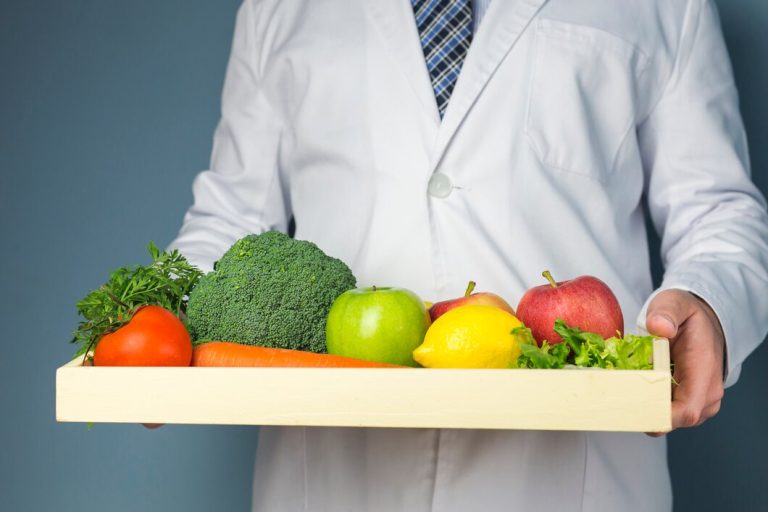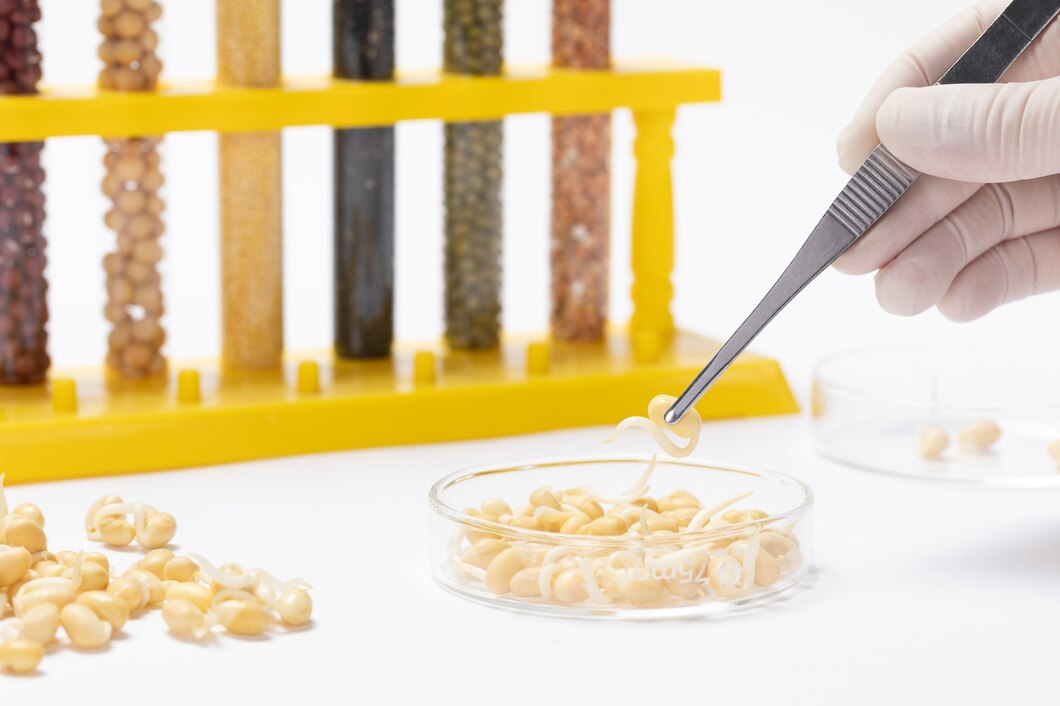
For the entirety of human history, our nutritional needs have been dictated by a “hand of cards” dealt to us at birth. If you were born with a slow metabolism, a high risk for heart disease, or an inability to process gluten, your only option was to spend a lifetime managing those “cards” through restrictive diets and medical interventions. But a biological revolution is underway. CRISPR and nutrition are converging to move us from the era of adaptation to the era of correction. Through gene editing, we are developing the ability to perform metabolic optimization at the source—the DNA itself. We are no longer limited to supplementing what is missing; we are learning how to rewrite the code to ensure nothing is missing in the first place.
What is CRISPR? The Molecular “Search and Replace”
CRISPR (Clustered Regularly Interspaced Short Palindromic Repeats) is a technology derived from the immune systems of bacteria. It acts as a pair of “molecular scissors” guided by a GPS system that can find a specific sequence of DNA and cut it, allow for the removal or replacement of genetic material.
From Laboratory to Lifestyle
While the first generation of CRISPR focused on curing rare, single-gene diseases (like Sickle Cell Anemia), the next frontier is somatic gene therapy for common metabolic traits.
- Somatic vs. Germline: Unlike “designer babies” (germline editing), somatic editing targets existing cells in a living adult (like liver or fat cells) and is not passed down to offspring.
- In-Vivo Editing: This involves injecting the CRISPR “package” directly into the body (often via a harmless virus or lipid nanoparticle) to perform the edit inside the target organ.
CRISPR and Nutrition
The “Perfect Diet” is a temporary workaround for a permanent genetic problem; CRISPR is the only true solution for metabolic resilience.
This is true because human biology is inherently “noisy.” Even with a perfect diet, many individuals cannot overcome their FTO gene modification needs or their baseline inflammatory status. We spend billions of dollars on “heart-healthy” foods and statins to manage a process that could be permanently “off-switched” by a single genetic edit. By using metabolic optimization, we can move the “ceiling” of human health beyond what is possible through lifestyle alone. The goal is to make the body naturally “resistant” to the Western environment.
Consider the PCSK9 editing breakthrough. The PCSK9 gene produces a protein that tells the liver to stop clearing LDL cholesterol. People born with a natural mutation that disables this gene have lifelong “super-low” cholesterol and are virtually immune to heart attacks. Scientists are now using CRISPR to mimic this mutation in adults. A one-time injection “edits” the liver’s PCSK9 gene, permanently lowering cholesterol by 50% or more, regardless of how much steak or butter the person eats. This is the future of gene editing in personalized nutrition—fixing the hardware so the software (diet) doesn’t have to work so hard.
Therefore, the future of CRISPR and nutrition is the transition from “Managing Vulnerability” to “Engineering Immunity.”
Top 3 Metabolic Targets for CRISPR Correction
As we look toward 2030 and beyond, three primary metabolic pathways are at the top of the “Edit List.”
1. The FTO Gene (The Obesity Switch)
The FTO gene is the most significant genetic driver of obesity. It influences appetite, satiety, and how the body decides between burning fat or storing it.
- The Edit: Using CRISPR to “flip the switch” in white fat cells, turning them into energy-burning “beige” fat, effectively increasing the basal metabolic rate permanently.
2. The LCT Gene (Dairy Tolerance)
For the billions of people who are “Lactose Non-Persistent,” dairy causes chronic inflammation.
- The Edit: “Re-activating” the LCT gene in the intestinal lining of an adult, allowing for the lifelong production of the lactase enzyme and the end of lactose intolerance.
3. The SLC22A5 Gene (Carnitine Transport)
Many people struggle with mitochondrial nutrition because they cannot transport fats into their cells for fuel.
- The Edit: Optimizing the carnitine transport proteins via CRISPR to allow for maximum fat-burning efficiency and high-voltage energy production.
Can CRISPR Fix Metabolic Disorders? The Challenges
While the potential is vast, the road to metabolic optimization is fraught with technical and ethical implications of metabolic CRISPR.
- Off-Target Effects: The risk that the CRISPR “scissors” might cut in the wrong place, potentially causing unintended mutations.
- Mosaicism: The possibility that only some cells are edited, leaving the organ in a “half-fixed” state.
- Immune Response: The body’s immune system might attack the Cas9 protein or the delivery vehicle before the edit can be completed.
Ethical Implications: Who Gets to be “Optimized”?
The future of gene editing in personalized nutrition raises profound questions about equity and identity.
- The Wealth Gap: If “metabolic immunity” to heart disease or obesity is only available to the ultra-wealthy, we risk creating a biological caste system.
- Defining “Normal”: Where is the line between fixing a disorder (like Type 1 Diabetes) and enhancing a trait (like athletic performance or cognitive speed)?
How Will CRISPR Nutrition Change Your Life? The Implementation
We are currently in the “Experimental Phase,” but the shift toward mainstream application is accelerating.
Stage 1: The Bio-Hacker Fringe (2025-2030)
Early adopters and those with severe genetic metabolic diseases will lead the way in clinical trials for somatic edits targeting cholesterol and rare lipid disorders.
Stage 2: The Clinical Standard (2035-2040)
As safety data accumulates, “Metabolic Correction” procedures will become a standard option for those at high risk of lifestyle-driven diseases, moving away from “pill-a-day” medicine.
Stage 3: The Optimized Human (2045+)
Metabolic edits become a routine part of adult “maintenance,” similar to how we view vaccines or dental care today—correcting the “errors” of evolution to fit our modern environment.
Future of Gene Editing in Personalized Nutrition: Addressing Myths
- Will it change my children’s DNA? No. Somatic gene therapy only affects the cells of the person being treated. To change a child’s DNA, you would have to edit the embryo (germline), which is currently banned in most countries.
- Can I still eat junk food? While an edit might make you more resilient to a high-fat or high-sugar diet, no single edit can protect against the 10,000 different biochemical pathways that “junk food” disrupts. CRISPR and nutrition will always be a partnership.
Comparison: Diet vs. Drugs vs. CRISPR
| Feature | Diet/Lifestyle | Traditional Drugs | CRISPR Gene Editing |
| Effort | Constant / Daily | Daily (Pills/Injections) | One-Time / Minimal |
| Duration | Temporary | Temporary | Permanent / Long-Term |
| Precision | Low | Moderate | High (Molecular) |
| Cost | Low (Ongoing) | High (Life-long) | High (Upfront) |
Conclusion: Rewriting the Human Experience
The marriage of CRISPR and nutrition represents the most significant shift in human health since the discovery of antibiotics. We are moving from a world where we are victims of our genetic heritage to one where we are the architects of our own biology. Metabolic optimization through gene editing offers the promise of a life free from the “unlucky” cards of heart disease, obesity, and intolerance. While the ethical and technical hurdles remain, the direction is clear: the future of health is not just about what you eat, but about the very code that defines how you live. Your DNA is no longer your destiny; it is your first draft.
About the Author