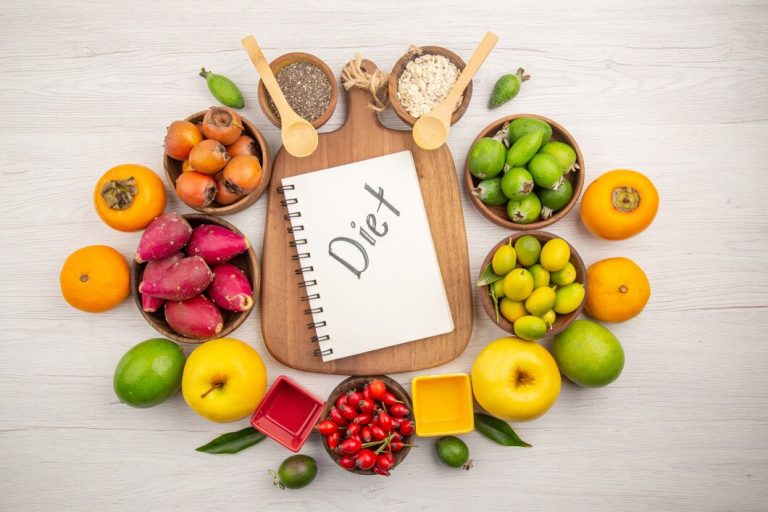
Understanding gut health basics is one of the most important steps you can take toward improving your overall well-being. If you’ve ever wondered what is gut health, why it matters, and how to improve gut health, you’re not alone. Your gut is far more than just a digestive system—it’s a complex ecosystem that directly impacts your energy, immunity, mood, and long-term health. This comprehensive guide to gut health basics for beginners guide will walk you through everything you need to know, including digestive health basics, healthy gut tips, and practical strategies for building a strong and balanced gut naturally.
What Is Gut Health?
Before diving deeper, let’s answer the key question: what is gut health?
Gut health refers to the balance and function of microorganisms (bacteria, fungi, and other microbes) living in your digestive tract—especially in your intestines. This community of microbes is called the gut microbiome.
A healthy gut means:
- A balanced mix of beneficial bacteria
- Efficient digestion and nutrient absorption
- Minimal inflammation
- Strong communication between gut and brain
When your gut is balanced, your body functions optimally. When it’s not, it can lead to a wide range of health issues.
Importance of Gut Health
The importance of gut health goes far beyond digestion. Research shows that your gut plays a central role in nearly every system in your body.
Key Functions of a Healthy Gut:
1. Digestion and Nutrient Absorption
Your gut breaks down food and absorbs essential nutrients like vitamins, minerals, and amino acids.
2. Immune System Support
Nearly 70% of your immune system resides in your gut. This is why gut health and immunity are closely connected.
3. Mental Health and Mood
The gut produces neurotransmitters like serotonin, affecting mood and emotional well-being.
4. Inflammation Control
A healthy gut reduces chronic inflammation, which is linked to many diseases.
Understanding how gut health affects overall health and wellness helps you realize why taking care of your gut is essential—not optional.
Gut Health for Beginners: Why Start Now?
If you’re new to this topic, don’t worry—this gut health for beginners section simplifies everything.
Many people ignore early signs of gut imbalance until symptoms become severe. Starting early with digestive health basics can prevent long-term issues and improve daily quality of life.
What Are the Signs of an Unhealthy Gut?
One of the most common questions is: what are the signs of an unhealthy gut?
Here are some warning signs:
- Frequent bloating or gas
- Constipation or diarrhea
- Food intolerances
- Fatigue or low energy
- Skin issues like acne or eczema
- Frequent illness (weak immunity)
- Mood swings or anxiety
If you experience several of these symptoms regularly, your gut may need attention.
How Gut Health Affects Overall Health and Wellness
Understanding how gut health affects overall health and wellness is key to making lifestyle changes.
1. Energy Levels
Poor gut health can reduce nutrient absorption, leading to fatigue.
2. Mental Clarity
The gut-brain connection affects focus, memory, and mood.
3. Weight Management
Gut bacteria influence metabolism and fat storage.
4. Immune Strength
A balanced gut supports stronger immunity and disease resistance.
Benefits of Good Gut Health for the Body
The benefits of good gut health for the body are wide-ranging:
- Better digestion
- Stronger immune system
- Improved mood and mental clarity
- Healthy skin
- Increased energy
- Reduced inflammation
These benefits make it clear why focusing on gut health is essential for a healthy life.
How to Improve Gut Health Naturally
If you’re wondering how to improve gut health, the answer lies in consistent lifestyle changes.
Key Strategies:
1. Eat a Diverse Diet
Diversity supports different types of beneficial bacteria.
2. Increase Fiber Intake
Fiber feeds good gut bacteria.
3. Stay Hydrated
Water supports digestion and nutrient absorption.
4. Reduce Processed Foods
Highly processed foods disrupt gut balance.
5. Manage Stress
Stress negatively impacts gut health.
These are foundational natural ways to improve gut health.
Foods for Gut Health
Choosing the right foods for gut health is one of the most effective strategies.
1. Fermented Foods
- Yogurt
- Kefir
- Sauerkraut
- Kimchi
These contain probiotics that support gut bacteria.
2. High-Fiber Foods
- Fruits
- Vegetables
- Whole grains
- Legumes
3. Prebiotic Foods
- Garlic
- Onions
- Bananas
- Asparagus
These feed beneficial bacteria.
4. Healthy Fats
- Nuts
- Seeds
- Olive oil
Including these in your diet creates a strong gut-friendly diet plan for beginners.
Best Foods to Improve Gut Health and Digestion
Some of the best foods to improve gut health and digestion include:
- Yogurt with live cultures
- Oats and whole grains
- Leafy greens
- Berries
- Fermented vegetables
These foods support digestion and help maintain a balanced microbiome.
Gut Health and Immunity
The connection between gut health and immunity is powerful.
A healthy gut:
- Prevents harmful bacteria from entering the body
- Supports immune cell production
- Reduces inflammation
This is why improving gut health can help you stay healthier overall.
Daily Habits for Better Gut Health
Consistency matters more than occasional effort. Here are some daily habits for better gut health:
- Eat meals at regular times
- Chew food properly
- Stay hydrated
- Get enough sleep
- Exercise regularly
Small habits lead to long-term improvements.
Simple Tips to Improve Gut Health and Immunity
Here are simple tips to improve gut health and immunity:
- Start your day with warm water
- Include probiotics in your diet
- Reduce sugar intake
- Avoid overeating
- Practice mindful eating
These small steps can create big changes.
Healthy Gut Tips for Everyday Life
These healthy gut tips are easy to follow:
- Avoid unnecessary antibiotics
- Limit alcohol consumption
- Eat slowly
- Reduce stress
- Maintain a balanced diet
Gut-Friendly Diet Plan for Beginners
A simple gut-friendly diet plan for beginners might look like this:
Morning:
- Warm water with lemon
- Oats with fruits
Lunch:
- Brown rice or whole grains
- Vegetables and protein
Snack:
- Yogurt or fruit
Dinner:
- Light meal with vegetables and protein
Natural Remedies for Improving Gut Health
There are several natural remedies for improving gut health:
- Ginger tea for digestion
- Peppermint tea for bloating
- Apple cider vinegar (in moderation)
- Herbal teas
These support digestion naturally.
How to Maintain a Healthy Gut Naturally
To understand how to maintain a healthy gut naturally, focus on:
- Balanced diet
- Regular exercise
- Stress management
- Consistent sleep schedule
Consistency is key.
Digestive Health Basics Everyone Should Know
The core digestive health basics include:
- Proper chewing
- Balanced meals
- Avoiding overeating
- Staying hydrated
These simple principles support long-term gut health.
Long-Term Lifestyle Changes for Gut Health
Improving gut health is not a short-term fix. It requires long-term commitment.
Focus on:
- Sustainable eating habits
- Regular physical activity
- Mental well-being
Common Mistakes to Avoid
Avoid these mistakes:
- Eating too much processed food
- Ignoring stress
- Skipping meals
- Lack of sleep
Final Thoughts
Understanding gut health basics is essential for anyone who wants to live a healthier, more balanced life. From learning what is gut health to applying natural ways to improve gut health, every step you take contributes to better digestion, stronger immunity, and improved overall wellness.
By following a gut health basics for beginners guide, focusing on foods for gut health, and adopting daily habits for better gut health, you can create lasting positive changes.
Remember, your gut is the foundation of your health. When you take care of it, your entire body benefits.
About the Author