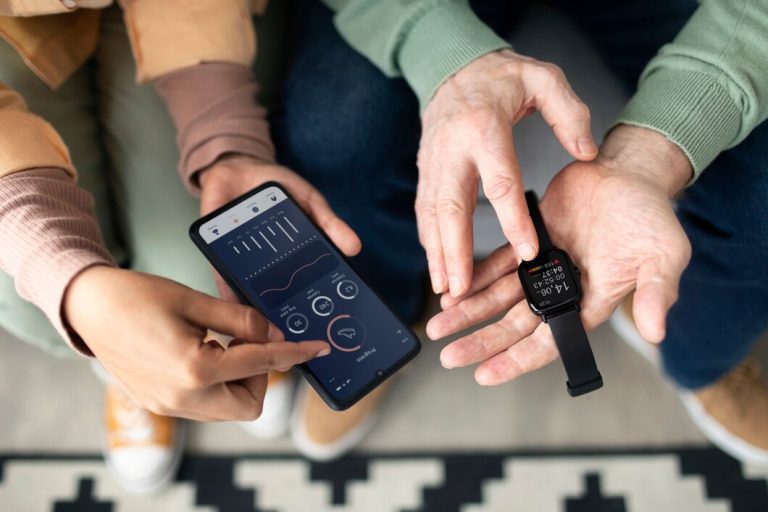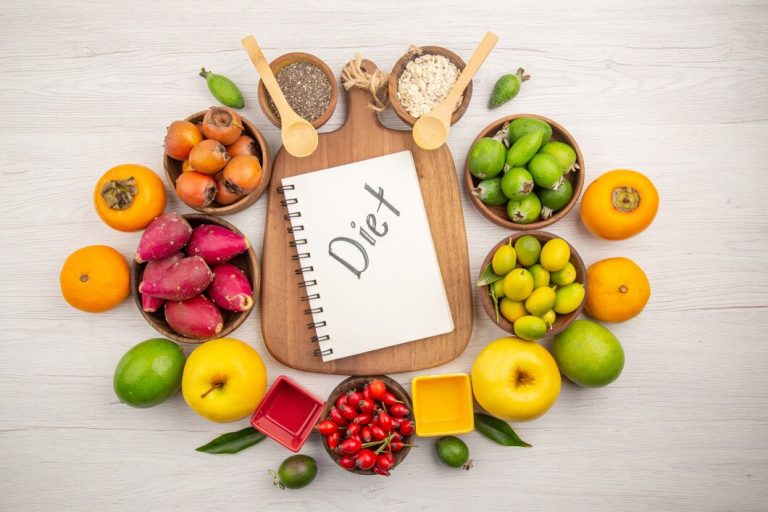
The quest for the “Fountain of Youth” has moved out of the realm of mythology and into the laboratory of molecular biology. For decades, we viewed healthy aging as a matter of luck or general “clean living.” However, the science of 2026 tells a different story: aging is a malleable biological program governed by specific nutrient-sensing pathways in your DNA. While the average lifespan has increased, our “healthspan”—the period of life spent free from chronic disease—has not kept pace. Longevity-focused personalized nutrition is the bridge that closes this gap. By using your DNA data to provide the exact molecular signals your cells need to repair, regenerate, and thrive, you can effectively slow your biological clock. This is the definitive guide to a DNA-based longevity diet designed for the 21st century.
The Nine Hallmarks of Aging: Where Genetics Meets Nutrition
To understand how to slow aging with personalized nutrition, we must first look at what causes us to age at a cellular level. Scientists have identified “Hallmarks of Aging,” and nearly all of them are modulated by what you put on your plate.
The Key Cellular Drivers
- Genomic Instability: Your DNA accumulates damage over time. Genes like PARP1 act as the repair crew, but they require NAD+ (derived from Vitamin B3) to function.
- Telomere Attrition: The protective caps on your chromosomes shorten as you age. Genetic variants in the TERT gene influence how fast this happens, but minerals like Zinc and Folate can stabilize the process.
- Nutrient Sensing: Pathways like mTOR (growth) and AMPK (repair) act as the “engine” and “brakes” of the cell. If your diet keeps the engine (mTOR) running 24/7 through over-consumption, you accelerate aging.
Longevity-Focused Personalized Nutrition: The OREO Framework
O (Opinion): Standard “healthy eating” is insufficient for longevity; you must proactively manipulate your genetic signaling pathways to delay cellular senescence.
R (Reason): This is true because your body has two primary modes: “Growth” and “Maintenance.” In our modern environment of constant food availability, most people are stuck in “Growth” mode, driven by the mTOR pathway. This leads to the accumulation of cellular “junk” (autophagy failure). Healthy aging requires periodic activation of the “Maintenance” mode, governed by genes like SIRT1 and AMPK. Without longevity-focused personalized nutrition, you are essentially driving a car at redline RPMs without ever changing the oil.
E (Example): Consider the SIRT1 gene, often called the “Longevity Gene.” It produces proteins that repair DNA and protect the heart. However, SIRT1 is “NAD+ dependent,” meaning it only works when NAD+ levels are high. Someone with a “low-activity” SIRT1 variant might age faster on a standard high-carb diet. By switching to a sirtuin activation diet—rich in polyphenols like resveratrol (from grapes) and quercetin (from onions) while implementing timed-restricted feeding—they can “force” the SIRT1 gene to work harder, effectively mimicking the life-extending effects of caloric restriction without the hunger.
O (Opinion/Takeaway): Therefore, the role of nutrigenomics in healthy aging is to move from “not being sick” to “biologically thriving” by intentionally activating your body’s internal repair mechanisms.
The Longevity Pathways: mTOR, AMPK, and Sirtuins
To master biological age reduction, your personalized nutrition plan must balance the three most important nutrient-sensing switches in your body.
1. mTOR: The Growth Switch
mTOR (Mammalian Target of Rapamycin) is essential for building muscle, but too much of it accelerates aging and cancer risk.
- Genetic Factor: Variants in the IGF1 gene dictate your baseline growth signaling.
- Nutritional Strategy: For healthy aging, emphasize “protein cycling.” High protein on training days to maintain muscle (preventing sarcopenia) and lower protein on rest days to allow for cellular cleanup.
2. AMPK: The Fuel Sensor
AMPK is the “master switch” for energy metabolism. When it’s on, your body burns fat and repairs cells.
- The Role of Nutrigenomics: Nutrients like Berberine and the polyphenols in extra virgin olive oil are powerful AMPK activators. A DNA-based longevity diet prioritizes these “mimetic” compounds to keep the metabolism young.
3. Sirtuins: The Guardians of the Genome
Sirtuins (SIRT1-7) are a family of proteins that regulate cellular health.
- Strategy: Support sirtuins by maintaining high NAD+ levels. This means avoiding excessive alcohol (which depletes NAD+) and ensuring adequate intake of Tryptophan and Niacin.
Cellular Repair Genetics: Protecting the Blueprint
How to slow aging with personalized nutrition involves protecting your DNA from oxidative stress and “epigenetic drift.”
1. Methylation and Biological Age
Epigenetic clocks (like the Horvath Clock) measure aging by looking at “methyl tags” on your DNA. If your MTHFR or DNMT genes are sluggish, your DNA “unravels” faster.
- Longevity Fix: Your best diet for longevity genes must be rich in methyl donors: choline (eggs), betaine (beets), and folate (dark leafy greens).
2. Mitochondrial Health
Your mitochondria are the power plants of your cells. As they age, they leak “smoke” (reactive oxygen species).
- Genetic Testing for Longevity: If your SOD2 or CAT (Catalase) genes are weak, you have a lower “smog tolerance.” You need significantly more dietary antioxidants—like CoQ10 and Glutathione-boosting foods (garlic, cruciferous veggies)—to prevent mitochondrial decay.
How to Slow Aging with Personalized Nutrition: Implementation
Transitioning to a DNA-based longevity diet is a marathon, not a sprint. Follow these three stages of implementation:
Phase 1: The “Cleanup” (Autophagy)
- Goal: Remove damaged cellular components.
- Action: Use your DNA data to determine your fasting tolerance. Some people thrive on a 16:8 schedule, while those with certain FTO variants may see cortisol spikes and should stick to a 12-hour “circadian” fast.
Phase 2: The “Signal” (Sirtuin Activation)
- Goal: Turn on repair genes.
- Action: Incorporate “Sirtfoods.” These aren’t just trendy; they are high in specific polyphenols (like fisetin and luteolin) that signal your cells to enter a protective state.
Phase 3: The “Build” (Anabolism)
- Goal: Prevent muscle and bone loss.
- Action: Use your personalized nutrition data to hit protein targets that match your ACTN3 (muscle fiber) and VDR (Vitamin D/Bone) profile. Longevity is not just about being thin; it’s about being “functionally strong.”
Role of Nutrigenomics in Healthy Aging: Addressing Common Myths
- Is “Plant-Based” Always Better for Longevity? Not necessarily. If your genetics show poor conversion of plant-based vitamins (like BCO1 for Vitamin A), a purely plant-based diet might lead to deficiencies that accelerate skin and eye aging.
- Can I Just Take a Supplement? Supplements like NMN or Resveratrol are “boosters,” but they cannot override a diet that is constantly spiking insulin. Insulin is a pro-aging hormone when chronically elevated.
Conclusion: Designing Your Future Self
Aging is the most complex biological challenge we face, but for the first time in history, we have the tools to influence its trajectory. Healthy Aging: Longevity-Focused Personalized Nutrition Strategies represents the shift from passive aging to active biological design. By understanding your cellular repair genetics and aligning your DNA-based longevity diet with your unique metabolic needs, you aren’t just adding years to your life—you are adding life to your years. Start using your DNA data today to signal to your cells that it is time to repair, time to protect, and time to thrive.
About the Author