The most natural way for humans to communicate their diet is through conversation: “I had eggs and a piece of toast for breakfast, a salad with chicken for lunch, and pasta with meatballs for dinner.” Yet, traditional diet logging forces this conversation into rigid forms and menus. Natural Language Processing (NLP), the AI technology that allows computers to understand, interpret, and generate human language, is changing this. The result is the rise of the AI nutrition chatbot—a digital coach capable of receiving complex, free-form diary entries and providing instant, personalized NLP diet advice. This guide explores how conversational AI nutrition is solving the dietary assessment bottleneck and making expert advice accessible 24/7.
How Do AI Chatbots Give Nutrition Advice?
The core challenge of dietary assessment AI is translating unstructured human language into structured, quantifiable data.
The NLP Engine: From Text to Tally
- Tokenization and Entity Recognition: The AI nutrition chatbot breaks down the user’s sentence (“I had a huge chicken salad with almonds and light ranch dressing”) into recognized components: ‘chicken’ (protein, 4oz), ‘salad’ (vegetables), ‘almonds’ (fat/calories, 1/4 cup), ‘light ranch dressing’ (condiment, 2 tbsp).
- Quantification and Context: Using context clues like adjectives (“huge,” “light”) and its internal food composition database, the NLP system estimates the portions and calculates the macronutrient and caloric values.
- Response Generation: The conversational AI nutrition system then cross-references this logged meal with the user’s personalization profile (genetics, goals) and generates a human-like response: “That’s a great high-protein lunch! To better manage your glucose, next time swap the ranch for an oil-and-vinegar dressing.”
The key advantage of natural language processing diet assessment is that it drastically lowers the friction of logging, encouraging greater user adherence and more honest, detailed entries.
Benefits of Conversational AI for Diet (OREO Framework)
O (Opinion): The primary value of the AI nutrition chatbot is not just its intelligence, but its availability and ability to normalize dietary assessment.
R (Reason): This is true because real human dietitians are expensive and unavailable outside of scheduled appointments. The constant, supportive presence of a conversational AI nutrition coach—ready to answer questions at the point of decision (e.g., Should I have the ice cream?)—provides the necessary feedback loop that prevents small dietary slips from derailing long-term progress. It makes high-quality NLP diet advice universally scalable.
E (Example): A user might ask an AI coach: “I feel tired every afternoon. Yesterday I had a large bowl of pasta for lunch.” The AI wellness coach, using the data it collected via natural language processing diet assessment, would instantly reply: “Based on your DNA’s low carbohydrate tolerance, that high-glycemic lunch likely caused a severe blood sugar crash. Try replacing the pasta with quinoa and lean protein to stabilize your energy tomorrow.” The instant, personalized diagnosis and actionable advice are what human coaching provides, but the chatbot delivers it immediately at a fraction of the cost, making it an invaluable tool for continuous behavior modification.
O (Opinion/Takeaway): Therefore, the question is an AI nutrition coach effective is answered by compliance: NLP diet advice enhances adherence by making the entire process feel like a seamless, natural conversation rather than a rigid data-entry task.
The AI Wellness Coach: Moving Beyond Logging
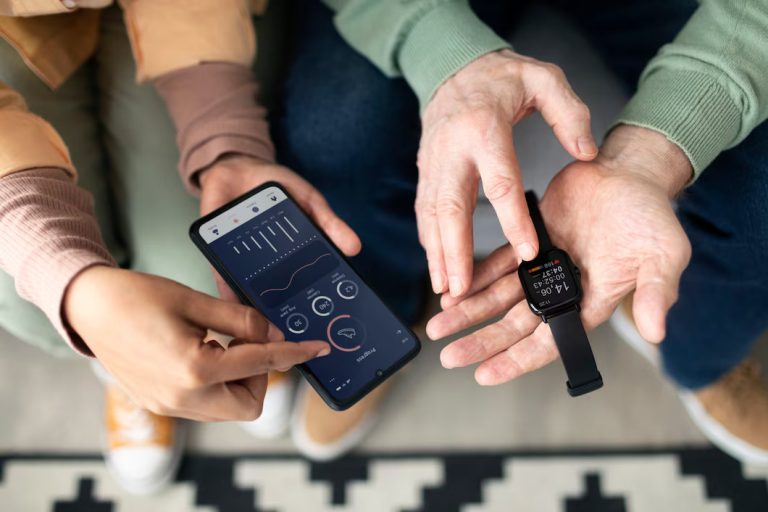
The best AI nutrition chatbot systems integrate their dietary assessment AI not just with food databases, but with wearable and genetic data.
- Genetic Context: The bot understands that certain words (like “coffee” or “saturated fat”) carry a specific risk based on the user’s genetic markers.
- Behavioral Correction: If a user consistently logs high-sugar snacks after 9 PM, the conversational AI nutrition system identifies the pattern and proactively offers strategies (e.g., “It looks like 9 PM is your biggest challenge. Let’s try having a high-protein snack at 8:30 to preempt the craving.”).
By seamlessly integrating NLP diet advice with complex biological data, the AI nutrition chatbot becomes the accessible and scalable future of personalized health coaching.
About the Author