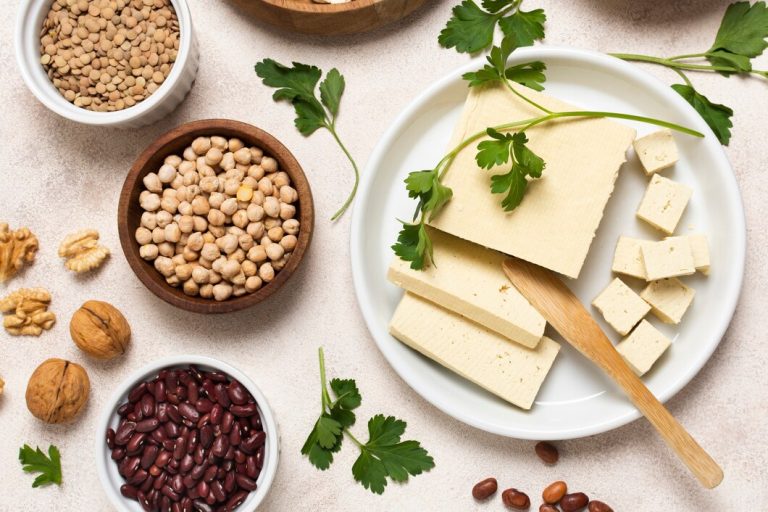
Omega-3 fatty acids are widely regarded as the “gold standard” of nutritional supplements. They are praised for their ability to lower triglycerides, sharpen cognitive function, and dampen the fires of chronic inflammation. Most health advice suggests we can get these vital fats from either plant sources (like flax, chia, and walnuts) or marine sources (like salmon and sardines). However, the emerging science of Omega-3 Response reveals a much more complex truth. Your body’s ability to turn those plant-based fats into the powerful, anti-inflammatory versions it actually needs is governed entirely by your FADS genes. For many, “plant-based” Omega-3s are an evolutionary dead end. By using DNA data, you can determine your specific personalized fish oil supplementation needs and stop the cycle of ineffective, generic nutrition.
The Conversion Bottleneck: ALA to EPA and DHA
To understand Omega-3 Response, we must look at the biochemical pathway of fatty acid synthesis. Plant-based Omega-3s come in the form of Alpha-Linolenic Acid (ALA). To be useful to your brain and heart, ALA must be converted into Eicosapentaenoic Acid (EPA) and eventually Docosahexaenoic Acid (DHA).
The Genetic Gatekeepers
- The FADS1 Gene: This gene codes for the Delta-5 Desaturase enzyme. It is the “master regulator” of the conversion process. If this gene is slow, the assembly line stops at the “semi-finished” stage.
- The FADS2 Gene: This gene handles the initial step of the conversion. Together with FADS1, they form the FADS genes cluster that determines your internal production of active Omega-3s.
- The Efficiency Gap: Humans evolved in different environments. Those from coastal regions (rich in fish) often “lost” the ability to convert plant fats efficiently, while those from inland, agricultural regions (rich in seeds) evolved to be “Super-Converters.”
Without personalized fish oil supplementation, you are essentially guessing if your body can build its own anti-inflammatory shield or if it needs to be delivered “ready-made.”
Omega-3 Response
The recommendation that a vegan diet can provide sufficient Omega-3s is genetically irresponsible for “Slow Converter” genotypes.
This is true because the human conversion rate of ALA to DHA is naturally low, but for those with certain FADS1 and FADS2 variants, it can be as low as 0.5% to 1%. This means that even if you consume massive amounts of flax oil, your brain—which is 60% fat and requires high levels of DHA—is effectively starving. This leads to “silent” systemic inflammation, as the lack of Omega-3s allows the pro-inflammatory Omega-6 pathway to dominate your cell membranes. Omega-3 Response isn’t a matter of diet; it’s a matter of enzymatic speed limits.
Consider a person with the “G” allele of the FADS1 rs174537 SNP. This variant is associated with highly efficient conversion. This person might thrive on a plant-based diet with just a few walnuts a day. Now, consider a person with the “A” allele. Their DNA data indicates they are a “Poor Converter.” Despite eating a “healthy” diet, their blood work shows a dangerously high Omega-6 to Omega-3 ratio, and they struggle with joint pain and brain fog. By switching to a personalized fish oil supplementation protocol—providing 2,000mg of direct EPA/DHA—their inflammatory markers drop by 40% in three months. This is the role of nutrigenomics in fatty acid balance.
Therefore, the role of nutrigenomics in fatty acid balance is to identify who can rely on the “field” and who must rely on the “sea” for their inflammatory health.
How to Tell if I Need Fish Oil with Genetics
If you are investigating how to tell if I need fish oil with genetics, you must look at your status on the FADS cluster.
1. The FADS1 rs174537 Variant
- GG (The Super-Converter): You are likely efficient at turning plant fats into EPA. You may need less fish oil or can rely more on plant sources.
- AG (The Moderate): You have a reduced capacity. You likely need a baseline dose of marine-based Omega-3s.
- AA (The Poor Converter): You are genetically dependent on direct sources of EPA and DHA. A plant-based diet without marine-algae or fish oil supplementation is a high-risk strategy for you.
2. Evolutionary Context: Ancestry and FADS
- Northern European / Arctic Ancestry: Often “Slow Converters” because their ancestors had constant access to fish.
- Inland / African / South Asian Ancestry: Often “Fast Converters” because their ancestors relied more on land-based seeds and grains.
EPA vs. DHA Genetics: Which One Do You Need?
While both are essential, your genes may dictate a higher need for one over the other.
- DHA for the Brain: Essential for the APOE gene and cognitive health. If you are an APOE4 carrier, your personalized fish oil supplementation must prioritize high-quality DHA.
- EPA for the Heart: Essential for the NOS3 gene and vascular health. If you have high inflammatory markers (hs-CRP), your Omega-3 Response strategy should focus on higher EPA ratios.
How to Optimize Omega-3 Intake Based on DNA: Implementation
Mastering your Omega-3 Response requires more than just buying a bottle of pills; it requires precision.
Step 1: Genomic Triage
Identify your FADS status. This is your “Lipid Blueprint.”
Step 2: The Omega-3 Index Test
Pair your DNA data with an “Omega-3 Index” blood test. This measures the actual percentage of EPA and DHA in your red blood cell membranes.
- The Goal: An index of 8% or higher is considered optimal for heart and brain protection.
Step 3: Targeted “Lipid Loading”
- For Slow Converters: Skip the flax and go straight to high-dose Krill oil or concentrated Fish oil.
- The “Vegan Option”: If you are a slow-converting vegan, you must use an Algae-based EPA/DHA supplement. ALA from seeds will not suffice.
- The “Antioxidant Shield”: Omega-3s are highly prone to oxidation (going rancid). Always pair your personalized fish oil supplementation with Vitamin E or Astaxanthin to protect the fats once they are in your body.
Role of Nutrigenomics in Fatty Acid Balance: Addressing Myths
- Can I just eat more walnuts? If you are a “Slow Converter,” the amount of walnuts you would have to eat to get enough DHA would result in an excessive intake of Omega-6 and calories, actually increasing your inflammatory load.
- Is all fish oil the same? No. The best omega-3 source for my DNA is one that is in the “Triglyceride” form (more absorbable) rather than the “Ethyl Ester” form, especially if you have fat-malabsorption genes like FABP2.
Comparison: Plant-Based vs. Marine-Based Compatibility
| Genotype | Conversion Efficiency | Best Omega-3 Strategy |
| GG (Super-Converter) | High (10-15%) | Plant-rich diet + light fish oil |
| AG (Moderate) | Medium (5-7%) | Daily moderate fish oil (1g) |
| AA (Poor Converter) | Low (<1-2%) | Daily high-dose fish oil (2-3g) |
Conclusion: Balancing the Biological Fire
Inflammation is the “silent killer” at the heart of nearly every modern disease. Omega-3 Response: FADS Genes and Personalized Fish Oil Supplementation provides you with the fire extinguisher. By understanding your FADS genes and respecting your unique EPA vs DHA genetics, you can finally balance the fatty acids that govern your health. Don’t leave your inflammatory status to a “plant-based” guess; use your DNA data to provide the marine-based precision your brain and heart are crying out for.
About the Author