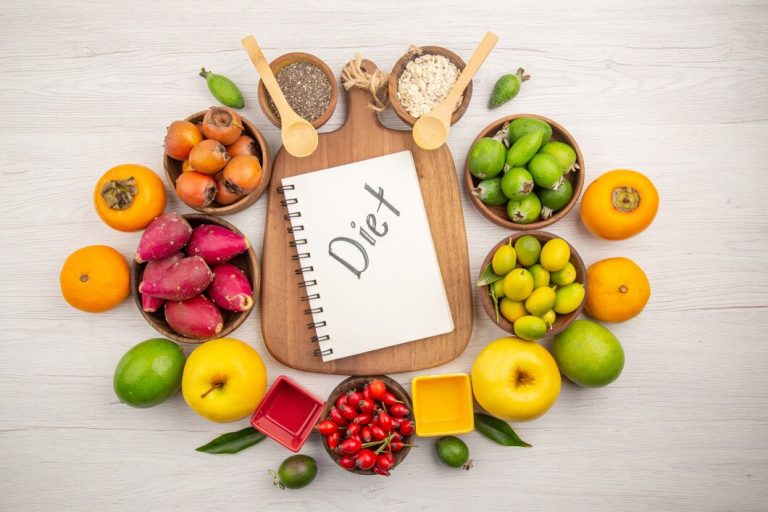
Creating a nutrition plan for weight loss is one of the most effective ways to achieve lasting fat loss without constantly dieting or feeling deprived. However, most people struggle because they follow extreme diets instead of building a realistic system they can maintain for life.
A true sustainable nutrition plan for weight loss is not about restriction or punishment. It is about balance, consistency, and smart food choices that support both fat loss and overall health.
In this guide, you will learn how to build a sustainable nutrition plan for weight loss step by step. We will cover everything from healthy weight loss meal plan structures, calorie deficit meal plan principles, balanced diet for weight loss strategies, and mindful eating for weight loss, to long-term habits that support a healthy lifestyle for weight management.
Unlike crash diets, a sustainable approach focuses on creating a long term weight loss strategy that you can follow without burnout. This is how real transformation happens.
What Is a Sustainable Nutrition Plan for Weight Loss?
A sustainable nutrition plan for weight loss is a structured eating approach designed to help you lose fat gradually while maintaining energy, health, and enjoyment of food.
It is based on three key principles:
1. Calorie Balance
You consume fewer calories than you burn, but not to an extreme level.
2. Nutritional Quality
You focus on nutrient-dense foods instead of empty calories.
3. Consistency
You follow the plan long enough for results to become permanent.
This approach avoids extreme restrictions and promotes a healthy eating plan for fat loss that supports both body and mind.
Why Most Weight Loss Diet Plans Fail
Most weight loss diet plans fail because they are not sustainable.
Common problems include:
- Extreme calorie restriction
- Cutting entire food groups
- Unrealistic rules
- Lack of flexibility
- No long-term strategy
These diets may work temporarily but are impossible to maintain, leading to weight regain.
A sustainable weight loss diet solves this problem by focusing on habits rather than short-term rules.
The Foundation: How Weight Loss Actually Works
Before building a balanced diet for weight loss, it is important to understand the science.
Weight loss happens when you are in a calorie deficit, meaning:
You burn more calories than you consume.
This is the foundation of every calorie deficit meal plan.
However, the quality of food determines:
- Hunger levels
- Energy stability
- Muscle preservation
- Long-term adherence
That is why a smart healthy weight loss meal plan combines calorie control with nutrition quality.
Step-by-Step Weight Loss Nutrition Plan
Here is a practical step by step weight loss nutrition plan you can follow.
Step 1: Calculate Your Calorie Needs
To build a calorie deficit meal plan, you first need to estimate your maintenance calories.
Then reduce:
- 300–500 calories per day for slow fat loss
- 500–700 calories per day for moderate fat loss
Avoid extreme deficits, as they are not sustainable.
Step 2: Choose a Balanced Macronutrient Split
A strong balanced diet for weight loss includes:
- Protein
- Carbohydrates
- Healthy fats
A simple structure:
- Protein: 25–35%
- Carbs: 35–50%
- Fats: 20–30%
This balance supports energy, fullness, and muscle retention.
Step 3: Build Your Meal Structure
A balanced meal plan for effective weight loss typically includes:
- 3 main meals
- 1–2 healthy snacks
Each meal should contain:
- Protein source
- Fiber-rich vegetables
- Healthy carbs
- Healthy fats
Healthy Weight Loss Meal Plan Example Structure
A healthy weight loss meal plan might look like:
Breakfast:
- Eggs or plant protein
- Whole grains
- Fruit
- Healthy fat (nuts or seeds)
Lunch:
- Lean protein
- Brown rice or quinoa
- Vegetables
- Olive oil dressing
Snack:
- Yogurt or fruit
- Nuts or protein shake
Dinner:
- Protein
- Vegetables
- Light carbs or none depending on goals
This structure supports a healthy eating plan for fat loss without deprivation.
Best Foods for Weight Loss
Choosing the best foods for weight loss is key to success.
High-Protein Foods:
- Eggs
- Chicken
- Fish
- Tofu
- Lentils
High-Fiber Foods:
- Vegetables
- Fruits
- Oats
- Whole grains
Healthy Fats:
- Avocados
- Nuts
- Seeds
- Olive oil
Low-Calorie Volume Foods:
- Leafy greens
- Cucumber
- Zucchini
- Broccoli
These foods keep you full while supporting a sustainable weight loss diet.
Clean Eating for Weight Loss: Is It Necessary?
Clean eating for weight loss focuses on whole, minimally processed foods.
Benefits include:
- Better digestion
- Stable energy levels
- Improved satiety
- Reduced cravings
However, clean eating does not mean perfection. A flexible approach is more sustainable.
Portion Control Diet Plan Strategy
A portion control diet plan is one of the easiest ways to manage calories without tracking everything.
Simple Method:
- Protein = palm-sized portion
- Carbs = fist-sized portion
- Fats = thumb-sized portion
- Vegetables = half plate
This visual method helps maintain a healthy lifestyle for weight management without complexity.
Nutrition Tips for Weight Loss That Actually Work
Here are practical nutrition tips for weight loss:
1. Eat Protein at Every Meal
Protein reduces hunger and preserves muscle.
2. Increase Fiber Intake
Fiber improves fullness and digestion.
3. Drink More Water
Sometimes thirst is mistaken for hunger.
4. Avoid Liquid Calories
Sodas and sugary drinks add unnecessary calories.
5. Plan Meals Ahead
Prevents impulsive eating.
These small changes make a big difference in a long term weight loss strategy.
Mindful Eating for Weight Loss
Mindful eating for weight loss is about awareness during meals.
It includes:
- Eating slowly
- Avoiding distractions
- Listening to hunger cues
- Stopping when satisfied
Mindful eating helps prevent overeating and improves digestion.
It is one of the most underrated tools in a healthy eating plan for fat loss.
Healthy Lifestyle for Weight Management
Weight loss is not just about food—it is about lifestyle.
A healthy lifestyle for weight management includes:
- Regular physical activity
- Quality sleep
- Stress management
- Hydration
- Consistent eating habits
Without these factors, even the best diet struggles to work long-term.
Sustainable Ways to Lose Weight Without Crash Dieting
Many people search for sustainable ways to lose weight without crash dieting, and the answer is simple: consistency over extremes.
Avoid:
- Starvation diets
- Extreme fasting without structure
- Cutting entire food groups
- Over-restriction
Instead focus on:
- Moderate calorie deficit
- Balanced meals
- Flexible eating
- Long-term habits
This is the foundation of a sustainable nutrition plan for weight loss.
How to Create a Healthy Diet Plan for Long Term Weight Loss
If you want to know how to create a healthy diet plan for long term weight loss, follow this framework:
Step 1: Define your goal
Fat loss, maintenance, or recomposition.
Step 2: Set calorie target
Moderate deficit, not extreme.
Step 3: Choose foods you enjoy
Sustainability depends on enjoyment.
Step 4: Build structure
Meal timing and balance.
Step 5: Track progress
Use weight, measurements, and energy levels.
This ensures your weight loss diet plan is realistic and maintainable.
Common Mistakes in Weight Loss Nutrition Plans
1. Eating too little
Leads to fatigue and binge eating.
2. Ignoring protein
Causes muscle loss.
3. Overcomplicating meals
Simplicity leads to consistency.
4. No flexibility
Strict rules often fail long-term.
Avoiding these mistakes is key to a successful healthy weight loss meal plan.
Achieve weight loss through a balanced and sustainable approach to eating habits
If your goal is how to lose weight with a sustainable eating plan, focus on:
- Moderate calorie deficit
- Balanced nutrition
- Consistent habits
- Flexible approach
Weight loss is not linear. It requires patience and long-term thinking.
Long Term Weight Loss Strategy That Works
A long term weight loss strategy is built on habits, not diets.
Core Elements:
- Consistent eating pattern
- Balanced macronutrients
- Occasional flexibility
- Active lifestyle
- Mindful behavior
This ensures results are maintained, not just achieved temporarily.
Healthy Eating Plan for Fat Loss: The Real Secret
The real secret behind a healthy eating plan for fat loss is sustainability.
If you cannot follow it for months or years, it will not work.
Focus on:
- Enjoyable foods
- Realistic structure
- Gradual progress
This is what makes weight loss permanent.
Final Thoughts: Building a Nutrition Plan You Can Actually Live With
A successful nutrition plan for weight loss is not about perfection—it is about consistency, balance, and flexibility.
A true sustainable weight loss diet allows you to:
- Eat satisfying meals
- Maintain energy
- Enjoy social life
- Lose fat gradually
- Keep weight off long-term
By applying nutrition tips for weight loss, practicing mindful eating for weight loss, and following a balanced diet for weight loss, you can build a system that works in real life—not just on paper.
Ultimately, the best how to build a sustainable nutrition plan for weight loss approach is one that fits your lifestyle, not one that fights against it.
When you combine structure with flexibility, and discipline with enjoyment, you create a lifestyle—not a diet.
And that is the true key to lasting transformation.
About the Author