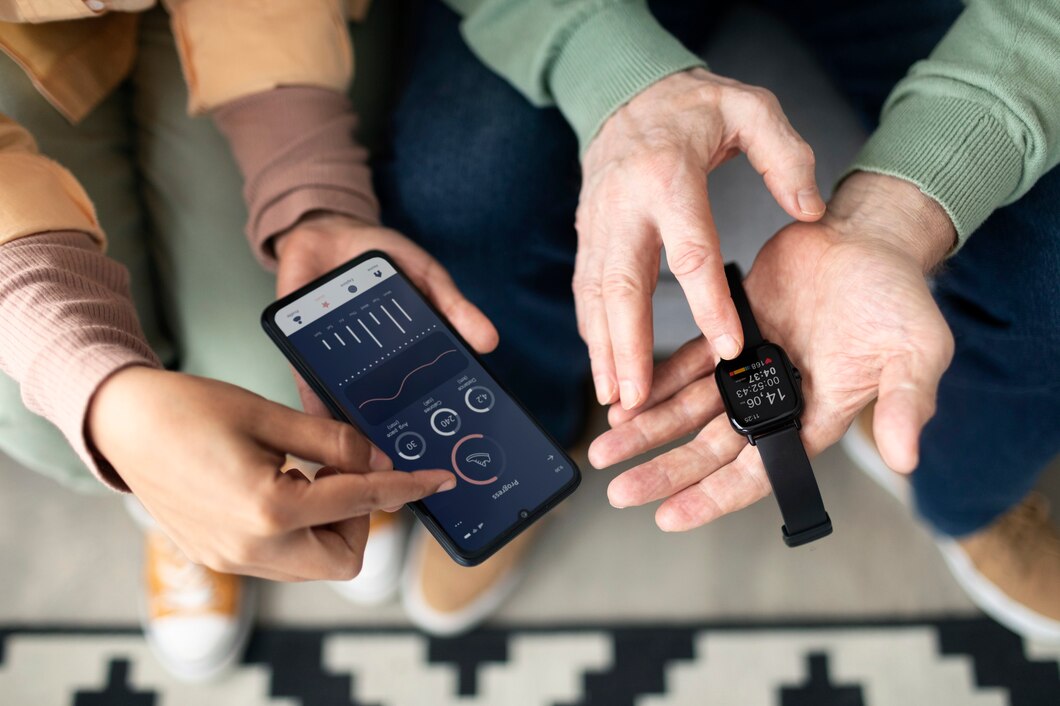
Genetic data provides the static blueprint; blood tests offer snapshots. But true metabolic optimization demands a constant, dynamic data stream—a living report of your body’s response to food, stress, and activity. This continuous feedback loop is now possible through wearable nutrition integration. By linking devices like Continuous Glucose Monitors (CGM) and advanced fitness tracker nutrition systems to AI nutrition platforms, we unlock the power of real-time metabolic feedback. This guide explores how this data convergence is transforming the future of personalized health, providing the dynamic context necessary to move beyond theory and into peak metabolic performance.
The Power of CGM Diet Tracking: Real-Time Precision
The Continuous Glucose Monitor (CGM), once reserved for individuals with Type 1 Diabetes, has become the single most revolutionary tool for personalized nutrition. It provides real-time metabolic feedback on how your body is handling carbohydrates.
CGM: The Ultimate Food Scoring System
- Beyond Averages: Unlike a single finger-prick blood glucose test, CGM diet tracking shows the peak glucose spike and, more importantly, the duration of the spike after a meal. This reveals the true glycemic impact.
- Food Pairings: The data quickly shows the benefit of food pairing. For example, adding a few nuts (fat/fiber) to a piece of fruit can significantly blunt the glucose spike, a lesson instantly learned and internalized by the user.
Connecting CGM to personalized diet apps allows AI algorithms to assign a unique metabolic score to every food and meal combination for that specific individual.
How Do Fitness Trackers Help with Personalized Nutrition? (OREO Framework)
O (Opinion): Physical activity, sleep quality, and stress levels are not just add-ons to a diet plan; they are integral, measurable components of your daily metabolic capacity.
R (Reason): This is true because your body’s ability to process food is not fixed. A late night (poor sleep) or a high-stress day elevates cortisol, which immediately impairs insulin sensitivity. Conversely, a post-meal walk dramatically improves muscle glucose uptake. Fitness tracker nutrition systems capture these critical variables—sleep, heart rate variability (HRV), and step count—providing the context that dictates the success or failure of any meal.
E (Example): A generic plan might recommend a medium-carb meal. However, your AI wearable health system, having read your fitness tracker nutrition data, knows: (1) you only slept 5 hours (HRV is low/stress is high), and (2) you skipped your morning workout. The AI knows your insulin sensitivity is currently compromised. The personalized nutrition data output is a notification: “Swap the rice for cauliflower rice today, as your body is not prepared to handle that carbohydrate load efficiently.” The AI uses the non-food data to precisely adjust the food prescription, demonstrating the essential role of wearable nutrition integration.
O (Opinion/Takeaway): Therefore, the benefits of real-time metabolic feedback are profound; connecting fitness tracker nutrition data and CGM tracking creates a dynamic, adaptable nutrition plan that is always aligned with your true metabolic state.
The AI Wearable Health Data Loop
Effective wearable nutrition integration requires a seamless, automated data loop:
- Input: User wakes up, fitness tracker nutrition data is logged (Sleep, HRV, Resting Heart Rate). CGM data is always streaming.
- Synthesis: The AI nutrition platform combines the genetic blueprint with the real-time metabolic (CGM) and recovery (HRV) data.
- Output: The platform generates the day’s personalized nutrition data advice: optimal meal timing, maximum recommended carbohydrate load for the day, and suggestions for recovery-supporting nutrients (e.g., magnesium).
Key Wearable Data Points for Personalized Nutrition:
| Wearable Marker | Data Point Type | Nutrition Implication |
| HRV (Heart Rate Variability) | Stress/Recovery | Low HRV means high stress; signals decreased carb tolerance and increased inflammation risk. |
| Resting Heart Rate | Overall Metabolic Load | High RHR indicates recovery deficit; signals need for nutrient-dense, easily digestible foods. |
| CGM Glucose Spikes | Metabolic Response | Identifies which specific foods create metabolic stress; drives personalized food exclusion/pairing. |
The convergence of genetic potential and real-time metabolic feedback via wearable nutrition integration ensures that the personalized diet is not a static document, but a constantly evolving, dynamically optimized strategy.
About the Author