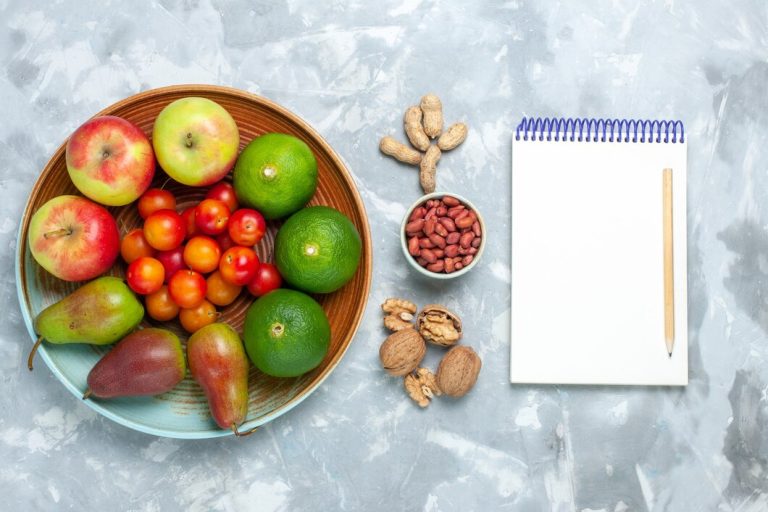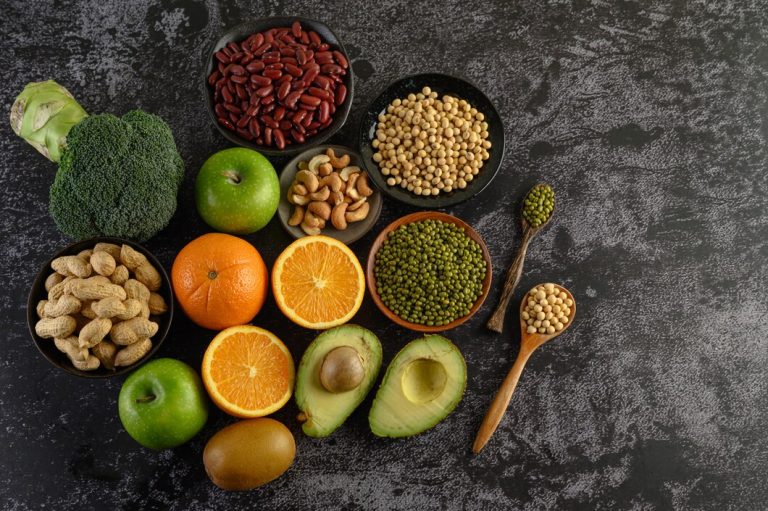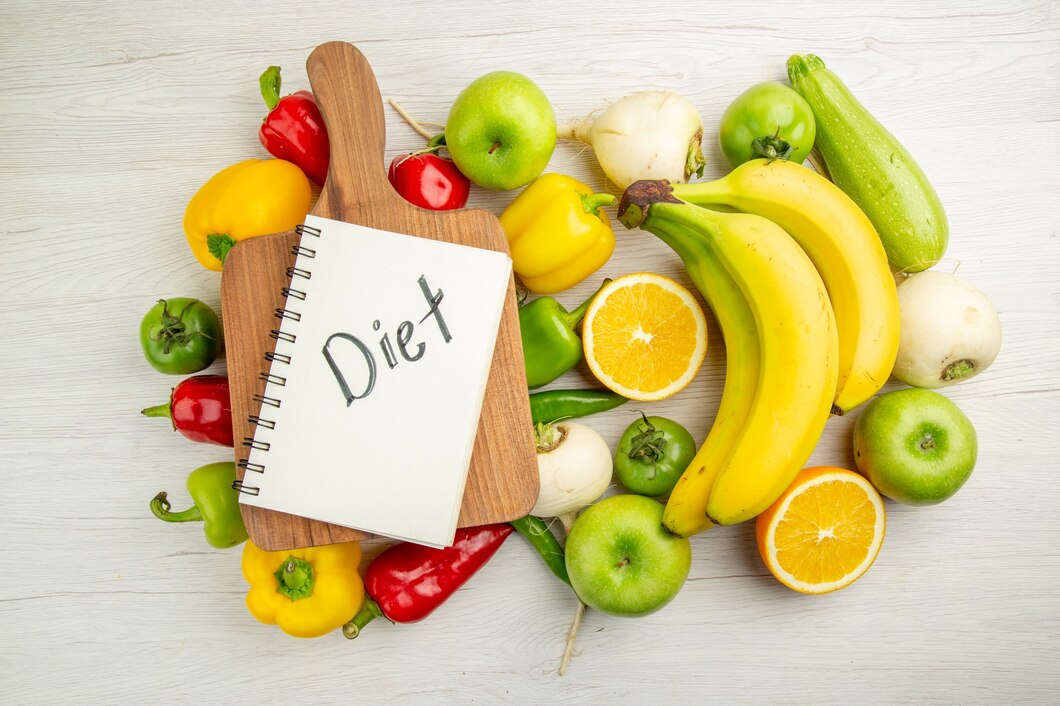
A diet for fatty liver disease focuses on improving overall eating habits, supporting a healthy body weight, and reducing the amount of fat stored in the liver. Making thoughtful food choices can be an important part of managing fatty liver, particularly when combined with regular physical activity and guidance from a healthcare professional. Instead of relying on restrictive diets or quick fixes, the goal is to build sustainable eating habits that provide adequate protein, fiber, vitamins, minerals, and healthy fats while limiting foods that may contribute to excess calorie intake and metabolic problems.
What Is Fatty Liver Disease?
Fatty liver disease occurs when excess fat accumulates in the liver. Fatty liver disease can develop due to several factors, including being overweight, obesity, insulin resistance, type 2 diabetes, elevated cholesterol levels, excessive alcohol intake, and certain medications or underlying health conditions.
Fatty liver may not always cause noticeable symptoms. Some people may experience tiredness, discomfort in the upper-right abdomen, or other nonspecific symptoms, while others may discover the condition during routine blood tests or imaging.
Diet and lifestyle changes are often important components of management. However, the ideal approach can vary depending on the underlying cause and whether there is liver inflammation or scarring. Anyone diagnosed with fatty liver should discuss their individual needs with a doctor or registered dietitian.
Why Does Diet Matter for Fatty Liver?
The liver plays a major role in processing nutrients, regulating blood sugar, metabolizing fats, and removing waste products from the body. When a person regularly consumes more energy than the body needs, particularly from highly processed foods and sugary beverages, excess energy can contribute to fat storage.
A balanced eating pattern can help address several factors associated with fatty liver, including excess body weight, blood sugar control, cholesterol levels, and overall metabolic health.
The goal is not to find one magical food that removes liver fat. Instead, a consistent eating pattern that emphasizes nutritious foods and limits highly processed options is generally more beneficial.
Fatty Liver Diet: Foods to Include
When planning meals, focus on minimally processed ingredients and a variety of nutrient-dense foods. The following categories can form the foundation of a balanced fatty liver diet.
1. High-Fiber Foods
Fiber can help support digestive health, blood sugar regulation, and feelings of fullness. Foods rich in fiber can also make it easier to maintain a balanced calorie intake.
Examples of high-fiber foods for fatty liver include:
- Oats
- Barley
- Brown rice
- Quinoa
- Whole-wheat bread
- Beans
- Lentils
- Chickpeas
- Vegetables
- Apples
- Pears
- Berries
- Chia seeds
- Flaxseeds
Whole grains and legumes can be particularly useful because they provide a combination of fiber, complex carbohydrates, and other nutrients.
2. Vegetables
Vegetables should have a prominent place in meals because they provide fiber, vitamins, minerals, and antioxidants while many varieties are relatively low in calories.
Good vegetables for fatty liver include:
- Spinach
- Broccoli
- Cauliflower
- Carrots
- Bell peppers
- Cabbage
- Green beans
- Tomatoes
- Cucumbers
- Zucchini
- Brussels sprouts
- Kale
Try filling around half of your lunch and dinner plate with vegetables. You can consume them raw, steamed, roasted, grilled, or lightly sautéed.
3. Fruits in Reasonable Portions
Whole fruit can be part of a balanced eating pattern. Fruit provides fiber, vitamins, minerals, and naturally occurring plant compounds.
Some suitable fruits for fatty liver include:
- Apples
- Oranges
- Guava
- Pears
- Berries
- Kiwi
- Papaya
- Pomegranate
- Peaches
- Plums
Whole fruit is generally preferable to fruit juice because whole fruit contains fiber and usually takes longer to consume. Even naturally sweet foods should be eaten as part of an overall balanced diet.
4. Healthy Protein Sources
Protein can help maintain muscle mass and increase satiety. Choosing nutritious protein sources can also help reduce reliance on heavily processed foods.
Examples of protein foods for fatty liver include:
- Lentils
- Chickpeas
- Beans
- Tofu
- Tempeh
- Unsweetened soy products
- Fish
- Skinless poultry
- Eggs
- Low-fat or plain dairy products
- Nuts and seeds in moderate portions
For people following a vegetarian or vegan diet, legumes, tofu, tempeh, and other minimally processed plant proteins can be useful options.
5. Healthy Fats
Fat does not necessarily need to be eliminated from the diet. The type and quantity of fat matter.
Sources of unsaturated fats include:
- Avocados
- Almonds
- Walnuts
- Chia seeds
- Flaxseeds
- Olive oil
- Sunflower seeds
- Pumpkin seeds
- Fatty fish
Because fats are calorie-dense, portion control is still important. A small amount of a healthy fat can add flavor and nutritional value without making a meal excessively high in calories.
Mediterranean Diet for Fatty Liver
The Mediterranean diet for fatty liver is often discussed because it emphasizes vegetables, fruits, whole grains, legumes, nuts, seeds, fish, and unsaturated fats while limiting highly processed foods, refined carbohydrates, and excessive amounts of saturated fat.
A Mediterranean-style meal could include grilled fish or legumes, a large vegetable salad, whole grains, and a small amount of olive oil.
You do not necessarily have to follow a traditional Mediterranean menu. The basic principles can be adapted to Indian, Asian, Middle Eastern, or other cuisines.
For example, an Indian-style Mediterranean-inspired meal might include dal, mixed vegetables, a whole-grain roti, salad, and plain curd.
Foods That Help Fatty Liver
Rather than looking for one specific food that can “cleanse” the liver, focus on a variety of nutrient-rich ingredients.
Some foods that help fatty liver as part of an overall healthy eating pattern include:
- Leafy green vegetables
- Cruciferous vegetables such as broccoli and cauliflower
- Legumes
- Whole grains
- Berries and other whole fruits
- Nuts and seeds
- Fish
- Tofu
- Unsweetened yogurt
- Olive oil
- Avocados
These foods can contribute to a diet rich in fiber, protein, vitamins, minerals, and unsaturated fats.
Foods Good for Liver Health
A healthy liver benefits from an overall nutritious dietary pattern rather than isolated “detox” foods. Foods good for liver health generally include minimally processed plant foods, lean protein sources, whole grains, and sources of healthy fats.
Garlic, onions, leafy vegetables, cruciferous vegetables, berries, legumes, and whole grains can all contribute valuable nutrients to a balanced diet.
It is also important to remember that no food or supplement should be considered a guaranteed treatment for fatty liver. Dietary changes work best as part of a broader lifestyle approach.
Foods to Avoid With Fatty Liver
Some foods are best limited because they can contribute excessive calories, added sugar, saturated fat, or highly refined carbohydrates.
Common foods to avoid with fatty liver, or at least significantly limit, include:
Sugary Beverages
Soft drinks, sweetened fruit drinks, energy drinks, sweetened tea, and other sugary beverages can provide large amounts of added sugar without making you feel particularly full.
Water should generally be the primary beverage.
Highly Processed Foods
Regularly eating highly processed foods such as packaged snacks, fast food, processed meats, and heavily refined foods can make it difficult to maintain a nutritious diet.
Foods High in Added Sugar
Limit foods such as:
- Cakes
- Cookies
- Candy
- Sweetened cereals
- Pastries
- Ice cream
- Sugary desserts
Having these foods occasionally may fit into some people’s diets, but they should not form the foundation of daily eating habits.
Refined Carbohydrates
Large quantities of white bread, refined flour products, and other highly refined carbohydrates can make it harder to maintain balanced blood sugar and calorie intake.
Instead, choose whole-grain options more often.
Excess Saturated Fat
Foods high in saturated fat can include fatty cuts of meat, processed meats, butter, cream, and certain fried foods. Replacing some saturated fats with unsaturated fats may be a useful dietary strategy.
Drinks Good for Fatty Liver
Choosing the right beverages is another important part of healthy eating.
Water is one of the simplest drinks good for fatty liver because it contains no added sugar or calories. Unsweetened tea can also be included.
Coffee has been associated with potential liver benefits in observational research, but individual circumstances matter. If you drink coffee, avoid turning it into a high-sugar beverage with large amounts of syrups, cream, or added sugar.
Other options can include:
- Plain water
- Sparkling water without added sugar
- Unsweetened tea
- Herbal tea without added sugar
- Unsweetened coffee
Alcohol deserves particular attention. People with liver disease should discuss alcohol consumption with their healthcare professional because recommendations can depend on the type and severity of liver disease.
Fatty Liver Nutrition: Important Nutrients
Good fatty liver nutrition is about more than calories. Your meals should provide a variety of nutrients.
Fiber
Fiber is found in vegetables, fruits, legumes, whole grains, nuts, and seeds. It can support digestion and help promote fullness.
Protein
Adequate protein helps maintain muscle and can make meals more satisfying.
Healthy Fats
Unsaturated fats from foods such as nuts, seeds, fish, and olive oil can be included in appropriate portions.
Micronutrients
A varied diet supplies vitamins and minerals needed for normal body functions. Eating different colored vegetables and fruits is an easy way to increase dietary variety.
Example Fatty Liver Meal Plan
A practical fatty liver meal plan does not have to be complicated.
Breakfast
Choose one:
- Oatmeal topped with berries, chia seeds, and a few walnuts
- Vegetable omelet with whole-grain toast
- Plain yogurt with fruit, oats, and seeds
- Vegetable poha with a side of unsweetened yogurt
Mid-Morning Snack
Choose:
- One whole fruit
- A small portion of unsalted nuts
- Plain yogurt
Lunch
A balanced lunch could contain:
- Brown rice or whole-grain roti
- Dal, beans, tofu, or grilled fish
- A large serving of vegetables
- Fresh salad
- Plain curd if suitable for you
Evening Snack
Consider:
- Roasted chickpeas
- Fruit
- Unsweetened tea
- A small portion of nuts
Dinner
Keep dinner balanced and avoid making it excessively large. Options include:
- Grilled fish with roasted vegetables and quinoa
- Tofu with mixed vegetables and brown rice
- Dal with vegetables and whole-grain roti
- Bean salad with vegetables and a small amount of avocado
Fatty Liver Diet Chart
A simple fatty liver diet chart can help make healthy eating easier to follow.
| Meal | Foods to Consider |
| Breakfast | Oats, vegetables, eggs, plain yogurt, whole grains |
| Mid-morning | Whole fruit or a small portion of nuts |
| Lunch | Dal, beans, tofu, fish, vegetables, whole grains |
| Evening | Roasted chickpeas, fruit, unsweetened tea |
| Dinner | Vegetables + lean/plant protein + whole grains |
| Beverages | Water, unsweetened tea, unsweetened coffee |
This is only a general example. Individual calorie and nutrient requirements can vary considerably.
Natural Foods for Fatty Liver
Many people search for natural foods for fatty liver because they want a simple way to improve liver health. The best approach is to prioritize naturally nutrient-dense foods instead of relying on supplements or detox products.
Vegetables, fruits, whole grains, legumes, nuts, seeds, fish, and minimally processed plant proteins can all have a place in a balanced eating pattern.
Be cautious with herbal remedies marketed as liver cleanses. “Natural” does not automatically mean safe, and some supplements may interact with medications or potentially affect the liver.
Healthy Foods for Liver
A plate built around healthy foods for liver health can be simple:
- Start with plenty of non-starchy vegetables.
- Add a source of protein.
- Include a moderate serving of whole grains or another high-fiber carbohydrate.
- Add a small portion of healthy fat.
- Choose water or another unsweetened beverage.
This approach can work with many different cuisines and food preferences.
Low-Fat Diet for Fatty Liver: Is It Necessary?
A low-fat diet for fatty liver is not automatically required for everyone. The quality of fat matters, and healthy unsaturated fats can be part of a nutritious diet.
Instead of eliminating all dietary fat, focus on limiting excessive saturated and trans fats while choosing reasonable portions of unsaturated fat sources.
For example, replacing heavily fried foods with grilled or baked foods can reduce overall calorie and unhealthy fat intake without making meals bland.
Foods to Improve Liver Health
There is no single food that can repair liver damage overnight. However, eating a balanced diet consistently can support overall health.
Some foods to improve liver health include vegetables, legumes, whole grains, berries, nuts, seeds, fish, and other minimally processed foods.
The bigger picture matters more than individual ingredients. A person who eats one serving of vegetables but regularly consumes sugary drinks, fried foods, and highly processed snacks is unlikely to benefit as much as someone who consistently follows a balanced eating pattern.
Lifestyle Habits That Support a Healthy Diet
Diet works best when combined with other healthy lifestyle habits.
Stay Physically Active
Regular physical activity can support metabolic health and help with weight management. Walking, cycling, swimming, resistance training, and other activities can be incorporated according to individual ability.
Maintain a Healthy Weight
For people who are overweight or have obesity, gradual weight loss may help reduce liver fat. However, the appropriate weight-loss target should be individualized with professional guidance.
Avoid extreme fasting or crash diets. Sustainable changes are generally easier to maintain.
Get Enough Sleep
Poor sleep can affect appetite, energy, and metabolic health. Aim for a consistent sleep routine whenever possible.
Manage Added Sugar
Pay attention not only to desserts but also to sweetened beverages, packaged foods, sauces, and flavored drinks.
Stay Hydrated
Choose water regularly throughout the day and limit sugar-sweetened drinks.
How to Make a Fatty Liver Diet Easier to Follow
Changing your eating habits can feel overwhelming at first. A few practical strategies can make the process easier.
Plan meals in advance: Preparing ingredients such as vegetables, beans, lentils, and whole grains ahead of time can reduce reliance on fast food.
Read food labels: Look for added sugars, saturated fat, sodium, and overall serving sizes.
Use healthier cooking methods: Try steaming, baking, roasting, grilling, or lightly sautéing instead of deep-frying.
Increase vegetables gradually: Add vegetables to curries, soups, sandwiches, wraps, rice dishes, and pasta.
Choose whole fruit: Keep convenient fruits available for snacks instead of relying on packaged sweets.
Control portions: Even nutritious foods can contribute excess calories when eaten in very large amounts.
Final Thoughts
Following a balanced eating pattern is one of the practical steps that may support people managing fatty liver disease. The focus should be on vegetables, whole fruits, high-fiber grains, legumes, nutritious protein sources, and moderate amounts of healthy fats while limiting added sugars, heavily processed foods, excessive saturated fat, and sugary beverages.
The best diet for liver health is one that is nutritious, realistic, and sustainable over the long term. Rather than searching for a miracle ingredient, concentrate on consistent meals made from whole and minimally processed foods.
A personalized healthy diet for fatty liver may differ depending on your age, weight, medical history, medications, blood sugar levels, cholesterol levels, and the severity or cause of liver disease. Therefore, anyone diagnosed with fatty liver should discuss dietary changes with a qualified healthcare professional or registered dietitian.
With consistent nutrition, regular physical activity, appropriate medical care, and sustainable lifestyle changes, people can take meaningful steps toward better metabolic and liver health.
About the Author