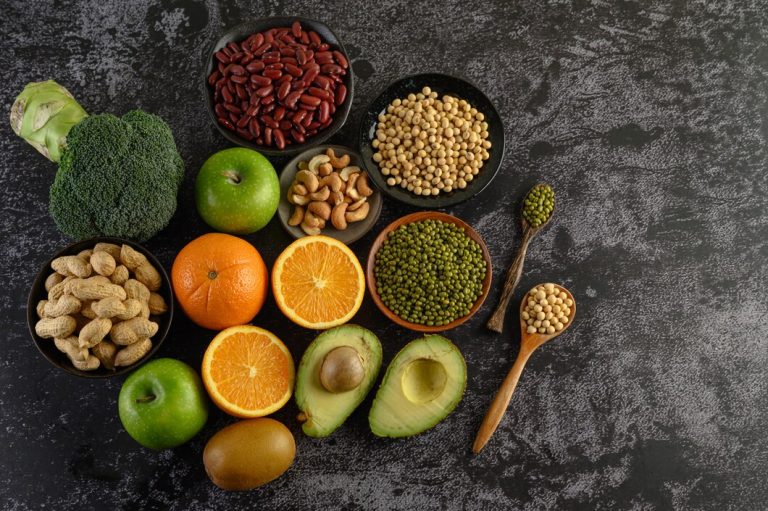
Prevention through better nutrition is becoming an increasingly important idea in modern healthcare as people, healthcare professionals, and researchers recognize the connection between everyday eating patterns and long-term health. The future of healthcare is gradually moving beyond treating illness after it appears and toward identifying risks earlier and supporting healthier lifestyles.
Nutrition and healthcare are therefore becoming closely connected through preventive healthcare, nutrition for disease prevention, and more personalized approaches to wellness. Better healthy nutrition, personalized nutrition, and preventive nutrition can support nutrition-based healthcare, while concepts such as diet and disease prevention, healthy eating habits, nutrition and wellness, and food as medicine continue to influence conversations about nutritional health and lifestyle disease prevention.
Why Prevention Is Becoming More Important in Healthcare
Traditional healthcare has often focused on diagnosing and treating diseases after symptoms become noticeable. Modern healthcare is increasingly interested in preventing problems before they develop or identifying risk at an earlier stage.
This shift matters because many chronic health conditions are influenced by multiple factors, including genetics, physical activity, sleep, stress, environment, and diet.
Nutrition cannot eliminate every health risk, but it can be an important part of a broader prevention strategy.
A balanced eating pattern can provide the body with essential nutrients while supporting normal physiological functions. Over time, consistently healthy choices can contribute to better overall health.
This is why preventive healthcare increasingly includes nutrition, physical activity, sleep management, health screenings, and other lifestyle factors.
The Connection Between Nutrition and Healthcare
The relationship between nutrition and healthcare is not new, but technology and research are making it easier to understand.
Food provides carbohydrates, proteins, fats, vitamins, minerals, fiber, and other compounds that the body needs. The quality and balance of a person’s diet can influence energy levels, body composition, metabolic health, digestive function, and other aspects of well-being.
Nutrition is therefore not simply about weight management.
It is also about providing the body with the resources required to function effectively.
Healthcare professionals can use dietary information alongside medical history, laboratory tests, physical activity patterns, and other factors when developing appropriate health strategies.
This integrated approach can make nutrition a meaningful part of healthcare prevention strategies.
How Better Nutrition Can Prevent Disease
One of the most important questions in modern health discussions is how better nutrition can prevent disease.
A healthy diet can support the body’s normal functions and may help reduce certain modifiable risk factors associated with chronic diseases.
For example, diets that emphasize vegetables, fruits, whole grains, legumes, nuts, seeds, and other nutrient-dense foods can provide fiber and a wide range of micronutrients.
At the same time, reducing excessive consumption of highly processed foods, added sugars, and unhealthy sources of saturated fats can support healthier overall dietary patterns.
However, nutrition should not be viewed as a guaranteed way to prevent every disease. Genetics, environment, age, access to healthcare, and many other factors influence health outcomes.
The most useful approach is to view nutrition as one important component of a broader prevention strategy.
Nutrition for Disease Prevention
Nutrition for disease prevention focuses on using dietary patterns to support health and potentially reduce modifiable risk factors.
Rather than concentrating on a single “superfood,” preventive nutrition emphasizes the overall quality of a person’s diet.
A diverse diet can provide different nutrients and plant compounds. Adequate protein can support tissue maintenance, while fiber supports digestive health. Healthy dietary fats contribute to normal biological functions, and micronutrients support numerous processes throughout the body.
The emphasis should therefore be on dietary patterns rather than miracle ingredients.
This perspective makes nutritional advice more realistic and sustainable.
The Role of Nutrition in Preventive Healthcare
The role of nutrition in preventive healthcare can be understood through three broad areas: risk reduction, early intervention, and long-term health support.
Risk Reduction
Healthy dietary patterns can contribute to managing several modifiable health risk factors.
Early Intervention
When someone has elevated risk for a health condition, appropriate dietary changes may become part of a broader health plan.
Long-Term Support
Consistent healthy eating habits can help people maintain healthier lifestyles over many years.
Nutrition works best when integrated with other preventive measures, including regular physical activity, adequate sleep, stress management, and appropriate medical screening.
Healthy Eating Habits and Long-Term Health
Healthy eating habits are often more important than short-term restrictive diets.
A sustainable approach might include:
- Eating a variety of vegetables and fruits
- Choosing whole grains regularly
- Including appropriate sources of protein
- Consuming healthy fats in suitable amounts
- Drinking sufficient water
- Limiting excessive added sugar
- Reducing excessive highly processed foods
- Paying attention to portion sizes
- Eating a diverse range of foods
The exact dietary pattern can vary between individuals.
A healthy diet does not need to look identical for everyone.
Cultural preferences, food availability, allergies, age, activity level, health conditions, and personal preferences all matter.
Personalized Nutrition and Preventive Healthcare
One of the most exciting areas in personalized nutrition is the possibility of creating dietary recommendations that are better suited to individual needs.
Two people can eat similar foods but experience different responses because of differences in genetics, metabolism, activity, gut microbiota, sleep, and other factors.
Advances in data collection may allow nutrition professionals to consider more individual information when developing dietary recommendations.
This could make personalized nutrition for preventive healthcare increasingly relevant.
However, personalized nutrition should still be based on reliable evidence. Not every commercial test or customized diet claim has strong scientific support.
The future will likely involve combining established nutritional principles with better individual-level information rather than replacing evidence-based nutrition with untested personalization.
Nutrition-Based Healthcare
Nutrition-based healthcare takes the idea of prevention further by integrating dietary strategies into healthcare planning.
For example, a healthcare team may consider nutrition when discussing cardiovascular risk, metabolic health, digestive concerns, or general wellness.
The exact dietary recommendations should depend on the person’s circumstances.
This approach can also encourage greater collaboration between doctors, registered dietitians, nutrition professionals, fitness experts, and other qualified practitioners.
Rather than treating nutrition as a separate subject, healthcare systems can make it part of a broader strategy for supporting health.
Diet and Disease Prevention
The relationship between diet and disease prevention is one of the most widely studied areas of nutritional science.
Certain dietary patterns have been associated with healthier outcomes, while diets dominated by highly processed foods and excessive energy intake may contribute to various health risks when consumed consistently.
Importantly, individual foods should not be treated as either completely “good” or “bad.”
Overall dietary patterns matter more than occasional choices.
Someone does not need to follow a perfect diet to benefit from healthier eating.
Small improvements maintained over time can be more realistic than extreme dietary restrictions.
Food as Medicine: Promise and Limitations
The phrase food as medicine has become increasingly popular because it highlights the relationship between nutrition and health.
Food can certainly play an important role in supporting health. However, the phrase should not be interpreted to mean that food can replace necessary medical treatment.
A nutritious diet can complement medical care, but people with diagnosed conditions should follow appropriate professional advice.
The future of healthcare may therefore use food as one part of a larger treatment and prevention framework rather than presenting nutrition as an alternative to evidence-based medical care.
How Nutrition Is Changing the Future of Healthcare
How nutrition is changing the future of healthcare can be seen in the growing emphasis on prevention and personalized health management.
Healthcare systems face increasing pressure from chronic diseases, aging populations, rising healthcare costs, and lifestyle-related risk factors.
Nutrition interventions may offer relatively accessible opportunities to support healthier behaviors.
Digital tools can also make nutritional guidance easier to monitor.
Food tracking applications, wearable devices, health platforms, and telehealth services can potentially help people understand patterns in their behavior.
However, technology should support qualified guidance rather than encourage obsessive tracking or unreliable dietary claims.
Benefits of Nutrition-Based Preventive Healthcare
There are several potential benefits of nutrition-based preventive healthcare.
Earlier Intervention
Nutrition can be addressed before health problems become more difficult to manage.
Better Lifestyle Awareness
People may become more aware of how daily food choices affect their overall well-being.
Personalized Support
Dietary recommendations can increasingly take individual circumstances into account.
Long-Term Health Focus
Prevention encourages people to think about health over decades rather than only responding to immediate symptoms.
Greater Patient Participation
Nutrition gives individuals practical actions they can incorporate into daily life.
These benefits make nutrition an important component of broader healthcare prevention strategies.
How Healthy Eating Supports Long-Term Health
How healthy eating supports long-term health depends on consistency rather than perfection.
The body requires adequate nutrients throughout life, and dietary needs change with age and circumstances.
Children require nutrients for growth and development. Adults need nutrition that supports energy, tissue maintenance, and overall health. Older adults may have changing nutritional requirements and different concerns related to appetite, muscle maintenance, and nutrient absorption.
A flexible, nutrient-rich dietary pattern can therefore support health across different life stages.
This is why nutrition and wellness should be considered a long-term relationship rather than a temporary diet challenge.
Nutrition Strategies for Disease Prevention
Effective nutrition strategies for disease prevention should be practical enough for people to maintain.
Some broad strategies include:
Increase Dietary Variety
Eating different foods can increase exposure to a wider range of nutrients.
Prioritize Plant Foods
Vegetables, fruits, legumes, whole grains, nuts, and seeds can form important components of many healthy dietary patterns.
Choose Appropriate Protein Sources
Protein can come from both plant and animal foods depending on individual dietary preferences.
Pay Attention to Food Quality
Minimally processed foods can be useful foundations for everyday meals.
Reduce Excessive Added Sugars
Limiting excessive sugar intake can support healthier overall dietary patterns.
Maintain Appropriate Portions
Even nutritious foods contribute energy, so overall quantity matters as well.
Stay Hydrated
Water is essential for normal bodily functions.
These strategies are general principles rather than individualized medical prescriptions.
Technology and the Future of Nutrition
Technology is expected to play a significant role in future trends in nutrition and healthcare.
Digital health platforms can collect information about food intake, physical activity, sleep, and other lifestyle factors.
Wearable devices can provide information about activity and physiological patterns.
Artificial intelligence may also assist healthcare professionals by organizing large amounts of health information and identifying patterns that deserve further attention.
However, technology must be used responsibly.
Privacy, data security, accuracy, accessibility, and scientific validation will remain important considerations.
The future should not simply involve collecting more data. It should involve using meaningful information to make better health decisions.
Gut Health and Preventive Nutrition
The connection between diet and digestive health is another growing area of interest.
Dietary fiber from foods such as legumes, vegetables, fruits, and whole grains supports normal digestive function. Different dietary components can also influence the microorganisms living in the digestive system.
Research into the gut microbiome is developing rapidly, and future discoveries may provide additional insights into how diet interacts with individual health.
However, this field is still evolving.
Consumers should be cautious about products that promise dramatic health transformations based on limited evidence.
The Role of Nutrition Education
Nutrition cannot become a major part of preventive healthcare if people do not have access to understandable information.
Schools, workplaces, healthcare organizations, and community programs can contribute to nutrition education.
People need practical skills such as:
- Understanding food labels
- Planning balanced meals
- Preparing affordable healthy foods
- Recognizing misleading health claims
- Understanding portion sizes
- Choosing nutrient-rich foods
- Developing sustainable eating habits
Better nutrition education can help people make informed decisions rather than following every new diet trend.
Making Preventive Nutrition Accessible
One major challenge for the future is affordability.
Healthy food choices are not equally accessible to everyone. Income, location, food availability, time, cooking facilities, and cultural factors can influence dietary choices.
Therefore, preventive nutrition should not simply tell people to buy expensive specialty foods.
Effective nutrition strategies should include affordable and culturally appropriate options.
Beans, lentils, whole grains, seasonal vegetables, fruits, and other accessible foods can be part of nutritious meals in many communities.
Healthcare prevention strategies must consider these real-world barriers.
The Future of Healthcare and Nutrition
The future of healthcare and nutrition will likely become more integrated.
Instead of discussing nutrition only after someone develops a health problem, healthcare systems may increasingly include dietary assessment as part of routine preventive care.
Primary care providers may work more closely with nutrition professionals.
Digital platforms may make follow-up easier.
Community programs may provide practical food education.
Personalized data may help refine dietary recommendations.
Together, these changes could shift healthcare toward a model that focuses more heavily on maintaining health rather than simply treating illness.
Future Trends in Nutrition and Healthcare
Several future trends in nutrition and healthcare are likely to receive continued attention:
Personalized Dietary Guidance
Nutrition recommendations may increasingly reflect individual characteristics and lifestyle factors.
Digital Nutrition Coaching
Online tools may provide reminders, meal planning support, and educational resources.
Preventive Health Screening
Healthcare providers may combine nutrition information with other health data to identify risks earlier.
Greater Interest in Food Quality
Consumers may pay more attention to ingredient quality and overall dietary patterns.
Integration of Nutrition Professionals
Healthcare teams may increasingly include qualified nutrition specialists.
Sustainable Nutrition
The relationship between food choices, environmental sustainability, affordability, and health may become increasingly important.
These developments could make nutrition a more visible part of preventive care.
Challenges Facing Nutrition-Based Healthcare
Despite its potential, nutrition-based prevention has limitations.
Not everyone has equal access to nutritious food. Dietary recommendations can also be difficult to follow because of cultural preferences, busy schedules, financial constraints, and individual health needs.
There is also a large amount of conflicting nutrition information online.
One day, a particular food may be promoted as a miracle ingredient, while another trend may encourage eliminating an entire food group.
This makes evidence-based nutrition education essential.
Healthcare professionals must communicate realistic recommendations while acknowledging uncertainty where scientific evidence is still developing.
Using Nutrition to Improve Preventive Healthcare
Using nutrition to improve preventive healthcare requires cooperation among individuals, healthcare systems, communities, researchers, food producers, and policymakers.
Individuals can develop healthier eating habits.
Healthcare providers can discuss nutrition during routine care.
Dietitians can provide individualized dietary support.
Schools can teach practical food skills.
Communities can improve access to nutritious foods.
Policymakers can support programs that make healthier food options more accessible.
When these efforts work together, nutrition becomes part of a larger prevention ecosystem.
Conclusion
The future of healthcare is increasingly focused on prevention, and nutrition has an important role to play in that transformation. Prevention through better nutrition is not about following a perfect diet or relying on one magical food. It is about building sustainable dietary patterns that provide essential nutrients and support overall health.
The connection between nutrition and healthcare, preventive healthcare, and nutrition-based healthcare is likely to become even stronger as research and technology advance. Personalized nutrition, digital health tools, improved nutrition education, and greater awareness of diet and disease prevention may help individuals make more informed decisions.
At the same time, nutrition should remain part of a broader approach that includes physical activity, sleep, stress management, medical screening, and appropriate treatment when necessary.
The most promising future is one in which healthcare does not wait for preventable problems to become serious. Instead, it helps people understand their risks, develop realistic healthy eating habits, and make sustainable lifestyle choices.
By combining scientific research with practical nutrition guidance, healthcare systems can move closer to a model where prevention is not an occasional conversation but an everyday part of maintaining health. How diet can reduce disease risk will continue to be an important research question, but the broader message is already clear: nutritious food, healthy lifestyle habits, and appropriate preventive care can work together to support better long-term health.
About the Author