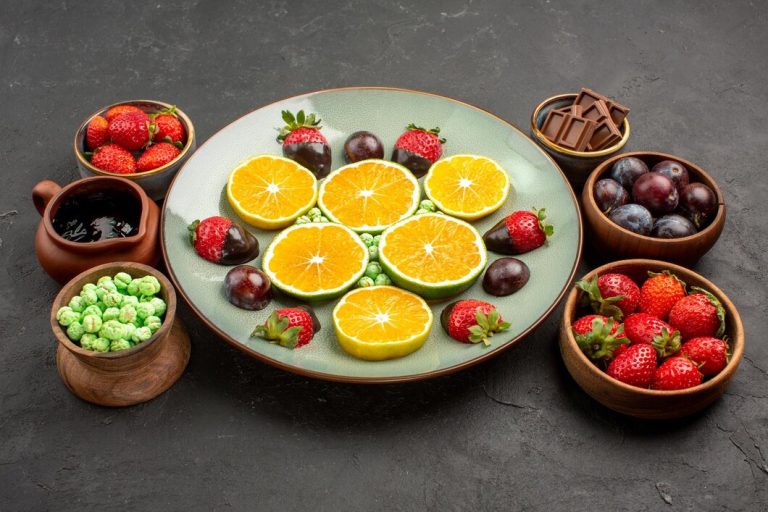
A menopause nutrition guide can help women understand how everyday food choices may support health and well-being during the menopausal transition. Menopause is a natural stage of life, but hormonal changes can be accompanied by changes in sleep, body composition, bone health, cardiovascular health, digestion, and energy levels. A thoughtful approach to menopause nutrition can provide important nutrients while supporting healthy eating habits. Rather than following a highly restrictive menopause diet, focus on varied, nutrient-dense foods, adequate protein, fiber-rich carbohydrates, healthy fats, fruits, vegetables, and sufficient fluids.
Understanding Nutrition During Menopause
Menopause marks the end of menstrual periods and is associated with a decline in ovarian hormone production. The transition can occur gradually during perimenopause before periods eventually stop.
Food does not prevent menopause, but nutrition can play an important role in supporting overall health during this stage. Dietary needs may become particularly important because changes in hormones, activity levels, appetite, and body composition can influence nutritional requirements.
A balanced approach to nutrition for menopause should focus on meeting the body’s nutritional needs rather than attempting to eliminate individual foods without a clear reason.
Important areas to consider include:
- Protein intake
- Calcium and vitamin D
- Fiber
- Healthy fats
- Iron when needed
- Magnesium
- Potassium
- Vitamin B12
- Folate
- Adequate hydration
- Overall calorie and nutrient balance
What to Eat During Menopause
If you are wondering what to eat during menopause, start with a wide variety of minimally processed foods. A balanced plate can include vegetables, fruits, whole grains, legumes, protein-rich foods, and healthy sources of fat.
Useful menopause foods can include:
- Leafy green vegetables
- Broccoli and other cruciferous vegetables
- Berries and other fruits
- Oats and whole grains
- Lentils and beans
- Soy foods such as tofu and tempeh
- Yogurt or fortified dairy alternatives
- Nuts and seeds
- Avocado
- Olive oil
- Fatty fish for people who eat seafood
- Eggs for people who consume them
The objective is variety. No single food can provide everything needed for good health.
Prioritize Protein-Rich Foods
Protein becomes an important consideration during menopause because maintaining muscle mass supports strength, mobility, and healthy aging.
Protein can be obtained from both animal and plant sources. Depending on dietary preferences, options may include beans, lentils, chickpeas, tofu, tempeh, eggs, yogurt, fish, poultry, and other protein-rich foods.
Including a protein source in meals can also make meals more satisfying.
For example, a menopause meal plan might include oatmeal with yogurt and nuts for breakfast, a lentil and vegetable bowl for lunch, and tofu or fish with vegetables and whole grains for dinner.
Individual protein needs vary based on factors such as body size, activity level, age, and health status.
Include Calcium-Rich Foods
Bone health is an important consideration during menopause. Hormonal changes can contribute to increased bone loss, making adequate calcium and vitamin D particularly relevant.
Calcium-rich menopause-friendly foods may include:
- Milk
- Yogurt
- Cheese
- Calcium-fortified plant milks
- Calcium-set tofu
- Certain leafy greens
- Canned fish with edible bones
- Fortified foods
The best sources depend on dietary preferences and individual nutritional requirements.
Vitamin D also helps the body absorb calcium. Food sources include fortified products, eggs, and some fish, while sunlight contributes to vitamin D production. Requirements can vary depending on location, lifestyle, skin exposure, and individual circumstances.
Eat Plenty of Vegetables and Fruits
Vegetables and fruits are valuable components of a healthy diet for menopause because they provide fiber, vitamins, minerals, and plant compounds.
Try including different colors throughout the week:
- Green leafy vegetables
- Red peppers
- Orange vegetables
- Purple cabbage
- Tomatoes
- Berries
- Citrus fruits
- Apples
- Kiwi
- Melons
Instead of concentrating on one so-called “superfood,” variety is a more practical approach to healthy eating during menopause.
Fresh, frozen, and appropriately stored canned produce can all contribute to a nutritious diet.
Choose High-Fiber Foods
Fiber supports digestive health and can help create satisfying meals. This nutrient occurs naturally in a variety of plant-based foods, including fruits, vegetables, whole grains, legumes, nuts, and seeds.
Examples include:
- Oats
- Barley
- Brown rice
- Whole-grain bread
- Lentils
- Chickpeas
- Beans
- Chia seeds
- Flaxseeds
- Apples
- Pears
- Vegetables
Increasing fiber gradually while drinking enough fluids can make dietary changes easier to tolerate.
Fiber-rich foods can also be useful when developing a balanced diet for menopause, especially when replacing highly refined foods with whole-food alternatives.
Include Healthy Fats
Healthy fats are another important part of foods for menopause. Sources include nuts, seeds, avocados, olive oil, and certain fish.
Omega-3 fatty acids are found in foods such as fatty fish, while plant sources include flaxseeds, chia seeds, and walnuts. People following vegetarian or vegan diets can discuss appropriate sources with a healthcare professional if they have concerns about omega-3 intake.
Instead of eliminating dietary fat, focus on choosing a variety of nutrient-rich sources and keeping overall intake appropriate for your needs.
Consider Soy Foods
Soy foods such as tofu, tempeh, edamame, and fortified soy milk can be useful additions to a menopause eating pattern.
Soy contains isoflavones, naturally occurring compounds that have been studied in relation to menopausal symptoms. Research findings vary, and individual responses can differ.
For many people, minimally processed soy foods can simply serve as nutritious sources of protein and other nutrients.
If you have questions about whether particular soy products are appropriate for you, especially if you have a specific medical condition or take medication, discuss them with a qualified healthcare professional.
Do Not Forget Hydration
Hydration is sometimes overlooked when discussing menopause wellness.
Water is essential for numerous bodily functions. Individual fluid requirements vary depending on body size, activity, climate, diet, and other factors.
You can maintain hydration through water and other suitable beverages, while fruits and vegetables also contribute fluid.
Keeping a reusable water bottle nearby can make regular drinking easier throughout the day.
Nutrients Needed During Menopause
Several nutrients deserve attention when planning meals during menopause.
Calcium
Calcium supports bones and teeth and is particularly important as bone health becomes a greater nutritional consideration with age.
Vitamin D
Vitamin D supports calcium absorption and bone health and has other physiological roles.
Protein
Protein helps maintain muscles and supports many functions throughout the body.
Fiber
Dietary fiber promotes healthy digestion while helping meals feel more filling and satisfying.
Magnesium
Magnesium is involved in numerous bodily processes and can be obtained from foods such as nuts, seeds, whole grains, legumes, and leafy greens.
Vitamin B12
Vitamin B12 is important for blood and nervous-system functions. Requirements and supplementation needs can vary, particularly for people following plant-based diets or those with absorption issues.
Omega-3 Fatty Acids
Omega-3 fats are found in certain fish and plant foods such as flax and chia seeds. They are part of a balanced eating pattern.
These nutrients needed during menopause should ideally come from a varied diet, with supplements used when medically appropriate.
Limit Highly Processed Foods
A nutritious menopause eating pattern does not require completely eliminating processed foods. However, frequently consuming foods high in added sugars, sodium, and unhealthy fats can make it harder to maintain an overall nutrient-rich diet.
Instead of focusing on strict restrictions, build most meals around nutrient-dense foods.
For example, choose:
- Whole grains instead of refined grains more often
- Fruit instead of sugary desserts on some occasions
- Nuts instead of heavily processed snacks
- Homemade meals when practical
- Vegetables alongside main dishes
These are practical menopause nutrition tips rather than rigid dietary rules.
Watch Your Added Sugar Intake
Sweet foods can fit into a balanced eating pattern, but frequently consuming large amounts of added sugar may contribute substantial calories without providing many essential nutrients.
If you regularly crave something sweet, consider pairing naturally sweet foods with protein or healthy fats.
Examples include fruit with yogurt, apple slices with nut butter, or berries with unsweetened yogurt.
The goal is not to eliminate enjoyable foods but to create an eating pattern that provides nutritional value throughout the day.
Pay Attention to Alcohol and Caffeine
Some women notice that alcohol or caffeine affects symptoms such as sleep disturbances or hot flashes, although responses differ.
If you notice that a particular beverage appears to trigger or worsen a symptom, keeping a food and symptom diary can help you identify patterns.
Rather than assuming everyone needs the same restrictions, pay attention to individual tolerance and discuss persistent or concerning symptoms with a healthcare professional.
Build a Practical Menopause Meal Plan
A balanced menopause meal plan does not need to be complicated.
Breakfast
Try oatmeal topped with berries, chia seeds, and yogurt or a fortified plant-based alternative.
Another option could be whole-grain toast with avocado and eggs, accompanied by fruit.
Lunch
A grain bowl can combine:
- Quinoa or brown rice
- Chickpeas or tofu
- Leafy greens
- Tomatoes
- Cucumber
- Seeds
- Olive-oil-based dressing
Snack
Choose fruit with nuts, yogurt with seeds, or vegetables with hummus.
Dinner
A balanced dinner could include roasted vegetables, lentils or fish, and a whole grain such as brown rice or quinoa.
These healthy meal ideas for menopause can be adjusted according to cultural preferences, dietary restrictions, budget, and individual nutritional requirements.
Menopause Meal Planning Tips
Good menopause meal planning tips can make healthy eating easier during busy weeks.
Start by selecting a few protein sources, several vegetables, fruits, whole grains, and healthy fats for the week.
Then prepare some ingredients in advance.
For example:
- Cook a batch of beans or lentils.
- Wash and portion vegetables.
- Prepare whole grains.
- Keep fruit readily available.
- Portion nuts and seeds for convenient snacks.
- Prepare simple sauces or dressings.
Meal planning does not require you to cook or prepare every dish ahead of time. It simply reduces the need to make last-minute food choices when you are hungry or busy.
Foods to Include in a Menopause Diet
When deciding on foods to include in a menopause diet, think about food groups rather than individual miracle foods.
Include:
Vegetables: Include nutrient-rich options such as spinach and other leafy greens, broccoli, carrots, bell peppers, tomatoes, and a variety of colorful produce.
Fruits: berries, oranges, apples, pears, kiwi, and seasonal fruits.
Protein: beans, lentils, chickpeas, tofu, tempeh, eggs, yogurt, fish, poultry, or other suitable choices.
Whole grains: oats, brown rice, quinoa, barley, whole-grain bread, and whole-grain pasta.
Healthy fats: nuts, seeds, avocado, olive oil, and suitable sources of omega-3 fats.
Calcium-rich foods: dairy products or fortified plant-based alternatives and other suitable calcium sources.
This broad approach supports variety and makes a diet for menopausal women easier to maintain.
How Nutrition Can Support Menopause
Understanding how nutrition can support menopause involves looking beyond individual symptoms.
A nutrient-rich eating pattern can support:
- Bone health
- Muscle maintenance
- Cardiovascular health
- Digestive health
- Energy levels
- Healthy body composition
- Overall nutritional adequacy
However, diet is only one part of menopause health. Regular physical activity, adequate sleep, stress management, preventive healthcare, and appropriate medical care can also contribute to overall well-being.
Nutrition should complement—not replace—professional evaluation when symptoms are severe, persistent, or concerning.
Healthy Eating Tips for Menopausal Women
Here are practical healthy eating tips for menopausal women:
- Include protein in regular meals.
- Eat a variety of vegetables and fruits.
- Choose whole grains frequently.
- Include calcium-rich foods.
- Consume sources of healthy fats.
- Drink enough fluids.
- Limit highly processed foods when possible.
- Keep added sugar moderate.
- Plan meals around foods you enjoy.
- Avoid unnecessarily restrictive diets.
- Pay attention to foods that seem to trigger individual symptoms.
- Adjust portions according to your hunger, activity, and nutritional needs.
Small changes are often easier to maintain than dramatic dietary restrictions.
Can Diet Help With Menopause Symptoms?
Many women are interested in finding the best diet for menopause symptoms, but there is no single diet that works identically for everyone.
Some people may notice that certain foods influence symptoms such as hot flashes, digestive discomfort, sleep, or energy. Others may not notice meaningful food-related changes.
A Mediterranean-style eating pattern is often discussed in menopause nutrition because it emphasizes vegetables, fruits, whole grains, legumes, nuts, seeds, olive oil, and other nutrient-rich foods. However, the most appropriate eating pattern depends on individual health needs, preferences, culture, and dietary restrictions.
Keeping a simple record of meals and symptoms may help identify personal patterns.
Common Mistakes to Avoid
Some menopause diet approaches become unnecessarily restrictive.
Avoid assuming that you must completely remove carbohydrates, fats, soy, dairy, or other entire food groups unless there is a specific medical or dietary reason.
Another common mistake is focusing entirely on weight loss while ignoring nutritional adequacy. Body composition can change during menopause, but nutrition should also support muscle, bone, cardiovascular, and overall health.
Extreme calorie restriction can make it harder to obtain sufficient nutrients and may not be sustainable.
A balanced approach is generally more practical than constantly switching between restrictive diets.
A Sustainable Approach to Menopause Wellness
Menopause wellness involves more than food. Nutrition can provide a foundation, but healthy routines work best when they fit into everyday life.
Aim for meals that are enjoyable, culturally appropriate, affordable, and realistic.There’s no need to aim for perfection with every meal; focus instead on making balanced and nourishing choices consistently.
If one meal is less balanced than planned, simply return to your normal eating pattern at the next meal.
Building healthy habits consistently over time is more important than striving for perfection every day.
Final Thoughts
This menopause diet and nutrition guide highlights the importance of variety, balance, and adequate nutrition during a significant stage of life. There is no universal menu that every woman needs to follow. Instead, focus on vegetables, fruits, whole grains, legumes, protein-rich foods, healthy fats, calcium-rich foods, and other nutrient-dense choices.
A common question during menopause is, “Which foods are most beneficial to include in your daily diet?” is best answered with a broad food-first approach rather than a list of miracle foods. Choose foods that provide essential nutrients, support an active lifestyle, and fit your personal preferences.
The best foods to eat during menopause are therefore not necessarily exotic or expensive. Everyday foods such as vegetables, fruits, beans, lentils, whole grains, nuts, seeds, tofu, yogurt, fortified foods, and suitable protein sources can form the foundation of a nutritious eating pattern.
Ultimately, how to eat healthy during menopause comes down to creating sustainable habits: plan balanced meals, eat a variety of foods, stay hydrated, include important nutrients, listen to your body’s responses, and seek professional guidance when individual health concerns require it. With a thoughtful approach to menopause nutrition, food can become an important part of supporting long-term health and well-being during and beyond menopause.
About the Author