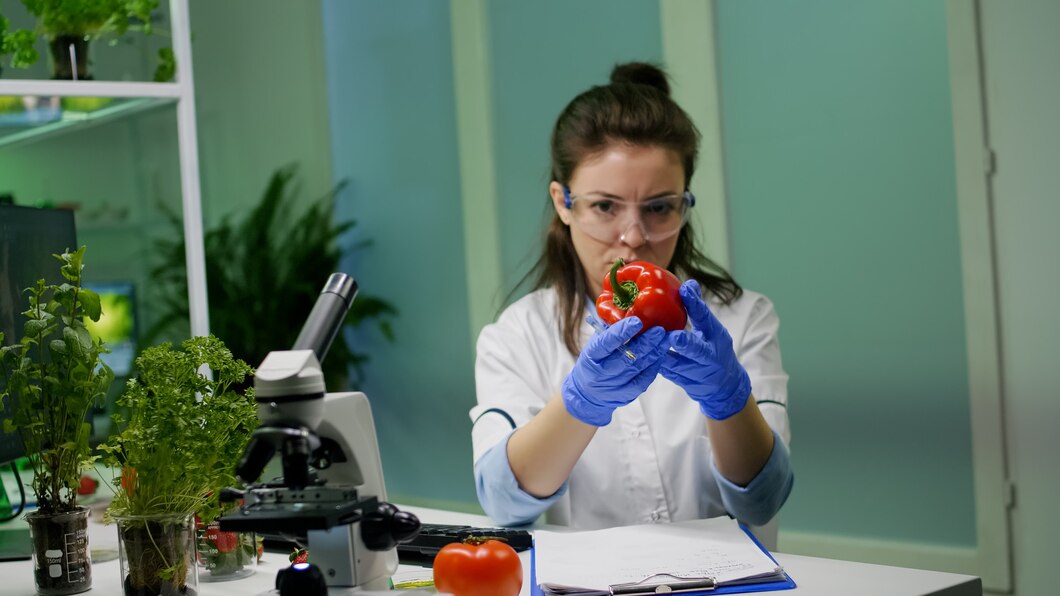
The future of precision nutrition technology is changing how people understand food, health, metabolism, and individual dietary needs. Instead of recommending the same diet to everyone, precision nutrition combines personal health information, lifestyle patterns, genetics, biomarkers, and digital tools to create more individualized recommendations. The rise of personalized nutrition, personalized nutrition technology, and nutrition technology is making it possible to collect and analyze information that was previously difficult to access. From wearable devices and continuous glucose monitoring to artificial intelligence, microbiome analysis, genetic testing, and nutrition apps, technology is creating new possibilities for smart nutrition. These developments are driving major precision nutrition trends and could fundamentally change the future of precision nutrition.
What Is Precision Nutrition?
Precision nutrition is an approach to dietary planning that recognizes that people can respond differently to the same foods and eating patterns.
Traditional nutrition advice often provides broad recommendations based on age, sex, activity level, or general health goals. While these recommendations can be useful, they may not account for the many factors that influence how an individual responds to food.
Precision nutrition attempts to bring together a wider range of information, including:
- Genetics
- Metabolism
- Physical activity
- Sleep
- Lifestyle
- Medical history
- Dietary habits
- Microbiome characteristics
- Blood biomarkers
- Glucose responses
- Body composition
- Environmental influences
This is where technology in nutrition becomes increasingly important. Digital tools can collect large amounts of information and help turn that information into useful insights.
How Technology Will Shape Precision Nutrition
The question of how technology will shape precision nutrition is closely connected to the development of data-driven healthcare.
Modern devices can continuously collect information that was previously available only during occasional medical or laboratory assessments. Smartphones can record meals and activity. Wearables can monitor movement and sleep. Sensors can provide glucose information. Genetic testing can reveal certain biological variations. Artificial intelligence can analyze large datasets.
Together, these technologies can create a more complete picture of an individual’s health and dietary patterns.
The role of technology in precision nutrition will therefore extend beyond simply recommending foods. Technology could help people understand how their bodies respond to different foods, identify patterns, track progress, and adjust dietary strategies over time.
The Rise of Personalized Nutrition
The future of personalized nutrition is likely to become increasingly data-driven.
Personalized nutrition aims to create dietary recommendations that reflect the individual rather than relying entirely on population-level averages.
For example, two people may eat the same meal but experience different levels of hunger, energy, glucose response, or satiety. Their differences may be influenced by genetics, activity, sleep, gut microbiota, metabolism, or other factors.
Technology can help collect information about these differences.
A personalized system might combine:
Health data + dietary information + lifestyle data + biological information + behavioral patterns = individualized nutrition insights
This does not mean technology will automatically create a perfect diet. Instead, it can provide additional information that may help individuals and professionals make more informed decisions.
Artificial Intelligence in Precision Nutrition
AI in precision nutrition is one of the most promising areas of nutrition innovation.
Artificial intelligence can process large datasets much faster than traditional manual approaches. It can identify relationships between dietary patterns, lifestyle factors, biomarkers, and health outcomes that may be difficult to detect using simple analysis.
Artificial intelligence in nutrition could be used for:
- Meal recommendations
- Food pattern analysis
- Nutrient tracking
- Personalized diet planning
- Recipe customization
- Food substitution
- Dietary behavior analysis
- Predictive modeling
- Health trend identification
For example, an AI-powered nutrition platform could analyze a person’s dietary history, activity data, sleep patterns, and other available information to suggest meal options aligned with their stated goals.
The quality of those recommendations, however, depends on the quality of the underlying data and the scientific models used.
AI-Powered Nutrition and Personalized Recommendations
AI-powered nutrition could make dietary planning more dynamic.
Traditional diet plans are often created at a particular point in time. However, people’s routines change. Activity levels fluctuate, schedules change, preferences evolve, and health circumstances can change.
An AI-based system could potentially respond to these changes.
For example, if a person records several weeks of meals and activity, an AI system could identify recurring patterns and suggest adjustments. It might recommend different meal options on days with higher activity or provide alternatives based on dietary preferences.
The future could therefore move from static diet plans toward continuously updated personalized diet plans.
Machine Learning and Nutrition
Machine learning and nutrition are closely connected because nutrition generates large quantities of data.
Machine learning systems can identify patterns in datasets and use those patterns to make predictions or classifications.
Potential applications include studying relationships between:
- Food intake and glucose response
- Dietary patterns and biomarkers
- Activity and energy expenditure
- Sleep and eating behavior
- Microbiome characteristics and dietary response
- Individual characteristics and nutrient requirements
Over time, larger datasets could help researchers develop better models for understanding individual variation.
However, machine learning does not automatically establish cause and effect. A correlation found in a dataset still needs appropriate scientific interpretation.
Wearable Technology for Nutrition
Wearable technology for nutrition is another important development.
Smartwatches, fitness trackers, rings, and other wearable devices can collect information related to daily behavior.
Depending on the device, information may include:
- Physical activity
- Heart rate
- Sleep duration
- Sleep patterns
- Exercise sessions
- Movement
- Estimated energy expenditure
This information can add context to nutrition data.
For example, a nutrition platform may understand dietary choices differently when it knows whether an individual had a highly active day or a relatively inactive day.
The combination of nutrition information and wearable health technology could make personalized recommendations more responsive.
Health Tracking Devices and Nutrition
Modern health tracking devices increasingly function as personal data collection tools.
Instead of relying entirely on occasional measurements, users can build longer-term records of selected health and lifestyle indicators.
This creates opportunities for longitudinal analysis.
A person might notice relationships between:
- Sleep and appetite
- Exercise and energy levels
- Meal timing and daily performance
- Dietary patterns and glucose responses
- Stress and eating behavior
Technology can make these patterns easier to visualize.
However, users should avoid assuming that every correlation represents a medically meaningful relationship. Professional interpretation may still be necessary, particularly when health decisions are involved.
Continuous Glucose Monitoring
Continuous glucose monitoring is becoming an important technology in discussions around personalized nutrition.
These devices can provide information about glucose patterns over time rather than relying only on occasional measurements.
From a precision nutrition perspective, this creates an opportunity to observe how glucose levels respond to different meals, physical activity, sleep, and other factors.
A future nutrition platform could potentially combine glucose information with meal records and activity data to identify individual patterns.
For example, users might compare their responses to different meals and observe how factors such as meal composition, timing, and activity influence their glucose patterns.
However, glucose data should be interpreted carefully. A short-term glucose response is only one piece of a person’s overall health picture.
Microbiome Analysis and Personalized Nutrition
The gut microbiome is another area receiving significant attention.
Microbiome analysis examines microorganisms living in and on the human body, particularly those found in the digestive system.
Researchers are investigating relationships between the microbiome, diet, metabolism, immunity, and other aspects of health.
The future of precision nutrition may involve using microbiome information alongside other forms of health data.
This could eventually support more individualized dietary research, although microbiome-based nutrition recommendations are still an evolving field.
A person’s microbiome is complex and can change in response to diet, environment, medication, lifestyle, and other factors.
Therefore, technology should be used to support evidence-based interpretation rather than treating a single microbiome test as a complete description of health.
Genetic Testing for Personalized Nutrition
Genetic testing for personalized nutrition has also attracted interest.
Certain genetic variations can influence biological processes related to nutrient metabolism, taste perception, caffeine metabolism, lactose digestion, and other characteristics.
The field connecting genetics and nutrition is often called nutrigenomics.
Precision nutrition based on genetics attempts to understand whether genetic information can help personalize dietary recommendations.
For example, genetic information may provide insights into how certain individuals process particular nutrients or compounds.
However, genes are only one part of the picture.
Dietary responses are also influenced by lifestyle, environment, activity, sleep, microbiome composition, and many other variables.
Therefore, the future of genetic-based nutrition is more likely to involve genetics as one component of a broader data ecosystem rather than treating DNA as the only determinant of dietary needs.
Nutrigenomics and the Future of Nutrition
Nutrigenomics examines interactions between genes and nutrition.
As genetic research advances, technology may make it easier to study how dietary factors interact with biological differences.
This could contribute to research into:
- Nutrient metabolism
- Dietary response
- Metabolic pathways
- Individual differences
- Food-related biological processes
The long-term goal is not simply to create a “gene-based diet.” Instead, researchers are interested in understanding the complex relationship between genes, diet, and health.
Future nutrition innovation may combine nutrigenomics with wearable data, microbiome information, laboratory biomarkers, and lifestyle information.
Nutrition Apps and Personalized Diets
Nutrition apps and personalized diets are already changing how people track food and manage dietary habits.
Modern nutrition apps can provide functions such as:
- Food logging
- Calorie tracking
- Nutrient tracking
- Meal planning
- Recipe suggestions
- Grocery lists
- Goal setting
- Progress tracking
The next generation of nutrition apps may become more personalized.
Instead of simply counting calories, apps could combine information from multiple sources and provide context-aware recommendations.
For example, a future app might consider dietary preferences, activity, sleep, meal timing, and other user-provided information when generating meal suggestions.
This could make digital nutrition more interactive and useful.
Data-Driven Nutrition Planning
Data-driven nutrition planning is likely to become one of the central features of future nutrition technology.
Instead of creating recommendations from a small number of inputs, future systems may combine information from several sources.
A data-driven nutrition platform could potentially use:
- Dietary records
- Activity data
- Sleep information
- Biomarkers
- Glucose measurements
- Genetic information
- Microbiome information
- Body measurements
- Personal preferences
- Long-term behavioral patterns
The challenge will be determining which data actually provides meaningful value.
More data does not automatically mean better nutrition recommendations.
Effective systems will need to distinguish useful signals from noise.
Personalized Diet Based on Health Data
A personalized diet based on health data could become more adaptive than conventional diet plans.
For example, a system might identify that a person regularly struggles to follow complicated meal plans. Instead of simply recommending a nutritionally ideal menu, it could prioritize simple meals that match the person’s lifestyle and preferences.
This is important because nutrition is not only about biological responses. Behavior and practicality also matter.
A theoretically excellent diet that someone cannot maintain may be less useful than a practical eating pattern that they can follow consistently.
Technology can potentially bring these behavioral factors into nutrition planning.
Digital Health and Precision Nutrition
The growth of digital health is creating a broader ecosystem for precision nutrition.
Digital health includes technologies such as:
- Mobile health applications
- Wearable devices
- Remote monitoring
- Digital medical records
- Health platforms
- Connected sensors
- Telehealth technologies
Nutrition can become part of this wider digital health ecosystem.
For example, dietary information could potentially be integrated with activity, sleep, laboratory, and other health information where appropriate and with suitable privacy protections.
This could make nutrition a more connected part of preventive and personalized healthcare.
Health Data Analytics
Health data analytics will be essential for turning large amounts of information into meaningful insights.
A wearable device might collect thousands of data points, but raw data alone does not provide useful guidance.
Analytics systems need to:
- Organize information
- Identify patterns
- Detect changes
- Compare trends
- Reduce unnecessary noise
- Present understandable insights
The future of nutrition technology will therefore depend not only on sensors and devices but also on sophisticated analytical systems.
Technology and Personalized Nutrition: From Tracking to Prediction
The technology and personalized nutrition relationship is likely to evolve through several stages.
Stage 1: Tracking
Users record what they eat and how active they are.
Stage 2: Understanding
Systems identify patterns within the collected data.
Stage 3: Personalization
Recommendations are adjusted according to individual characteristics.
Stage 4: Prediction
Advanced models attempt to predict how an individual may respond to specific dietary choices.
Stage 5: Continuous Adaptation
The system updates recommendations as new information becomes available.
This progression represents an important direction for the future of personalized nutrition.
How Technology Is Transforming Nutrition
How technology is transforming nutrition can be understood through the shift from general advice to individualized information.
Technology makes it possible to collect more data, analyze it faster, and deliver recommendations directly to users.
It also creates opportunities for greater engagement.
A person may be more motivated to change dietary habits when they can see their own progress, track behavior, and receive personalized feedback.
However, technology should complement rather than replace sound nutrition science and professional guidance.
Smart Nutrition and Real-Time Feedback
The concept of smart nutrition could involve real-time or near-real-time feedback.
Imagine a future system that combines meal information, activity data, sleep patterns, and other available measurements.
Instead of providing a fixed plan for an entire month, it could provide suggestions that respond to changing circumstances.
For example:
- Adjust meal suggestions after changes in activity
- Recommend practical meals based on available foods
- Highlight nutritional gaps in recorded diets
- Suggest healthier alternatives
- Track consistency over time
This could make nutrition planning more flexible.
The Role of Smartphones in Precision Nutrition
Smartphones are likely to remain central to the future of precision nutrition technology because they can act as the connection point between users, apps, sensors, and cloud-based systems.
A smartphone can collect information through:
- Nutrition applications
- Camera-based food recognition
- Connected wearables
- Health platforms
- Activity tracking
- Manual food records
- Voice-based assistants
Future applications may make food logging faster by using images, voice, or automated data connections.
For example, a user could photograph a meal and receive an estimated nutritional breakdown. Such technology can be useful, although image-based estimates may not always be accurate enough for precise dietary assessment.
The Future of AI in Healthcare and Nutrition
The broader development of artificial intelligence in healthcare will influence nutrition.
AI may support healthcare professionals by helping organize patient information, identify patterns, and generate decision-support insights.
In nutrition, AI could potentially help professionals analyze large amounts of dietary and health information more efficiently.
However, AI systems must be carefully designed and validated.
Nutrition recommendations can affect health, so accuracy, transparency, privacy, and appropriate professional oversight are important.
The future is therefore more likely to involve collaboration between AI systems and healthcare professionals rather than completely replacing nutrition expertise.
Privacy and Security Challenges
The growth of precision nutrition technology also creates important privacy concerns.
Nutrition platforms may collect sensitive information about:
- Eating habits
- Health conditions
- Genetic characteristics
- Physical activity
- Sleep
- Biomarkers
- Location
- Lifestyle
Organizations handling this information need strong data security practices.
Users should understand what information is being collected, how it is stored, who can access it, and how it may be used.
As personalized nutrition becomes increasingly data-driven, responsible data management will become just as important as technological innovation.
Accuracy and Reliability of Nutrition Technology
Another challenge is data accuracy.
A wearable may estimate energy expenditure. A nutrition app may estimate portion sizes. A food recognition system may identify ingredients. A genetic test may provide information about selected genetic variants.
None of these measurements should automatically be treated as perfect.
The future of nutrition technology will require:
- Better sensors
- Improved algorithms
- Validated measurement methods
- High-quality food databases
- Transparent limitations
- Scientific research
- Professional interpretation where appropriate
Technology is most useful when users understand both its capabilities and its limitations.
Making Precision Nutrition More Accessible
One of the most important future trends in personalized nutrition could be greater accessibility.
Historically, advanced nutritional testing and personalized healthcare could be expensive or difficult to access.
As technologies mature, some tools may become more affordable and widely available.
Smartphone applications, wearable devices, remote monitoring, and digital platforms can potentially make personalized nutrition support available to more people.
However, accessibility will depend on cost, infrastructure, digital literacy, healthcare integration, and responsible technology design.
The Future Trends in Personalized Nutrition
Several precision nutrition trends are likely to influence the coming years.
1. Greater AI Integration
AI will increasingly help analyze dietary and health information.
2. Connected Health Devices
Wearables and sensors will provide more continuous information.
3. Integrated Health Data
Nutrition information may increasingly connect with other forms of digital health data.
4. Personalized Meal Planning
Applications may generate meal recommendations based on individual goals, preferences, and available data.
5. Advanced Biomarker Monitoring
More sophisticated monitoring technologies could provide additional information about individual responses.
6. Microbiome Research
Microbiome science may contribute to a deeper understanding of individual dietary responses.
7. Nutrigenomics
Research into gene-diet interactions may become increasingly integrated into precision nutrition research.
8. Preventive Nutrition
Technology may increasingly focus on helping people identify risks and improve habits before serious health problems develop.
Challenges That Could Shape the Future
Despite its potential, the future of precision nutrition will face several challenges.
The first is scientific complexity. Human nutrition involves thousands of interacting variables, making it difficult to predict outcomes with complete accuracy.
The second is data quality. Poor dietary records or inaccurate measurements can lead to poor recommendations.
The third is privacy. Large amounts of personal health data require careful protection.
The fourth is accessibility. Advanced technologies should not become available only to people who can afford expensive testing and devices.
The fifth is overpersonalization. Not every health decision requires highly complex data. Sometimes basic evidence-based nutrition advice remains highly valuable.
How Consumers Can Use Nutrition Technology Responsibly
Consumers can benefit from nutrition technology while maintaining realistic expectations.
Useful practices include:
- Treat app recommendations as guidance rather than absolute medical advice
- Check whether health claims are supported by credible evidence
- Avoid assuming that genetic information determines an entire diet
- Consider long-term dietary patterns rather than isolated measurements
- Use wearable data as one source of information
- Consult qualified professionals for significant health or dietary concerns
- Review privacy policies before sharing sensitive information
The purpose of technology should be to improve understanding and decision-making, not create unnecessary anxiety around food.
The Future of Precision Nutrition Technology
The future of precision nutrition technology will likely involve the convergence of artificial intelligence, wearable devices, digital health platforms, genetics, microbiome research, biomarkers, and nutrition applications.
Rather than using one technology in isolation, future systems may combine several sources of information.
A person could potentially have a digital nutrition profile that evolves over time as new information becomes available.
Such systems may help users understand their habits, identify patterns, receive customized meal suggestions, and monitor progress.
The biggest opportunity is not simply collecting more information. It is turning meaningful information into practical recommendations that people can realistically follow.
Conclusion
Technology is poised to play a major role in shaping the future of precision nutrition. From AI in precision nutrition and machine learning and nutrition to wearable technology for nutrition, continuous glucose monitoring, microbiome analysis, genetic testing, and nutrition apps, digital tools are creating new ways to understand individual dietary responses.
The role of technology in precision nutrition will increasingly involve collecting, analyzing, and interpreting multiple forms of health and lifestyle information. Data-driven nutrition planning, personalized diet based on health data, and advanced personalized diet plans could make nutrition recommendations more adaptive and individual-focused.
At the same time, technology is not a replacement for nutrition science or professional expertise. Accuracy, privacy, accessibility, scientific validation, and responsible interpretation will remain essential.
Ultimately, the most promising vision for precision nutrition technology is a future in which technology helps people understand their individual needs without reducing nutrition to a single test, score, or algorithm. By combining human expertise with responsible nutrition innovation, the next generation of personalized nutrition could become more practical, adaptive, evidence-based, and accessible.
About the Author