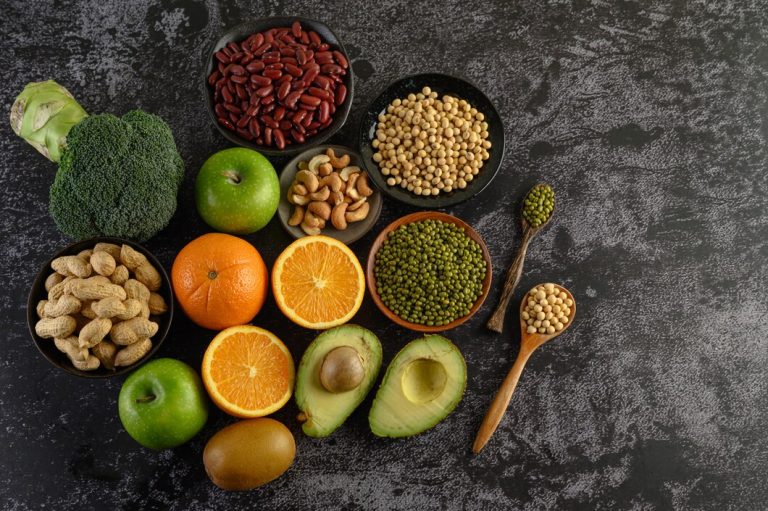
Nutrition timing is an often-overlooked part of healthy living, yet when and how often you eat can influence energy, digestion, sleep, blood sugar regulation, and overall metabolic health. The human body follows a natural circadian rhythm, a roughly 24-hour biological cycle that helps coordinate important processes throughout the day and night. Understanding meal timing and circadian rhythm can help explain why the same foods may affect the body differently depending on when they are consumed. From breakfast timing to dinner timing, your eating schedule interacts with your biological clock, metabolism, hormones, and sleep-wake cycle. Learning about circadian rhythm and eating can therefore be useful for anyone interested in developing a consistent and sustainable approach to nutrition.
What Is the Circadian Rhythm?
The circadian rhythm is the body’s internal timing system. It influences many functions, including the sleep-wake cycle, body temperature, hormone production, digestion, appetite, and metabolic activity. Although the biological clock is influenced by genetics, light exposure is one of its strongest environmental signals.
Morning light helps the body recognize the beginning of a new day, while darkness encourages biological processes associated with rest and sleep. Food can also act as a timing signal, particularly for metabolic tissues such as the liver and digestive system.
This is where biological clock and nutrition become closely connected. Regular eating patterns can provide predictable signals to the body, while irregular eating schedules may make it more difficult for certain physiological processes to remain synchronized.
The relationship between the circadian system and food is not simply about eating healthy foods. It also involves considering when those foods are consumed.
Why Meal Timing Matters
Many people focus almost entirely on what they eat. Nutrient quality, portion sizes, protein intake, fiber, vitamins, minerals, and overall calorie intake are certainly important. However, meal timing is another factor that can influence how the body processes food.
Research into chrononutrition—the study of the relationship between biological rhythms and eating patterns—has increased interest in how meal timing affects the body.
Your body’s ability to handle nutrients can change throughout the day. Factors such as insulin sensitivity, glucose regulation, digestive activity, and hormonal patterns follow daily rhythms. As a result, the body’s response to a meal may differ between daytime and nighttime.
This does not mean that eating after a certain hour automatically causes weight gain or poor health. Instead, it suggests that consistent eating patterns and alignment with the body’s natural rhythms may be relevant to long-term health.
The Relationship Between Circadian Rhythm and Nutrition
The relationship between circadian rhythm and nutrition works in both directions. Your biological clock can influence hunger, digestion, and metabolism, while your eating patterns can provide timing signals to metabolic organs.
The liver, pancreas, gastrointestinal tract, and other tissues contain biological clocks that help coordinate metabolic functions. When eating occurs consistently during the active portion of the day, these signals may remain better aligned with other circadian processes.
On the other hand, frequently eating at unusual times may create a mismatch between food-related signals and the central biological clock.
This is one reason researchers are interested in circadian nutrition, which considers food quality alongside eating time and daily biological rhythms.
How Meal Timing Affects Metabolism
One of the most important questions surrounding nutrition timing is how meal timing affects metabolism.
Food timing and metabolism are connected because digestion and nutrient processing are not completely constant throughout the 24-hour period. The body generally becomes more prepared for food during the active part of the day and shifts toward rest and maintenance during nighttime.
The relationship between meal timing and metabolism can involve:
- Glucose processing
- Insulin sensitivity
- Appetite regulation
- Energy expenditure
- Hormonal signals
- Digestion
- Fat metabolism
- Sleep quality
For example, insulin sensitivity often follows a daily rhythm, with the body generally handling glucose more effectively earlier in the day than late at night. This is one reason researchers continue to investigate whether earlier eating schedules may support meal timing for metabolic health.
However, metabolism is influenced by many factors, including physical activity, genetics, sleep, diet quality, stress, age, and total energy intake. Meal timing should therefore be viewed as one component of a broader lifestyle rather than a magic solution.
Eating According to Circadian Rhythm
Eating according to circadian rhythm generally means concentrating most food intake during the daytime and allowing a consistent period without food overnight.
This approach is sometimes described as eating in sync with your circadian rhythm.
A practical version may involve eating breakfast after waking, having lunch during the middle of the day, eating dinner several hours before bedtime, and maintaining an overnight fasting window.
The goal is not necessarily to follow a rigid clock. Instead, it is to establish an eating pattern that fits your natural daily schedule while avoiding frequent late-night meals.
An ideal meal schedule for circadian health will vary between individuals because work schedules, exercise routines, family commitments, cultural habits, and sleep times differ.
Breakfast Timing and the Start of the Day
Breakfast timing is often discussed in relation to circadian health because the first meal can provide an important nutritional signal after the overnight fasting period.
For people who eat breakfast, having it at a consistent time during the morning may help create a predictable daily eating pattern.
A balanced breakfast could include:
- Whole grains
- Fruit
- Vegetables
- Beans or lentils
- Nuts and seeds
- Soy foods
- Other protein-rich foods
The quality of breakfast remains important. Simply eating early does not automatically make a meal healthy.
For example, a nutrient-rich breakfast containing protein, fiber, and minimally processed carbohydrates may provide more sustained energy than a breakfast dominated by highly refined sugars.
The Importance of Dinner Timing
Dinner timing can be particularly relevant because late-night eating may occur close to the body’s natural transition toward sleep.
The question of how eating late affects circadian rhythm is still being studied, but late meals may interact with glucose regulation, digestion, appetite, and sleep in ways that differ from daytime eating.
Eating a large meal immediately before bed may also cause discomfort for some people, especially those prone to reflux or digestive symptoms.
A practical strategy is to finish dinner a few hours before bedtime when possible. This gives the body time to begin digestion before sleep and creates a natural overnight fasting period.
Again, this is not a universal rule. People who work night shifts or have different schedules may need a different approach.
How Meal Timing Affects Sleep and Energy
The connection between how meal timing affects sleep and energy is an important part of circadian nutrition.
Eating patterns can interact with sleep routines, while poor sleep can influence hunger and food choices. When people are sleep-deprived, they may experience stronger cravings, altered appetite, and a greater tendency to choose convenient energy-dense foods.
Large meals close to bedtime can also feel uncomfortable and may interfere with sleep for some individuals.
A consistent healthy eating schedule, combined with regular sleep and wake times, may help create stronger daily routines.
Better timing can also support more predictable energy levels. Rather than relying heavily on late-night snacks or irregular meals, spreading nutritious meals across the active portion of the day may provide a more consistent pattern of energy intake.
Time-Restricted Eating and Circadian Rhythm
Time-restricted eating is an eating pattern in which daily food intake occurs within a defined period, followed by a fasting period. For example, someone might consume meals within a 10- to 12-hour daytime window and avoid calories for the remaining hours.
The relationship between time-restricted eating and circadian rhythm has attracted considerable research interest.
Some approaches place the eating window earlier in the day to better align food intake with the body’s active phase. This differs from simply skipping breakfast and consuming most calories late in the day.
The potential benefits of circadian rhythm and intermittent fasting may depend on the timing, duration, food quality, and individual’s overall lifestyle.
Time-restricted eating is not automatically better simply because the fasting period is longer. A sustainable eating pattern that provides adequate nutrients is generally more useful than an extreme schedule that is difficult to maintain.
Potential Benefits of Eating According to Your Body Clock
The benefits of eating according to your body clock are an area of ongoing research. Potential advantages of maintaining a consistent daytime-oriented eating schedule may include supporting:
1. Metabolic Health
Consistent meal timing may complement other healthy habits that support metabolic health. Daytime eating may also coincide with periods when the body is better prepared to process nutrients.
2. Glucose Metabolism
Glucose metabolism follows daily patterns, and eating earlier rather than concentrating large meals late at night may support healthier glucose regulation in some circumstances.
3. Digestive Health
The digestive system is influenced by daily rhythms. Regular meals may help establish predictable digestive patterns, although individual responses vary.
4. Energy Levels
A structured eating schedule may make it easier to distribute calories and nutrients throughout the active portion of the day, potentially supporting steadier energy levels.
5. Sleep-Wake Cycle
Avoiding heavy meals immediately before bed may support comfortable sleep for some people and may fit more naturally with the body’s nighttime rest period.
6. Hormonal Balance
Hormones involved in hunger, glucose control, stress, and sleep follow complex daily patterns. Regular sleep and eating routines can support the broader system of daily regulation.
How Nutrition Timing Affects the Body
Understanding how nutrition timing affects the body requires looking beyond individual meals.
When you eat, nutrients influence hormones and metabolic pathways. Carbohydrates affect blood glucose and insulin, protein provides amino acids needed for tissue maintenance, and fats influence energy storage and other physiological functions.
These responses occur within the broader context of the body’s biological clock.
For example, a meal eaten during the active phase may be processed differently from a similar meal consumed during the biological night. This does not mean that the body stops digesting food at night. Rather, metabolic efficiency and hormonal responses can vary across the day.
The combination of food quality, quantity, frequency, and timing creates an overall eating pattern.
How Meal Timing Affects Your Circadian Rhythm
A common question is how meal timing affects your circadian rhythm.
Food serves as a timing cue for peripheral clocks throughout the body. Consistently eating during the daytime can help coordinate these metabolic clocks with the central circadian system.
In contrast, irregular meal schedules, frequent nighttime eating, or significant shifts between weekday and weekend schedules may contribute to circadian misalignment.
This does not mean that one late-night meal will disrupt your entire biological clock. Circadian health is influenced by repeated patterns over time.
Light exposure, sleep timing, physical activity, stress, and food timing all contribute to the body’s daily rhythm.
Meal Timing and Metabolic Health
Meal timing for metabolic health is most effective when combined with a nutrient-dense diet and healthy lifestyle.
Rather than obsessing over exact meal times, consider creating predictable routines.
For example:
- Eat meals at approximately consistent times.
- Prioritize nutritious foods during the active portion of the day.
- Avoid routinely consuming large meals immediately before sleep.
- Allow a reasonable overnight fasting period.
- Stay hydrated throughout the day.
- Include protein and fiber in meals.
- Maintain regular physical activity.
- Keep sleep and wake times reasonably consistent.
These habits can help connect nutrition with other components of circadian health.
Circadian Rhythm Diet: What Does It Mean?
The phrase circadian rhythm diet does not describe one standardized diet. Instead, it generally refers to an eating approach that considers the timing of food in relation to the body’s daily rhythm.
A circadian-oriented diet can still include a wide variety of foods. It does not require eliminating entire food groups.
A plant-forward eating pattern, for instance, can include vegetables, fruits, legumes, whole grains, nuts, seeds, and minimally processed protein sources while following a consistent daytime eating schedule.
The focus is primarily on aligning eating patterns with the active phase of the day rather than prescribing one specific menu.
What Is the Best Time to Eat for Circadian Rhythm?
People often ask about the best time to eat for circadian rhythm, but there is no single schedule that works for everyone.
A useful general principle is to consume most meals during daylight or the active part of your personal schedule and reduce food intake close to bedtime.
Someone who wakes at 6 a.m. and sleeps at 10 p.m. may naturally eat breakfast in the morning, lunch around midday, and dinner in the early evening.
Someone working a night shift may require a different strategy because their sleep-wake cycle is shifted.
Therefore, the best schedule should consider:
- Wake time
- Bedtime
- Work schedule
- Exercise timing
- Medication requirements
- Hunger patterns
- Social commitments
- Individual health needs
Consistency may be more practical than trying to follow a perfect universal timetable.
An Example of a Circadian-Friendly Eating Schedule
An example healthy eating schedule might look like this:
Morning: Breakfast after waking, emphasizing protein, fiber, and nutrient-rich foods.
Midday: Lunch as a substantial meal containing vegetables, whole grains or other high-fiber carbohydrates, and a protein source.
Afternoon: A small snack if needed, especially around physical activity or a long gap between meals.
Early evening: Dinner several hours before bedtime, focusing on balanced portions rather than a very large late meal.
Night: A consistent fasting window during sleep.
This is only an example, not a medical prescription. The appropriate schedule depends on individual circumstances.
Circadian Rhythm, Eating Patterns, and Lifestyle
Circadian nutrition should not be considered separately from sleep and lifestyle habits.
A person may follow a consistent meal schedule but have highly irregular sleep, minimal physical activity, and significant stress. In that situation, changing meal timing alone is unlikely to solve every health concern.
A stronger approach is to build a coordinated daily routine.
Try waking and sleeping at similar times, getting appropriate daytime light exposure, exercising regularly, eating balanced meals during the active part of the day, and limiting unnecessary nighttime eating.
Together, these habits can reinforce the body’s biological clock.
Does Eating Late Always Cause Problems?
No. It is important to avoid oversimplifying the science.
Eating late does not automatically cause poor health, and occasional late meals are a normal part of life. Social events, travel, celebrations, shift work, and personal schedules can all change meal times.
The concern is more about repeated patterns of eating that conflict with sleep or regularly place large amounts of food late in the biological night.
For people with demanding schedules, the goal should be a realistic pattern rather than perfection.
Meal Timing for Different Lifestyles
Different lifestyles require different approaches to meal timing.
For Early Risers
People who wake early may find it natural to eat breakfast relatively soon after waking and finish dinner earlier in the evening.
For Evening Workers
People who work late may need to distribute meals differently. Planning nutritious meals before and during work can reduce dependence on highly processed convenience foods.
For Night-Shift Workers
Night-shift workers face a unique challenge because their work schedule conflicts with natural circadian cues. Meal timing should be individualized, and people with health conditions should discuss significant dietary changes with a qualified healthcare professional.
For Active Individuals
Exercise can influence when someone feels hungry and when they need nutrients. A practical schedule should account for training demands rather than forcing all meals into an arbitrary timetable.
Simple Ways to Improve Nutrition Timing
You do not need to completely change your lifestyle overnight. Small adjustments can make a healthy eating schedule easier to maintain.
Start by identifying your normal wake and sleep times. Then look at when you typically eat.
Ask yourself:
- Do I regularly skip meals and become extremely hungry later?
- Do I eat most of my calories at night?
- Do I snack shortly before bed?
- Are my meal times consistent?
- Do I feel energetic after meals?
- Does late eating interfere with my sleep or digestion?
Once you identify your current pattern, make gradual changes.
For example, you might move dinner slightly earlier, establish a consistent breakfast routine, or reduce unnecessary late-night snacking.
The Future of Circadian Nutrition Research
Interest in circadian rhythm meal timing for better health continues to grow. Researchers are studying how eating schedules interact with obesity, diabetes, cardiovascular health, sleep, appetite regulation, and other areas of wellness.
Future research may help determine which timing strategies work best for different populations and whether personalized nutrition schedules can improve health outcomes.
Importantly, nutrition science is complex. Meal timing should not replace established healthy behaviors such as consuming a balanced diet, maintaining a healthy body weight when appropriate, exercising regularly, getting adequate sleep, and avoiding tobacco.
Final Thoughts
The connection between food and the body’s internal clock is becoming an increasingly interesting area of nutrition science. Meal timing and circadian rhythm influence one another, creating an important link between eating patterns, metabolism, sleep, digestion, and daily energy.
The concept of eating in sync with your circadian rhythm does not require a rigid diet or perfect schedule. A practical approach is to eat nutritious meals consistently during the active portion of the day, maintain a reasonable overnight fasting window, and avoid routinely consuming large meals immediately before sleep.
Understanding how meal timing affects the body can help you think about nutrition from a broader perspective. Food quality remains essential, but timing may also matter. By paying attention to breakfast timing, dinner timing, sleep, activity, and personal routines, you can create an eating pattern that supports your body’s natural rhythms.
Ultimately, the goal of nutrition timing for better metabolic health is not perfection. It is creating a sustainable routine that works with your lifestyle while supporting metabolic health, digestive health, stable energy levels, and a healthy relationship with food.
About the Author