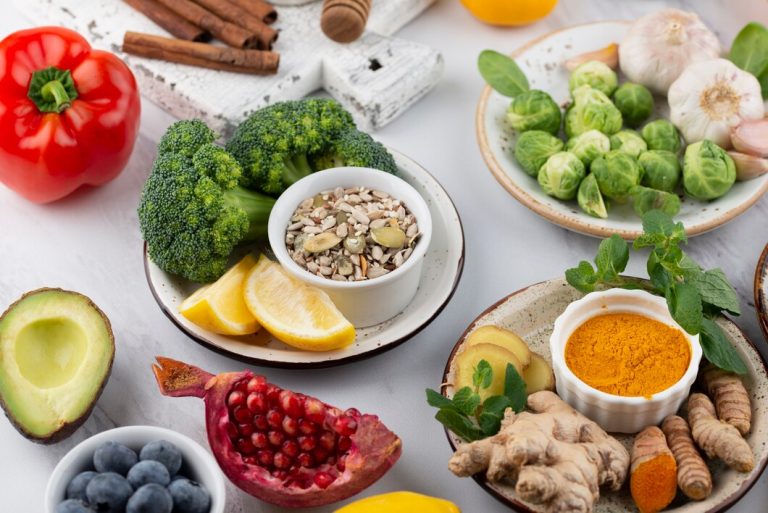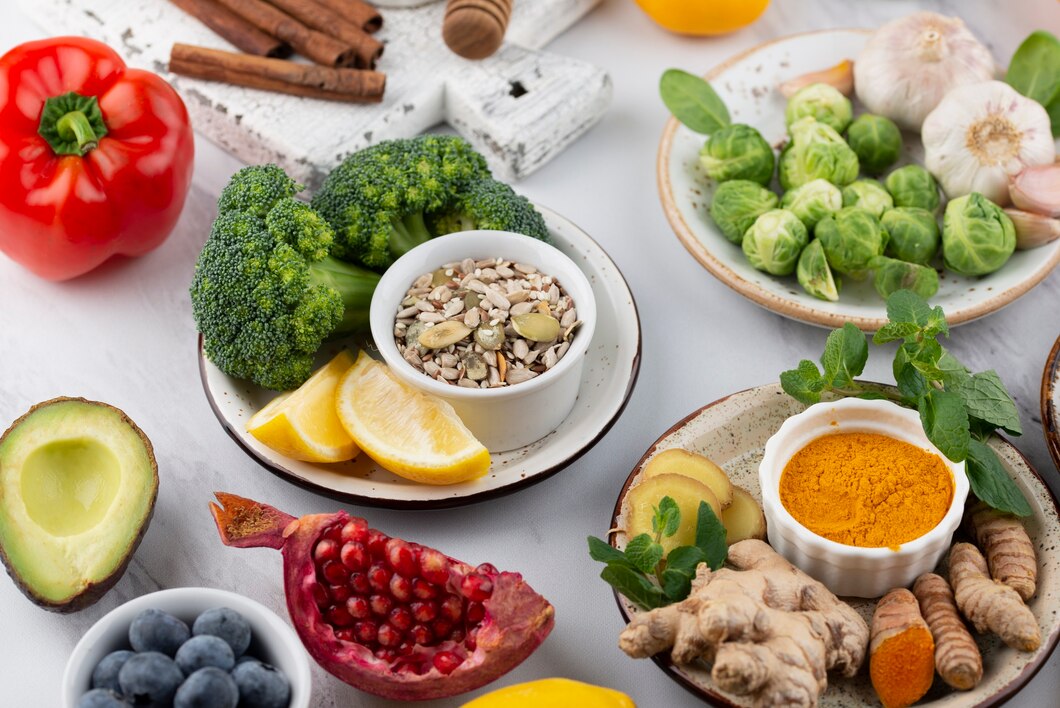
An anti-inflammatory diet for arthritis can be a practical way to support overall health while managing the nutritional needs associated with arthritis. Choosing nutritious foods for arthritis, especially foods rich in fiber, healthy fats, antioxidants, vitamins, and minerals, may help support the body’s normal inflammatory response. While no single food or eating pattern can cure arthritis, an appropriate arthritis diet can complement medical care and healthy lifestyle habits. Many people explore anti-inflammatory foods for arthritis because they want to understand which foods may support joint health, what foods should you eat for arthritis, and how everyday nutrition may fit into a broader approach to managing arthritis and inflammation.
What Is an Anti-Inflammatory Diet for Arthritis?
An anti-inflammatory eating pattern emphasizes whole and minimally processed foods while limiting foods that are heavily processed or high in added sugars, refined carbohydrates, and unhealthy fats.
For people with arthritis, the goal is not to follow a restrictive diet or depend on one “superfood.” Instead, an effective diet for arthritis focuses on building balanced meals that provide a variety of nutrients.
A typical anti-inflammatory eating pattern may include:
- Colorful fruits and vegetables
- Whole grains
- Beans and lentils
- Nuts and seeds
- Fatty fish
- Healthy plant-based oils
- Herbs and spices
- Fermented foods when tolerated
- Adequate water
These foods can provide nutrients that support general health and may be useful as part of a lifestyle focused on joint wellness.
How Diet Affects Arthritis Inflammation
Understanding how diet affects arthritis inflammation starts with recognizing that food is only one part of the picture. Arthritis can have different causes and forms, and inflammation varies between conditions and individuals.
A diet high in highly processed foods, excessive added sugars, and certain unhealthy fats may be less supportive of overall health than a diet centered around vegetables, fruits, whole grains, legumes, nuts, seeds, and other nutrient-dense foods.
On the other hand, eating a variety of foods that reduce inflammation can help provide antioxidants, fiber, unsaturated fats, and other nutrients needed for normal body functions.
This does not mean that eating a particular food will immediately eliminate joint discomfort. Rather, the overall pattern of eating may matter more than any individual ingredient.
Fatty Fish and Omega-3 Fats
Fatty fish are often included among the best anti-inflammatory foods for arthritis because they provide omega-3 fatty acids.
Examples include:
- Salmon
- Sardines
- Mackerel
- Trout
- Herring
Omega-3 fats are important components of a balanced diet and have been studied for their potential role in inflammatory processes.
If you eat fish, incorporating fatty fish into meals regularly can be one option for improving the nutritional quality of an arthritis diet.
For people who do not eat fish, plant foods such as chia seeds, flaxseeds, walnuts, and hemp seeds provide alpha-linolenic acid (ALA), a plant-based omega-3 fatty acid.
Colorful Vegetables for Joint Health
Vegetables are some of the most versatile anti-inflammatory foods to include in everyday meals. They provide fiber, vitamins, minerals, and plant compounds that contribute to overall health.
Try adding a range of colors rather than relying on only one vegetable.
Good options include:
- Spinach
- Kale
- Broccoli
- Cauliflower
- Bell peppers
- Carrots
- Tomatoes
- Beets
- Sweet potatoes
- Brussels sprouts
Leafy greens are particularly useful because they can be incorporated into salads, soups, stir-fries, wraps, and smoothies.
Eating different colored vegetables throughout the week is an easy strategy for increasing dietary variety.
Berries and Other Fruits
Fruits can also be valuable foods that help arthritis when included as part of a balanced eating pattern.
Berries such as blueberries, strawberries, raspberries, and blackberries contain naturally occurring plant compounds and provide fiber and vitamins.
Other nutritious choices include:
- Oranges
- Apples
- Cherries
- Pomegranates
- Kiwi
- Grapes
- Pears
Instead of relying on fruit juice, choose whole fruit more often. Whole fruit provides fiber and can be more filling.
Fruit can be added to oatmeal, yogurt, smoothies, salads, or eaten as a simple snack.
Extra-Virgin Olive Oil
Extra-virgin olive oil is another useful addition to an arthritis-friendly diet. It contains monounsaturated fat and naturally occurring plant compounds.
You can use olive oil as:
- A salad dressing
- A cooking oil
- A base for vegetable marinades
- A drizzle over roasted vegetables
- An ingredient in homemade sauces
Replacing some sources of saturated fat with unsaturated fats can be a useful part of a heart-healthy eating pattern.
Nuts and Seeds
Nuts and seeds are convenient foods for joint health because they provide healthy fats, protein, fiber, vitamins, and minerals.
Consider including:
- Walnuts
- Almonds
- Pistachios
- Chia seeds
- Flaxseeds
- Pumpkin seeds
- Sunflower seeds
- Hemp seeds
Walnuts and flaxseeds are particularly useful options for people looking to add plant-based omega-3 fats.
Because nuts and seeds are energy-dense, reasonable portions can make them easier to incorporate into a balanced diet without making meals excessively heavy.
Whole Grains
Whole grains can be an important part of nutrition for arthritis because they provide complex carbohydrates and dietary fiber.
Examples include:
- Oats
- Brown rice
- Quinoa
- Barley
- Whole-wheat bread
- Whole-grain pasta
- Buckwheat
- Millet
Replacing some refined grains with whole grains can increase fiber intake and improve the overall nutritional quality of meals.
For example, breakfast could include oatmeal with berries and walnuts, while lunch could feature a quinoa and vegetable bowl.
Beans, Lentils, and Other Legumes
Beans and lentils are excellent natural foods for arthritis because they provide plant-based protein, fiber, vitamins, and minerals.
Useful choices include:
- Chickpeas
- Black beans
- Kidney beans
- Lentils
- Green peas
- Black-eyed peas
- Soybeans
They can be added to soups, curries, salads, wraps, grain bowls, and vegetable dishes.
For people following a plant-based diet, legumes can also help provide protein without relying heavily on processed meat alternatives.
Tomatoes and Other Lycopene-Rich Foods
Tomatoes are easy to incorporate into many anti-inflammatory diet foods. They contain lycopene and other naturally occurring compounds.
Fresh tomatoes can be added to salads and sandwiches, while cooked tomatoes can be used in soups, sauces, curries, and vegetable dishes.
Other colorful fruits and vegetables can provide a broad range of plant compounds, so variety is more important than focusing on one nutrient.
Cruciferous Vegetables
Broccoli, cauliflower, cabbage, kale, and Brussels sprouts belong to the cruciferous vegetable family and can be valuable foods to support joint health.
These vegetables contain fiber, vitamins, minerals, and naturally occurring plant compounds.
Try roasting broccoli with olive oil, adding cabbage to stir-fries, using cauliflower in curries, or including kale in soups and salads.
A diet rich in different vegetables can make meals more satisfying while increasing overall nutrient intake.
Garlic, Ginger, and Turmeric
Herbs and spices can enhance the taste of meals naturally, reducing the need for excess salt, added sugar, or rich sauces.
Ginger and turmeric are commonly discussed among foods that may help reduce arthritis inflammation because they contain bioactive plant compounds that have been studied for their potential effects on inflammatory pathways.
Garlic, cinnamon, rosemary, oregano, and other herbs and spices can also make healthy meals more flavorful.
However, spices should be viewed as additions to an overall healthy diet rather than substitutes for medical treatment.
Green Tea
Green tea can be included as an optional beverage in a balanced healthy diet for arthritis. It contains polyphenols and other naturally occurring compounds.
If you enjoy green tea, it can be a useful alternative to sugar-sweetened beverages.
However, people who are sensitive to caffeine should consider their individual tolerance and avoid consuming caffeinated drinks close to bedtime if they interfere with sleep.
Fermented Foods
Some fermented foods may fit into an arthritis-friendly eating pattern, particularly when they are minimally processed and tolerated well.
Examples include:
- Plain yogurt with live cultures
- Kefir
- Sauerkraut
- Kimchi
- Certain fermented vegetables
These foods can contribute to dietary variety. However, some fermented products can be high in sodium or added sugar, so checking nutrition labels can be helpful.
Foods to Limit on an Arthritis Diet
Knowing which foods to limit can be just as useful as identifying the best foods for arthritis.
An anti-inflammatory eating pattern generally emphasizes reducing highly processed foods rather than creating a list of foods that everyone must completely avoid.
Foods worth limiting may include:
- Sugar-sweetened beverages
- Highly processed snack foods
- Excessively sugary desserts
- Refined grains
- Deep-fried foods
- Processed meats
- Foods high in trans fats
- Excessive alcohol
- Foods with large amounts of added sodium
These foods may be convenient, but regularly consuming large amounts can make it more difficult to maintain an overall nutrient-dense diet.
Processed Meat and Arthritis Nutrition
Processed meats such as certain sausages, bacon, and deli meats can be high in sodium and saturated fat. They may also contain other ingredients used during processing.
This does not mean that eating one serving automatically causes joint inflammation. Instead, people interested in the best diet for reducing arthritis inflammation may benefit from emphasizing more minimally processed protein sources.
Beans, lentils, fish, nuts, seeds, eggs, and poultry can provide alternatives depending on individual dietary preferences.
Added Sugar and Highly Processed Foods
Foods and drinks high in added sugars can make it easier to consume excess calories without providing many essential nutrients.
Examples include:
- Sugary soft drinks
- Sweetened energy drinks
- Candy
- Cakes
- Cookies
- Sweetened breakfast cereals
- Many packaged desserts
Reducing these foods can make room for more nutrient-rich foods that reduce joint inflammation, such as vegetables, fruits, legumes, and whole grains.
What About Dairy Products?
Dairy does not need to be automatically removed from an arthritis diet unless an individual has an allergy, intolerance, or another reason to avoid it.
Plain yogurt, milk, and other dairy products can provide protein and calcium. Fortified dairy alternatives can also be useful for people who avoid dairy.
The best choice depends on personal dietary needs, preferences, tolerance, and overall nutritional intake.
What About Nightshade Vegetables?
Some people with arthritis believe tomatoes, peppers, eggplant, or potatoes worsen their symptoms because these foods belong to the nightshade family.
There is not a universal reason for everyone with arthritis to eliminate nightshade vegetables. If you personally notice a consistent relationship between a particular food and your symptoms, keeping a food and symptom diary and discussing the pattern with a qualified healthcare professional or registered dietitian may be more useful than eliminating an entire food group without guidance.
Foods for Joint Pain: Can Food Relieve Discomfort?
People often search for foods for joint pain hoping to find something that works quickly. Nutrition can support overall health, but food should not be viewed as an instant pain reliever.
An anti-inflammatory eating pattern may be most useful when followed consistently over time as part of a broader lifestyle that includes appropriate medical care, physical activity, sleep, and weight management when appropriate.
If joint pain is persistent or severe, it is important to seek professional advice rather than attempting to manage symptoms through diet alone.
How to Build an Anti-Inflammatory Plate
One of the easiest ways to follow a diet to reduce arthritis inflammation is to build balanced meals instead of memorizing a long list of individual foods.
A simple plate might include:
Half the plate: vegetables and other plant foods
One-quarter: protein such as beans, lentils, fish, eggs, tofu, or poultry
One-quarter: whole grains or other nutrient-rich carbohydrates
Add a source of healthy fat, such as olive oil, nuts, seeds, or avocado.
This approach provides variety without making your diet unnecessarily complicated.
Anti-Inflammatory Meal Ideas for Arthritis
Creating anti-inflammatory meal ideas for arthritis can make healthy eating easier to maintain.
Breakfast
Try oatmeal topped with blueberries, chia seeds, walnuts, and cinnamon. This combination provides whole grains, fruit, fiber, healthy fats, and plant-based nutrients.
Another option is plain yogurt with berries, ground flaxseed, and a small portion of nuts.
Lunch
A colorful lunch could include a quinoa bowl with chickpeas, spinach, tomatoes, cucumber, carrots, avocado, and an olive-oil-based dressing.
A lentil and vegetable soup paired with whole-grain bread is another filling option.
Dinner
Consider baked salmon with roasted broccoli, sweet potatoes, and a leafy green salad.
For a plant-based option, try a lentil and vegetable curry served with brown rice or quinoa.
Snacks
Simple snacks can include:
- Fresh fruit
- A small handful of nuts
- Carrot or cucumber sticks with hummus
- Plain yogurt with berries
- Apple slices with nut butter
A Sample Day of Eating for Arthritis
A practical day of eating for arthritis relief might look like this:
Breakfast: Oatmeal with berries, ground flaxseed, walnuts, and cinnamon.
Mid-morning snack: An apple with a small amount of almond butter.
Lunch: Chickpea and quinoa salad with leafy greens, tomatoes, cucumber, carrots, and olive oil.
Afternoon snack: Plain yogurt or a fortified plant-based alternative with berries.
Dinner: Grilled or baked fish with roasted vegetables and brown rice.
Evening: Herbal tea and a small serving of fruit if desired.
This is only an example. Portion sizes and food choices should be adjusted according to individual nutritional requirements, dietary preferences, allergies, medical conditions, and activity levels.
Can an Anti-Inflammatory Diet Help Everyone With Arthritis?
There is no single diet that works identically for every person with arthritis. Arthritis includes several different conditions, and individual responses to food can vary.
For some people, dietary changes may be most helpful when they address overall diet quality, body weight, cardiovascular health, or other related health goals. For others, identifying food intolerances or nutritional deficiencies may be more relevant.
This makes an individualized approach particularly valuable.
If you have arthritis and want to make significant dietary changes, especially if you take medications or have another health condition, consider discussing your plan with a healthcare professional or registered dietitian.
Practical Tips for Following an Arthritis-Friendly Diet
Making gradual changes is often easier than completely changing your diet overnight.
Start by adding more vegetables to one meal each day. Replace refined grains with whole grains several times a week. Add nuts or seeds to breakfast. Include beans or lentils in meals. Choose water or unsweetened beverages more often.
You can also prepare meals at home more frequently. Home cooking gives you greater control over ingredients, portion sizes, added sugar, sodium, and cooking oils.
Another useful strategy is to focus on what you can add rather than what you need to eliminate.
Instead of thinking, “I cannot eat processed snacks,” think, “I can add fruit, nuts, or hummus to my snack options.” This approach can make dietary changes feel more sustainable.
The Importance of Overall Lifestyle
Food is only one piece of arthritis and inflammation management. A balanced diet is most effective when combined with other healthy lifestyle practices.
Depending on your individual condition and medical guidance, these may include:
- Appropriate physical activity
- Maintaining a healthy weight when appropriate
- Getting adequate sleep
- Managing stress
- Following prescribed treatments
- Staying hydrated
- Avoiding tobacco
- Keeping regular medical appointments
Combining these habits can provide a more comprehensive approach to joint and overall health.
Final Thoughts
So, what foods should you eat for arthritis? Start with a wide variety of whole, nutrient-dense foods rather than looking for one food that promises instant results. Fatty fish, colorful vegetables, berries, whole grains, beans, lentils, nuts, seeds, olive oil, herbs, and spices can all have a place in an anti-inflammatory diet for arthritis.
The best anti-inflammatory foods for arthritis are not necessarily exotic or expensive. Many are everyday ingredients that can be combined into simple, satisfying meals. A balanced diet for arthritis can provide fiber, healthy fats, vitamins, minerals, protein, and other nutrients that support overall well-being.
The key is consistency. Instead of searching for a single “arthritis food,” focus on building an eating pattern centered on anti-inflammatory foods, minimally processed ingredients, and plenty of plant-based variety. Limiting heavily processed foods and excess added sugar can further improve the overall quality of your diet.
Ultimately, how diet affects arthritis inflammation depends on the individual, the type of arthritis, overall health, and many factors beyond food. Nutrition should complement—not replace—appropriate medical care. With a balanced approach, thoughtful food choices, and professional guidance when needed, healthy eating can become an important part of supporting joint health and overall wellness.
About the Author