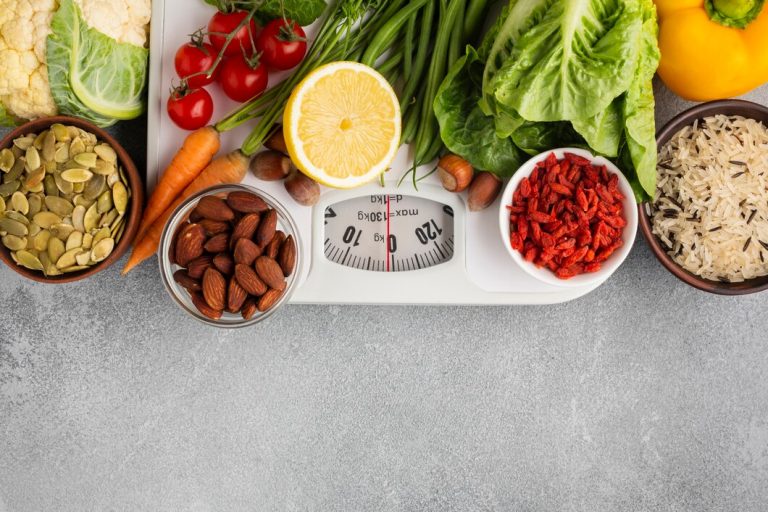
Nutrition for diabetes reversal focuses on making sustainable food choices that can support healthier blood glucose levels, improve overall metabolic health, and, for some people with type 2 diabetes, contribute to remission when combined with appropriate medical care and lifestyle changes. A well-planned diabetes reversal diet is not about eliminating every carbohydrate or following an extreme low sugar diet. Instead, it emphasizes nutritious foods, appropriate portions, regular meal patterns, physical activity, weight management when appropriate, and ongoing blood glucose monitoring. Understanding nutrition for diabetes can help people make practical choices that support blood sugar control while still allowing meals to be enjoyable and satisfying.
Understanding the Connection Between Nutrition and Diabetes
Food has a direct effect on blood glucose. Carbohydrates are converted into glucose during digestion, allowing the sugar to enter the bloodstream and serve as an important source of energy for the body. In people with diabetes, the body may not produce enough insulin, may not respond effectively to insulin, or may experience a combination of both problems. As a result, glucose can remain elevated in the bloodstream.
A diabetes-friendly diet can help reduce large blood sugar fluctuations by focusing on the quality, quantity, and combination of foods consumed. Rather than concentrating on one specific food or nutrient, a healthy diet for diabetes considers the overall eating pattern.
A useful approach is to combine fiber-rich carbohydrates with protein, healthy fats, and plenty of non-starchy vegetables. These combinations can slow digestion, increase fullness, and help support more stable glucose responses.
This is also an important part of understanding how nutrition helps reverse diabetes. For some people with type 2 diabetes, improvements in diet, physical activity, weight management, and other lifestyle factors can significantly improve metabolic health and may lead to remission. However, diabetes reversal is not guaranteed, and people should work with a qualified healthcare professional rather than stopping medication independently.
What Is a Diabetes Reversal Diet?
A diabetes reversal diet is best understood as a sustainable eating pattern designed to improve metabolic health rather than a temporary crash diet. It generally emphasizes minimally processed foods and appropriate portions while reducing excessive intake of refined carbohydrates, added sugars, and highly processed foods.
The specific approach should depend on an individual’s health status, medications, nutritional requirements, preferences, and goals.
A practical diabetes nutrition approach may include:
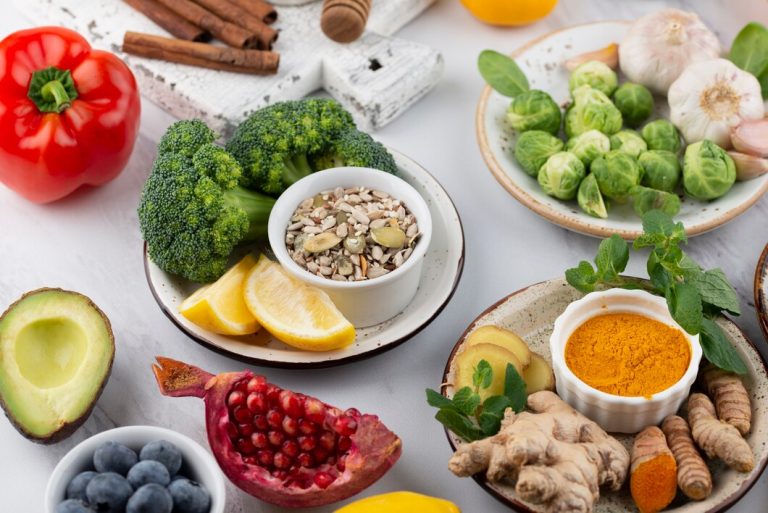
- Non-starchy vegetables such as spinach, broccoli, cauliflower, cucumber, and peppers
- Beans and legumes in suitable portions
- Whole grains and minimally processed carbohydrates
- Nuts and seeds
- Unsweetened dairy or fortified alternatives
- Lean protein sources
- Fish, eggs, tofu, or other suitable protein options
- Whole fruits in appropriate portions
- Healthy fats such as olive oil and avocado
- Plenty of water
The goal is not simply to eat less. It is to make each meal more nutritionally valuable.
The Role of Blood Sugar Control
Blood sugar control is one of the central goals of diabetes nutrition. Consistently elevated blood glucose can increase the risk of diabetes-related complications over time. At the same time, people using insulin or certain glucose-lowering medications may also be at risk of low blood glucose if they make major dietary changes without appropriate medication adjustments.
A diet for blood sugar control should therefore be personalized.
Meal timing, carbohydrate portions, physical activity, sleep, stress, medications, and individual insulin response can all influence blood glucose. Monitoring patterns can help people understand how specific meals affect them.
For example, someone may notice that a large serving of refined grains causes a greater glucose rise than a smaller portion of whole grains paired with vegetables and protein. These observations can help guide future meal choices.
High-Fiber Foods for Diabetes
High fiber foods for diabetes can be an important part of a balanced eating pattern. Dietary fiber is found in plant foods and is generally not digested in the same way as many rapidly absorbed carbohydrates.
Fiber-rich foods can support fullness and digestive health and may contribute to healthier blood glucose responses.
Good options include:
- Lentils
- Chickpeas
- Beans
- Oats
- Barley
- Chia seeds
- Flaxseeds
- Vegetables
- Berries
- Apples with the skin
- Pears with the skin
- Nuts and seeds
Increasing fiber gradually while drinking adequate fluids can make dietary changes easier to tolerate.
Choosing Low Glycemic Foods
Low glycemic foods can be useful when planning meals for diabetes. The glycemic index describes how quickly carbohydrate-containing foods tend to raise blood glucose compared with a reference food. However, glycemic index should not be the only factor used to evaluate a meal.
Portion size also matters. A food with a relatively low glycemic index can still contribute a significant amount of carbohydrate if consumed in a very large quantity.
Combining carbohydrate-containing foods with protein, fiber, and healthy fats can also influence the overall blood glucose response.
Examples of foods that can fit into a diabetes-friendly eating pattern include non-starchy vegetables, legumes, whole grains, nuts, seeds, and many whole fruits.
Best Foods for Diabetes Reversal
When people search for the best foods for diabetes reversal, it is important to avoid thinking about food as a cure. No single ingredient can reverse diabetes.
Instead, the most useful foods are those that contribute to an overall nutritious eating pattern.
1. Non-Starchy Vegetables
Vegetables such as leafy greens, broccoli, cauliflower, zucchini, mushrooms, tomatoes, cucumber, and bell peppers provide vitamins, minerals, and fiber while generally being relatively low in carbohydrates.
Including vegetables in meals can also add volume and help create satisfying portions.
2. Legumes
Beans, chickpeas, peas, and lentils provide a combination of carbohydrates, protein, and fiber. They can be especially useful as part of plant-forward meals.
Portions should still be considered because legumes contain carbohydrates, but their nutritional profile makes them a valuable choice for many people.
3. Whole Fruits
Fruit does not automatically need to be removed from a diabetes meal plan. Whole fruit provides fiber, vitamins, minerals, and naturally occurring sugars.
Rather than relying heavily on fruit juice, choosing whole fruit can make it easier to consume fiber and control portions.
4. Nuts and Seeds
Almonds, walnuts, chia seeds, flaxseeds, and pumpkin seeds provide healthy fats, protein, and other nutrients. Because they are energy-dense, moderate portions are generally appropriate.
5. Whole Grains
Oats, barley, quinoa, and other minimally processed whole grains can provide fiber and nutrients. The appropriate portion depends on individual carbohydrate requirements and glucose responses.
6. Protein-Rich Foods
Protein can help increase satiety and contribute to balanced meals. Depending on dietary preferences, options may include fish, eggs, poultry, tofu, unsweetened dairy products, beans, lentils, and other suitable sources.
Building Balanced Meals for Diabetes
Balanced meals for diabetes can be created using a simple plate-based approach. A commonly used method is to fill approximately half the plate with non-starchy vegetables, one quarter with a protein source, and one quarter with a carbohydrate-containing food.
This structure can make portion control easier without requiring complicated calculations at every meal.
For example, lunch could include:
- A large serving of mixed vegetables
- Grilled tofu, fish, chicken, or another suitable protein
- A moderate serving of brown rice, quinoa, or whole-grain roti
- Plain yogurt or another suitable side
- Water or an unsweetened beverage
The exact meal should be adjusted according to individual nutritional needs and medical guidance.
Creating a Diabetes Nutrition Plan
A diabetes nutrition plan should be practical enough to follow consistently. Instead of planning every meal from scratch, people can create a collection of simple meal combinations.
Breakfast might include oatmeal with chia seeds and berries, or eggs with vegetables and a suitable whole-grain option.
Lunch could include a vegetable-rich salad with chickpeas and a moderate serving of whole grains.
Dinner might combine roasted or steamed vegetables with tofu, fish, lean poultry, beans, or another protein source.
Snacks, if needed, can include a small portion of nuts, plain yogurt, or a whole piece of fruit.
A personalized nutrition plan for better blood sugar control should account for medication timing, activity levels, cultural food preferences, allergies, and individual glucose patterns.
Healthy Eating Habits for Diabetes
Healthy eating for diabetes involves more than choosing individual foods. Long-term habits can have a major impact on consistency.
Helpful healthy eating habits for diabetes include:
- Eating appropriate portions
- Including vegetables in most meals
- Choosing whole or minimally processed carbohydrates
- Eating adequate protein
- Prioritizing fiber-rich foods
- Limiting added sugars
- Drinking water regularly
- Reading nutrition labels
- Planning meals in advance
- Avoiding frequent overeating
- Monitoring blood glucose as recommended
- Maintaining regular physical activity
These habits can make a diabetes nutrition strategy easier to maintain over the long term.
Foods to Limit for Better Blood Glucose Management
A diabetes-friendly diet does not necessarily require completely banning foods. However, some foods are better limited because they can provide large amounts of rapidly absorbed carbohydrates, added sugars, sodium, or calories with relatively little nutritional value.
Examples include:
- Sugary soft drinks
- Sweetened juices
- Candy
- Cakes and pastries
- Highly refined cereals
- Sweetened desserts
- Large portions of white bread or refined grains
- Highly processed snack foods
- Sugar-heavy sauces and beverages
A low sugar diet should primarily focus on reducing added sugars rather than unnecessarily eliminating nutritious foods such as whole fruit.
Diet Tips for Managing Blood Sugar
Practical diet tips for managing blood sugar can make everyday decisions easier.
First, avoid relying on refined carbohydrates alone. Pairing carbohydrates with protein, fiber, or healthy fats can create a more balanced meal.
Second, pay attention to portions. Even nutritious foods can contribute to excessive carbohydrate or calorie intake when consumed in very large quantities.
Third, choose whole foods more often. Minimally processed foods generally provide more nutrients and fiber than many highly processed alternatives.
Fourth, be cautious with liquid calories. Sweetened drinks can deliver substantial amounts of sugar without creating the same fullness as solid foods.
Finally, learn from your own glucose patterns. If your healthcare team recommends glucose monitoring, recording meals alongside readings may help identify patterns.
What to Eat to Manage Diabetes
People often ask what to eat to manage diabetes. A simple answer is to prioritize foods that provide fiber, protein, micronutrients, and appropriate amounts of carbohydrates.
A meal could include vegetables, a protein source, a high-fiber carbohydrate, and a small amount of healthy fat.
For example, a plant-based meal could combine lentils, mixed vegetables, a moderate portion of brown rice, and a small serving of seeds. A non-vegetarian meal could combine grilled fish or chicken with vegetables and a suitable whole-grain carbohydrate.
The objective is balance rather than perfection.
Nutrition Strategies for Diabetes Management
Effective nutrition strategies for diabetes management should focus on sustainable improvements.
One strategy is carbohydrate awareness. Understanding which foods contain carbohydrates and estimating appropriate portions can help people make informed decisions.
Another is increasing dietary fiber gradually. Fiber-rich foods can contribute to fullness and digestive health.
A third strategy is improving food quality. Replacing heavily processed foods with vegetables, legumes, whole grains, nuts, seeds, and other nutrient-dense options can improve overall dietary quality.
Meal consistency may also help some people maintain predictable eating patterns, although the ideal schedule differs from person to person.
Insulin Sensitivity and Nutrition
Insulin sensitivity refers to how effectively the body’s cells respond to insulin. Poor insulin sensitivity, often called insulin resistance, is closely associated with type 2 diabetes.
Nutrition is one component of improving metabolic health. Regular physical activity, sufficient sleep, stress management, weight management when appropriate, and medication when prescribed can also play important roles.
There is no single food that dramatically improves insulin sensitivity on its own. Instead, an overall dietary pattern emphasizing minimally processed foods, fiber, appropriate portions, and adequate nutrition may support better metabolic health.
Blood Glucose Management Beyond Food
Blood glucose management involves more than diet. Physical activity can increase glucose uptake by muscles and improve insulin action. Adequate sleep and stress management can also support healthy metabolic regulation.
Medication adherence is particularly important for people who have been prescribed diabetes medication.
Anyone considering major dietary changes should discuss them with a doctor or registered dietitian, especially when using insulin or medicines that can cause hypoglycemia.
A Sample Diabetes Meal Plan
A simple diabetes meal plan might look like this:
Breakfast:
Vegetable omelet or tofu scramble with a moderate serving of whole-grain toast, plus unsweetened tea or coffee.
Mid-morning option:
A small portion of nuts or a whole piece of fruit.
Lunch:
A large vegetable salad with chickpeas or grilled protein, accompanied by a moderate portion of brown rice or another whole grain.
Afternoon option:
Plain unsweetened yogurt or a suitable protein-rich snack.
Dinner:
Steamed or roasted vegetables with lentils, tofu, fish, poultry, or another protein source, plus an appropriate carbohydrate portion.
Beverage:
Water or an unsweetened beverage.
This is only a general example. A personalized meal plan may need different portions and food choices based on a person’s health requirements.
Natural Ways to Improve Blood Sugar Control
There are several natural ways to improve blood sugar control, but these should complement—not replace—appropriate medical treatment.
Regular physical activity is one important strategy. Walking after meals, resistance training, and aerobic exercise may help improve glucose utilization.
Prioritizing sleep can also support metabolic health. Chronic sleep deprivation may negatively affect appetite regulation and glucose metabolism.
Stress management is another consideration. Techniques such as breathing exercises, mindfulness, relaxation activities, and enjoyable hobbies may help reduce stress.
Finally, maintaining consistent eating habits and limiting excessive intake of highly processed foods can support a healthier overall lifestyle.
Common Mistakes to Avoid
One common mistake is assuming that all carbohydrates are harmful. Many nutritious foods—including legumes, whole grains, vegetables, and fruit—contain carbohydrates and can fit into a diabetes-friendly eating pattern.
Another mistake is following an extremely restrictive diet. Severe restriction can make healthy eating difficult to sustain.
Some people also rely heavily on supplements or herbal products marketed for diabetes. These products should not be considered substitutes for evidence-based diabetes treatment.
Skipping prescribed medication because blood glucose has improved can also be dangerous. Medication changes should be made with professional guidance.
Making Diabetes Nutrition Sustainable
The most effective eating plan is usually one that can be followed consistently. A sustainable approach allows room for cultural foods, personal preferences, social occasions, and enjoyment.
Instead of changing everything overnight, start with manageable steps. Replace sugary beverages with water, add vegetables to one additional meal each day, increase fiber gradually, reduce oversized portions, and choose minimally processed foods more often.
Over time, these small improvements can become normal habits.
Final Thoughts
A thoughtful approach to nutrition for diabetes reversal can support better blood glucose control and overall metabolic health. A balanced diabetes reversal diet should emphasize vegetables, fiber-rich foods, appropriate carbohydrate portions, protein, healthy fats, and minimally processed foods rather than extreme restriction.
The foods for diabetes management that work best are not necessarily exotic or expensive. Everyday foods such as vegetables, beans, lentils, whole grains, nuts, seeds, whole fruits, and suitable protein sources can form the foundation of a nutritious eating pattern.
For people with type 2 diabetes, improving nutrition may contribute to significant improvements in metabolic health and, in some circumstances, remission. However, diabetes is an individual medical condition, and nutritional needs vary. Professional guidance is especially important when changing diet or medication.
Ultimately, the goal is not to find one perfect food or a quick solution. The goal is to develop sustainable diet tips for managing blood sugar, create balanced meals, understand personal glucose responses, and build long-term habits that support health. With appropriate medical care and consistent lifestyle changes, nutrition can become an important part of effective diabetes management and better blood sugar control.
About the Author